Connect with us

Economy

IMF Program Pakistan: Economic Reform and Market Impact

IMF Program Pakistan Latest Developments

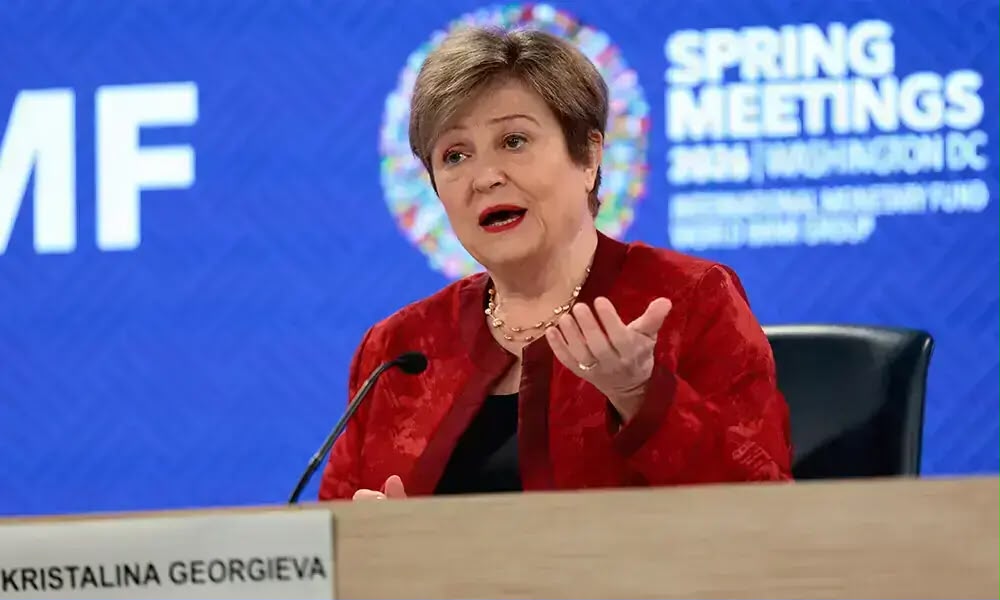
The IMF program Pakistan remains central to the country’s economic stabilization strategy. The International Monetary Fund’s review process focuses on fiscal discipline, structural reforms, and external account stability. Investors closely monitor each review outcome because IMF approvals unlock foreign funding and strengthen foreign exchange reserves. Recent discussions highlight progress in tax reforms, energy sector adjustments, and subsidy rationalization. A successful IMF review improves global confidence and supports currency stability. However, reform implementation remains critical to sustaining long-term macroeconomic health. Markets often react positively to confirmation of continued IMF support, particularly in equities and bond markets.

Why IMF Reviews Matter for Markets

IMF program progress directly influences financial markets and investor confidence. Key impacts include:

  • Strengthening foreign exchange reserves
  • Improving sovereign credit outlook
  • Stabilizing the rupee
  • Encouraging foreign portfolio inflows
  • Enhancing fiscal transparency

When IMF disbursements are confirmed, market volatility usually declines. A stable macroeconomic framework reduces uncertainty for businesses and international investors. However, delays or unmet conditions can increase market pressure. Therefore, policy continuity and reform credibility are essential for sustainable economic recovery.

Structural Reforms and Economic Discipline

The IMF emphasizes tax base expansion, energy sector efficiency, and public finance management reforms. These measures aim to reduce fiscal deficits and improve long-term economic resilience. Inflation control and revenue mobilization remain top priorities.

While reform measures can create short-term economic adjustments, they are designed to stabilize the economy over time. Investors typically respond favorably to disciplined fiscal policy. Strong governance signals improve Pakistan’s global financial standing and reduce borrowing costs in international markets.

Google Helpful Content Update & Economic Reporting Standards

Under Google’s Helpful Content and E-E-A-T framework, economic reporting must demonstrate expertise, reliability, and factual accuracy. To rank effectively for “IMF program Pakistan,” content should:

  • Reference official policy statements
  • Explain economic implications clearly
  • Avoid speculative or exaggerated claims
  • Provide balanced analysis

Financial content that connects IMF developments to currency stability, stock markets, and fiscal policy improves authority. Structured formatting enhances featured snippet potential and organic visibility.

Economic Outlook After IMF Review

Looking ahead, continued IMF engagement can provide macroeconomic stability and investor reassurance. If reform implementation remains consistent, Pakistan may attract higher foreign investment and strengthen its currency position. However, global economic conditions and commodity prices remain risk variables.

Businesses should prepare for gradual stabilization supported by disciplined fiscal management. Investors should monitor upcoming review schedules and reform milestones.

Stay connected to our ECONOMY section for real-time policy updates and expert financial insights.

Conclusion

The IMF program Pakistan plays a vital role in stabilizing the economy and restoring investor confidence. Sustainable reforms and fiscal discipline will determine long-term success.

Share on:
Continue Reading
Click to comment

Leave a Reply

Your email address will not be published. Required fields are marked *

SROs & Duty Updates

FTO Directs FBR to Provide Taxpayers Access to Assessment Records

Pakistan’s Federal Tax Ombudsman has ordered the Federal Board of Revenue to provide taxpayers with access to documents related to their sales tax assessment proceedings, reinforcing transparency and procedural fairness in the country’s tax administration system. The ruling affirms that taxpayers have the legal right to obtain copies of official documents connected to their tax cases, including order sheets that document hearings and procedural developments. The decision clarifies the obligations of tax authorities under the Sales Tax Act 1990 and constitutional principles of due process, ensuring that taxpayers can access records necessary to understand and challenge assessments made by revenue officials. The directive is expected to strengthen accountability within the tax system and improve compliance procedures across FBR field offices.

Ombudsman Clarifies Scope of Taxpayer Access to Records

The ruling was issued by Federal Tax Ombudsman Zafar-ul-Haq Hijazi after reviewing a complaint related to the denial of access to assessment documents. According to the order, taxpayers are legally entitled to receive copies of documents directly connected to their tax proceedings. These include assessment orders, hearing notices, responses submitted by taxpayers, and order sheets that record the procedural history of a case.

Order sheets are particularly important because they provide a chronological record of the proceedings conducted during a tax assessment. These documents typically contain details about hearing dates, adjournments, arguments presented by both parties, and references to relevant legal provisions or case laws. Access to such records enables taxpayers to fully understand the basis of tax decisions and prepare their legal defense when disputes arise.

The ombudsman emphasized that withholding documents directly related to a taxpayer’s case undermines transparency and may violate legal rights guaranteed under existing tax laws. Ensuring access to these records is essential for maintaining fairness in the tax administration process.

Internal Consultations Within FBR Remain Confidential

While affirming the taxpayer’s right to obtain official case documents, the ruling also clarified that certain internal records within the Federal Board of Revenue remain confidential. Internal notes reflecting consultations, discussions, or exchanges of opinion among tax officials within FBR field offices are not considered part of the official case record that must be shared with taxpayers.

These internal communications are part of the administrative decision-making process and are therefore protected from disclosure. The distinction between official documents and internal deliberations ensures that tax officials can conduct internal consultations while still maintaining transparency in formal proceedings.

The ombudsman explained that only documents directly linked to the taxpayer’s case must be provided upon request. Such records include statutory notices, assessment orders, written submissions by the taxpayer, and order sheet entries documenting proceedings related to the case.

This clarification provides guidance to tax authorities on how to balance administrative confidentiality with the legal requirement to provide relevant case records to taxpayers.

Case Filed by Foreign-Based Company

The complaint that led to the ruling was filed by a foreign-based company that alleged the tax authorities had failed to provide copies of statutory notices and order sheets related to a sales tax assessment. According to the complaint, the taxpayer’s authorized representative submitted a written request for these documents on October 27, 2025.

Despite the request, the company reportedly did not receive the requested records from the relevant FBR field office. The lack of response prompted the taxpayer to approach the Federal Tax Ombudsman seeking intervention.

FBR officials initially argued that the matter should not be examined by the ombudsman because the tax assessment case was already pending before the Appellate Tribunal Inland Revenue. However, the ombudsman rejected this objection and clarified that the complaint related only to the non-provision of documents rather than the merits of the tax assessment itself.

The ruling stated that denying access to relevant records prevents taxpayers from properly defending their position in legal proceedings and undermines transparency within the tax system.

Court Precedent Supports Document Access

In reaching its decision, the Federal Tax Ombudsman also referred to a precedent set by the Islamabad High Court in the case of “Sprint Oil vs the FTO.” In that case, the court directed tax authorities to provide assessment-related documents to the petitioner within seven days.

The reference to this court ruling reinforced the legal basis for granting taxpayers access to case documents. Judicial precedents play an important role in shaping administrative practices and ensuring that government agencies comply with established legal principles.

By citing this precedent, the ombudsman underscored that access to assessment records is not merely an administrative practice but a legal requirement supported by judicial interpretation of tax laws.

FBR Ordered to Provide Documents Within 15 Days

Following its review of the complaint, the Federal Tax Ombudsman concluded that the failure to provide the requested documents constituted maladministration under the Federal Tax Ombudsman Ordinance 2000. The ruling therefore directed the Federal Board of Revenue to instruct the concerned Commissioner Inland Revenue to provide the relevant assessment records to the complainant.

According to the order, the required documents must be provided within 15 days of receiving the directive. This timeline aims to ensure that taxpayers receive the necessary records promptly so they can continue legal proceedings without unnecessary delays.

The decision highlights the ombudsman’s role in addressing complaints related to administrative practices within tax authorities and ensuring that taxpayer rights are protected under Pakistan’s legal framework.

Outlook

The ruling reinforces transparency in Pakistan’s tax administration system by affirming taxpayers’ rights to obtain assessment-related documents. The directive may encourage stronger compliance procedures within the Federal Board of Revenue and improve accountability in handling tax disputes.

Share on:
Continue Reading

SROs & Duty Updates

Pakistan Raises Fuel Prices by Rs55 per Liter as Oil Surge Forces Policy Adjustment

Pakistan has sharply increased petrol and diesel prices by Rs55 per liter following a surge in global oil prices triggered by escalating tensions in the Middle East. The price adjustment comes as international energy markets experience significant volatility due to geopolitical conflict affecting major oil producing regions. Government officials said the increase was necessary to maintain fuel supply stability and manage the rising cost of imported petroleum products. Pakistan, which depends heavily on imported fuel, faces immediate economic pressure whenever global crude prices rise. The government’s decision reflects a regulatory adjustment in petroleum pricing and levy structure aimed at keeping the domestic energy supply system financially sustainable during a period of global energy disruption.

Global Oil Price Surge Triggers Domestic Price Adjustment

The sharp increase in Pakistan’s fuel prices follows a dramatic rise in global crude oil markets. International energy prices surged after coordinated military strikes involving the United States, Israel, and Iran intensified geopolitical tensions in the Middle East. Traders reacted quickly to fears that the conflict could disrupt energy infrastructure and shipping routes across the region.

Brent crude oil prices climbed from roughly $78 per barrel at the beginning of March to around $106.8 per barrel within days. Diesel prices in international markets also increased significantly, reaching approximately $150 per barrel. The rapid escalation in global prices forced several energy importing countries to review domestic fuel pricing policies.

Pakistan’s government announced the fuel price increase during a joint press conference attended by Finance Minister Muhammad Aurangzeb, Deputy Prime Minister Ishaq Dar, and Petroleum Minister Ali Pervaiz Malik. Officials explained that the price adjustment was necessary to reflect the higher cost of imported petroleum products and to maintain stable fuel supply in domestic markets.

The decision involved a minor adjustment in the petroleum levy component within the fuel pricing structure. Petroleum levies are commonly used by the government as a fiscal tool to manage fuel pricing while maintaining revenue collection for public finances.

Government Says Energy Supplies Remain Stable

Despite the price increase, authorities emphasized that Pakistan currently maintains adequate fuel stocks to manage the ongoing energy crisis. Petroleum Minister Ali Pervaiz Malik said the country entered the current situation with relatively comfortable energy reserves due to earlier planning and supply arrangements.

The government has also taken steps to ensure that fuel imports continue without disruption. Officials confirmed that Pakistan is working with international energy partners to secure additional crude oil supplies. Arrangements with Saudi Aramco and the use of Pakistan National Shipping Corporation vessels are being utilized to facilitate the transportation of imported petroleum.

Ensuring stable fuel supply is critical for Pakistan’s economy because diesel and petrol are widely used across multiple sectors including transportation, agriculture, and industrial production. Any disruption in fuel availability could have severe consequences for economic activity and supply chains.

Authorities have also warned that strict action will be taken against hoarding or illegal storage of petroleum products. Officials said enforcement agencies will monitor fuel distribution closely to prevent market manipulation during the crisis.

Economic Impact of Rising Fuel Costs

Higher fuel prices are expected to affect several sectors of Pakistan’s economy. Diesel plays a particularly important role in agriculture and transportation, making it a key component of production costs across the country. When diesel prices rise, transportation expenses increase, which can lead to higher prices for food and other essential goods.

Petrol price increases also affect household budgets by raising commuting and mobility costs for consumers. The timing of the price increase has drawn attention because it coincides with Ramadan, a period when household spending typically increases.

Economic analysts warn that rising fuel costs could trigger renewed inflationary pressure in the coming months. Energy prices often act as a transmission channel for inflation because they influence transportation, electricity generation, and logistics costs.

Pakistan has recently experienced a period of declining inflation after several years of economic stabilization policies. However, external shocks such as rising global oil prices can quickly reverse these trends if the increases persist.

Government Monitoring Global Energy Markets

To respond to the rapidly evolving energy situation, the government has established a high level committee to monitor developments in international oil markets. The committee includes senior government officials, the governor of the State Bank of Pakistan, and other economic policymakers.

Finance Minister Muhammad Aurangzeb said the committee is meeting regularly to evaluate the short term and long term implications of the crisis for Pakistan’s economy. Discussions are focusing on potential effects on inflation, foreign exchange reserves, and overall economic stability.

Deputy Prime Minister Ishaq Dar noted that the regional conflict has significantly disrupted global energy markets, pushing international petroleum prices higher by as much as 50 to 70 percent within a short period.

The government is also engaging in diplomatic efforts aimed at reducing tensions in the region. Stabilizing geopolitical conditions could help restore normal functioning in global energy markets and reduce pressure on importing countries.

Outlook

Pakistan’s decision to increase fuel prices highlights the country’s exposure to global oil market volatility and the importance of regulatory adjustments in fuel pricing. As the Middle East conflict continues to influence energy markets, policymakers may need to rely on further petroleum levy adjustments and supply management measures to protect the country’s energy security.

Share on:
Continue Reading

SROs & Duty Updates

Auto Industry Calls for Sales Tax Reduction to 18 Percent

Pakistan’s automobile industry has urged the government to reduce the current sales tax rate on vehicles from 25 percent to 18 percent in the upcoming policy cycle, arguing that high taxation is placing significant pressure on the sector. Industry stakeholders believe that the current tax structure has made vehicles increasingly expensive for consumers, leading to declining sales and slowing production across the automotive market. Representatives from the auto sector have formally approached government authorities with their proposal, emphasizing that lowering the tax rate could help revive demand and stimulate economic activity in the industry. The request comes at a time when Pakistan’s automotive market is already facing multiple challenges including rising production costs, weaker consumer purchasing power, and economic uncertainty.

Industry Highlights Impact of High Sales Tax

Automobile manufacturers and industry representatives argue that the existing 25 percent sales tax has significantly increased the cost of vehicles in the domestic market. Higher taxation directly affects retail prices, making cars less affordable for consumers and discouraging potential buyers from entering the market.

Industry stakeholders say that the tax burden has contributed to declining sales volumes in recent months. When vehicle prices rise due to higher taxes, many consumers postpone purchases or shift toward the used car market instead of buying new vehicles. This trend reduces demand for locally manufactured vehicles and affects production levels across the sector.

Manufacturers have warned that continued pressure on sales could lead to further slowdowns in production activity. The automotive industry supports a wide network of suppliers, dealerships, and service providers, meaning that declining sales can have ripple effects across multiple sectors of the economy.

Industry representatives believe that reducing the sales tax rate would help stabilize vehicle prices and encourage consumers to return to the market.

Proposal to Reduce Sales Tax to 18 Percent

The auto sector has proposed lowering the sales tax rate to 18 percent, which industry experts consider a more sustainable level for the market. The proposed reduction aims to align the tax rate on vehicles with the standard sales tax applied to many other goods and services in Pakistan.

A lower tax rate could make vehicles more affordable and stimulate consumer demand. Industry stakeholders argue that increased sales volumes could offset some of the government’s revenue loss from the tax reduction by expanding the overall tax base.

Automobile manufacturers say that improved market conditions could also encourage new investment in local production facilities and supply chains. Higher production levels would support employment in the automotive sector and related industries such as parts manufacturing and logistics.

Industry leaders maintain that reducing the sales tax would not only benefit manufacturers but also help consumers who have been struggling with rising vehicle prices and broader inflationary pressures.

Policy Discussions Ahead of Next Fiscal Cycle

Sources indicate that the proposal submitted by the auto industry is currently under consideration as part of discussions for the upcoming policy cycle. Government authorities are reviewing various fiscal measures that could influence industrial activity and economic growth.

Changes in sales tax rates typically require approval through official government notifications issued by the Federal Board of Revenue. If the government decides to reduce the tax rate, the adjustment would likely be implemented through a regulatory order outlining the revised taxation structure for vehicles.

However, policymakers must balance industry demands with fiscal considerations. Sales tax revenues represent an important source of government income, and any reduction in tax rates may affect revenue collection unless it is offset by increased economic activity or alternative fiscal measures.

Officials have not yet issued any formal statement confirming whether the proposed tax reduction will be included in upcoming fiscal policies.

Economic Impact on Consumers and Industry

Reducing the sales tax rate on vehicles could have several economic implications for both consumers and the automotive industry. Lower taxes would reduce the final retail price of vehicles, potentially making car ownership more accessible for middle income households.

Improved affordability could stimulate demand and lead to higher sales volumes across the market. Increased production activity would benefit local manufacturers and strengthen Pakistan’s automotive supply chain.

At the same time, stronger vehicle sales could generate additional economic activity through financing services, insurance, and after sales maintenance. These supporting industries play an important role in the broader economic ecosystem linked to automobile manufacturing.

Industry representatives argue that a balanced tax structure is essential for maintaining the long term health of the automotive sector and ensuring sustainable growth.

Outlook

The auto sector’s request for a reduction in sales tax highlights growing concerns about high taxation and its impact on vehicle demand. As policymakers review fiscal options for the next policy cycle, the government’s decision on vehicle sales tax could play an important role in shaping the future direction of Pakistan’s automotive market.

Share on:
Continue Reading

Trending