Ultra-long-haul flights are becoming an increasingly important part of modern aviation as airlines expand their networks to connect distant cities without the need for stopovers. These flights, often lasting more than 16 hours, allow passengers to travel directly between continents, reducing total travel time and improving convenience for both business and leisure travelers. Advances in aircraft technology, fuel efficiency, and flight planning systems have made it possible for airlines to operate routes that were previously considered impractical. In 2026, the rise of ultra-long-haul travel reflects a growing demand for direct international connectivity between major global hubs.
One of the main factors driving the growth of ultra-long-haul flights is the development of new-generation aircraft designed for extended range and improved fuel efficiency. Modern wide-body aircraft are capable of flying longer distances while consuming less fuel than earlier models. These aircraft feature advanced aerodynamics, lightweight composite materials, and highly efficient engines that allow airlines to operate non-stop flights across vast distances. The introduction of such aircraft has enabled airlines to connect cities that previously required multiple connecting flights, significantly improving travel convenience for passengers.
Passenger demand for direct flights is another key factor behind the expansion of ultra-long-haul routes. Many travelers prefer non-stop journeys because they eliminate the need for transit connections, reducing travel stress and the risk of delays or missed flights. For business travelers in particular, time efficiency is a major advantage, allowing them to reach destinations more quickly and maximize productivity. Airlines are responding to this demand by launching new non-stop routes between major economic centers across North America, Europe, Asia, and the Middle East.
Operating ultra-long-haul flights also requires careful attention to passenger comfort and cabin design. Since these flights involve extended travel times, airlines are investing in improved seating, enhanced cabin environments, and advanced in-flight services to make long journeys more comfortable. Many aircraft used on ultra-long-haul routes feature improved air filtration systems, optimized cabin humidity levels, and lighting designed to reduce jet lag. Premium cabins with lie-flat seats and spacious seating arrangements are particularly important for passengers traveling on long routes.
Flight operations and route planning are also becoming more sophisticated as airlines manage the challenges of long-distance travel. Pilots, crew scheduling, and fuel management must be carefully coordinated to ensure safe and efficient flights. Airlines use advanced data analysis and weather monitoring systems to optimize flight paths and reduce fuel consumption during long journeys. These technologies help airlines maintain operational efficiency while meeting safety regulations and passenger expectations.
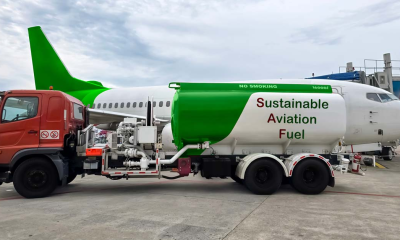
Despite the advantages of ultra-long-haul travel, airlines must also consider environmental concerns associated with long-distance flights. The aviation industry faces increasing pressure to reduce carbon emissions as global travel demand grows. Airlines are exploring ways to make ultra-long-haul operations more sustainable through the use of fuel-efficient aircraft, optimized flight routes, and the adoption of sustainable aviation fuels. These efforts aim to balance the benefits of global connectivity with the need for environmentally responsible aviation practices.
Looking ahead, the rise of ultra-long-haul flights is expected to continue as technology advances and global travel demand expands. New aircraft designs with even greater range and efficiency could enable airlines to introduce additional direct routes connecting distant regions of the world. For passengers, these developments promise faster and more convenient international travel, further strengthening the role of aviation in connecting global economies and cultures.













 Artificial Intelligence4 months ago
 Football3 months ago
 Latest News7 months ago
 Latest News7 months ago
 Football3 months ago
 Latest News7 months ago
 Latest News7 months ago
 Latest News7 months ago