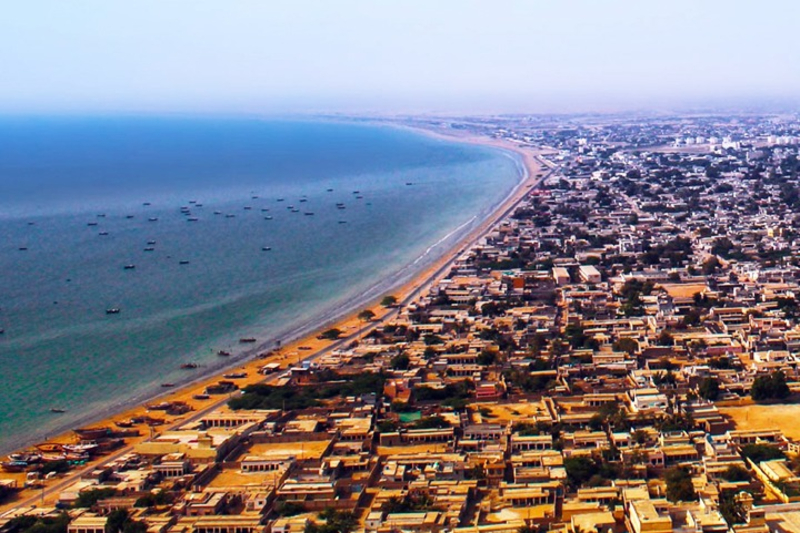
The Gwadar Development Authority has approved its annual budget for the fiscal year 2025-26, marking an important step toward accelerating development projects and improving urban services in Pakistan’s strategic coastal city. The decision was finalized during the 31st Governing Body meeting chaired by Balochistan Chief Minister Mir Sarfraz Bugti, where officials reviewed infrastructure priorities and discussed measures to strengthen the city’s long term growth. Gwadar has become increasingly important for Pakistan’s economic future due to its role as a major port and regional trade hub, making development spending a central focus of local governance. The newly approved budget is expected to support key infrastructure initiatives including water supply improvements, sanitation systems, road upgrades, and urban planning projects designed to accommodate the city’s expanding population and economic activity.
Budget Focus on Infrastructure and Water Supply Expansion
One of the main priorities identified during the meeting was improving Gwadar’s water supply system, which has remained a critical challenge for the city for several years. Officials agreed to consolidate grants allocated for the Gwadar water project to ensure better coordination and efficient use of development funds. This move aims to strengthen the financial structure of water infrastructure projects and allow authorities to manage resources more effectively.
Gwadar’s rapid growth has increased demand for reliable water supply as residential areas expand and commercial activities linked to port operations continue to grow. Without sufficient water infrastructure, urban development can face significant obstacles that affect both living conditions and economic progress. The governing body therefore directed officials to explore additional water resources that could help meet the city’s future demand.
Authorities also emphasized the importance of building a sustainable water supply framework that can support Gwadar’s long term expansion. By investing in infrastructure projects aimed at improving water storage, treatment, and distribution, the Gwadar Development Authority intends to reduce shortages and ensure that residents and businesses have access to reliable water services.
Current Water Sources Supporting Gwadar’s Needs
Officials highlighted recent improvements in water availability following rainfall that restored water levels at Sod Dam, one of the main water sources supplying Gwadar. The replenishment of the dam has helped improve water supply conditions in the city in recent weeks, offering temporary relief to residents and local authorities managing the distribution network.
In addition to Sod Dam, Gwadar receives water from the Shadi Kaur Dam and a desalination plant operated by the Gwadar Port Authority. These sources together form the backbone of the city’s water supply system. However, officials acknowledged that as the population grows and industrial activity expands, existing infrastructure may not be sufficient to meet long term demand.
The budget approved for fiscal year 2025-26 therefore includes provisions aimed at strengthening the water supply system and exploring new solutions to address future shortages. Infrastructure upgrades and strategic planning are expected to play a major role in ensuring sustainable water management in the coastal region.
New Development Projects Planned for the City
Apart from water supply improvements, the Gwadar Development Authority also approved plans to conduct feasibility studies for several new infrastructure projects. These studies will evaluate the practicality and cost effectiveness of development initiatives aimed at improving the city’s urban infrastructure.
Proposed projects include drainage system improvements, expansion of sewerage networks, road paving, and street development in several low lying areas of Gwadar that require better infrastructure. These initiatives are expected to enhance living conditions for residents and reduce urban challenges such as flooding, sanitation issues, and poor road connectivity.
Feasibility reports are considered an essential step in planning large scale development projects because they provide detailed assessments of technical requirements, financial costs, and potential economic benefits. By conducting thorough evaluations before launching projects, authorities can ensure that development investments deliver long term value for the city.
Improving drainage and sewerage systems will be particularly important as Gwadar continues to grow. Efficient sanitation infrastructure helps maintain public health, prevent environmental damage, and support sustainable urban expansion. Similarly, upgrading roads and street networks can improve transportation within the city and facilitate economic activity linked to the port.
Development Budget and Economic Impact
The Gwadar Development Authority’s fiscal budget carries significant economic implications because the city plays a strategic role in Pakistan’s regional trade and connectivity plans. Infrastructure investments in Gwadar are widely viewed as essential for transforming the port city into a modern commercial hub capable of supporting international shipping, logistics operations, and industrial development.
Development spending also contributes to local economic growth by generating employment opportunities in sectors such as construction, engineering, and urban services. As infrastructure projects progress, they can stimulate business activity and encourage further investment in the region.
Government officials believe that improving urban infrastructure will not only enhance the quality of life for Gwadar’s residents but also strengthen the city’s position as an important gateway for regional trade. Reliable water supply, efficient sanitation systems, and improved transportation networks are critical factors that influence the success of any rapidly developing urban center.
Outlook
The approval of the Gwadar Development Authority’s budget for fiscal year 2025-26 highlights the government’s commitment to strengthening infrastructure and supporting the city’s growth. Continued investment in water supply systems, sanitation projects, and urban development initiatives will play a crucial role in shaping Gwadar’s transformation into a major coastal economic hub.




 Artificial Intelligence4 months ago
 Football3 months ago
 Latest News7 months ago
 Latest News7 months ago
 Football3 months ago
 Latest News7 months ago
 Latest News7 months ago
 Latest News7 months ago