South Asia’s energy policy divide has become more visible as rising global oil prices force governments to respond in different ways. Pakistan has increased petrol prices sharply after global crude prices surged amid escalating geopolitical tensions involving the United States and Iran. India, however, has chosen to maintain stable retail fuel prices by relying on strategic reserves and diversified crude supply sources. The contrasting policy responses highlight differences in fiscal flexibility, energy security planning, and the influence of international financial commitments. While Pakistan has implemented a full pass through of higher oil prices due to fiscal constraints linked to its International Monetary Fund program, India has opted to shield consumers temporarily by absorbing short term costs through state run energy companies.
Global Oil Prices Drive Regional Policy Differences
Global energy markets have become increasingly volatile as geopolitical tensions in the Middle East push crude oil prices higher. Brent crude has climbed above the 100 dollar per barrel level as supply risks intensify following tensions around Iran and potential disruptions in shipping routes near the Strait of Hormuz. These developments have forced energy importing countries across Asia to reconsider their fuel pricing strategies.
For Pakistan, the surge in global crude prices has translated directly into higher retail fuel costs. The government recently announced a record increase of about 55 Pakistani rupees per litre in petrol prices, pushing the retail rate to around PKR 321.17 per litre. Officials described the decision as unavoidable given the sharp rise in international oil prices and the country’s limited fiscal space.
India’s approach has been different. Retail petrol prices in India have remained stable, with fuel selling at roughly INR 94.77 per litre in the capital city of Delhi. Indian authorities have chosen to delay price increases in order to protect consumers and maintain economic stability during the current energy shock.
These contrasting responses illustrate how economic policy choices can diverge significantly even among neighboring economies facing similar external pressures.
IMF Conditions Shape Pakistan’s Fuel Pricing Policy
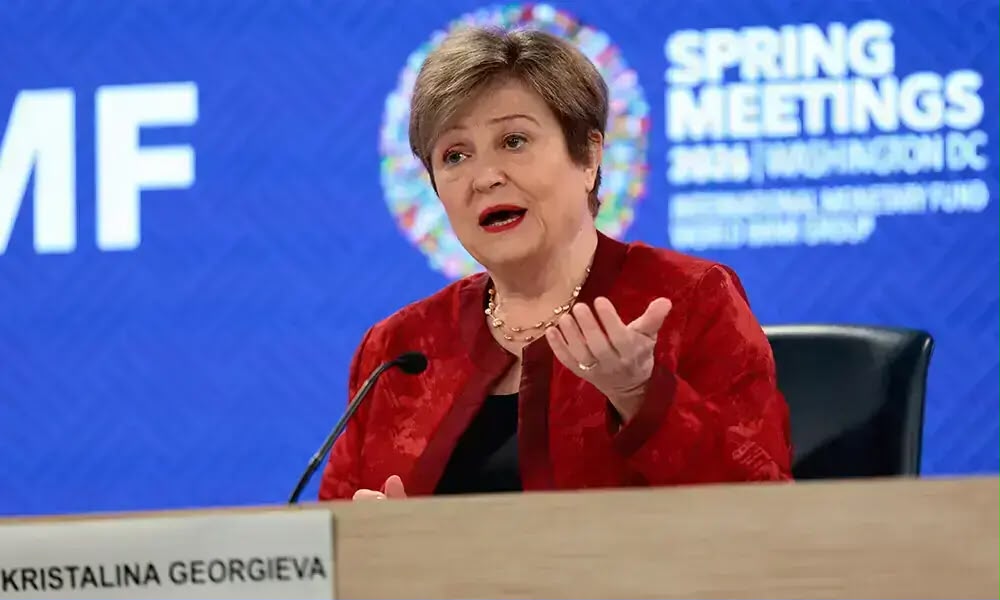
Pakistan’s decision to pass higher oil prices directly to consumers is closely tied to conditions under its ongoing program with the International Monetary Fund. Under the IMF’s Extended Fund Facility arrangement, the government must maintain strict fiscal discipline and avoid introducing unfunded subsidies that could widen the budget deficit.
Energy subsidies have historically been a major fiscal challenge for Pakistan. Providing government support to keep fuel prices artificially low can significantly increase public spending and place pressure on national finances. IMF program conditions therefore require the government to allow fuel prices to reflect international market movements.
Finance Minister Muhammad Aurangzeb and Petroleum Minister Ali Pervaiz Malik both stated that the price increase was necessary to comply with these fiscal commitments. With the petroleum levy already close to its legal ceiling, the government had limited options to cushion consumers from the global oil shock.
Such policy constraints highlight the influence of international financial institutions on domestic economic decisions. Countries participating in IMF programs often face strict fiscal rules designed to stabilize public finances and restore investor confidence.
India Relies on Energy Security Strategy
India has been able to maintain stable fuel prices largely because of long term energy security planning. The country has accumulated strategic petroleum reserves and commercial oil stocks capable of covering approximately fifty to seventy four days of domestic consumption. These reserves allow policymakers to respond to temporary supply disruptions without immediately raising retail fuel prices.
Another factor supporting India’s strategy is the diversification of its crude oil supply sources. The country has expanded imports from multiple regions, reducing reliance on supply routes that pass through the Strait of Hormuz. Currently, about seventy percent of India’s crude oil imports arrive through shipping routes that are less vulnerable to geopolitical disruptions.
In addition, Indian refiners have benefited from a temporary waiver from the United States allowing limited purchases of Russian crude oil. This flexibility has enabled Indian oil companies to access discounted supplies and manage input costs more effectively during the current period of market volatility.
Together, these factors provide India with greater policy flexibility when responding to global energy price shocks.
Economic Impact on Inflation and Industry
Rising fuel prices in Pakistan are expected to have wider economic consequences. Fuel costs influence transportation expenses, electricity generation costs, and the price of essential goods across the economy. Economists warn that the recent petrol price increase could trigger a new round of inflationary pressure just as policymakers had begun to anticipate possible monetary easing.
The industrial sector is particularly concerned about the impact of higher energy costs. Export oriented industries such as textiles and manufacturing rely heavily on energy inputs, and rising fuel prices could increase production costs. Higher costs may weaken the competitiveness of Pakistani exports in international markets compared with regional competitors.
India’s price stability, at least in the short term, offers its manufacturing sector greater cost predictability. Stable fuel prices help businesses manage operational expenses and maintain production planning despite volatility in global energy markets.
However, analysts caution that India’s approach may only provide temporary relief. If global oil prices remain elevated for an extended period, the financial burden on state run oil marketing companies could eventually lead to price adjustments.
Outlook
The current oil market volatility is highlighting structural differences in how countries manage energy shocks. India’s strategic reserves and diversified supply chains offer short term protection against rising prices, while Pakistan’s IMF backed fiscal discipline means global oil fluctuations quickly translate into domestic fuel costs and economic pressure.








 Artificial Intelligence4 months ago
 Football3 months ago
 Latest News7 months ago
 Latest News7 months ago
 Football3 months ago
 Latest News7 months ago
 Latest News7 months ago
 Latest News7 months ago