
Food
Plant-Based Dining Expands as Restaurants Adapt to Health-Focused Consumers
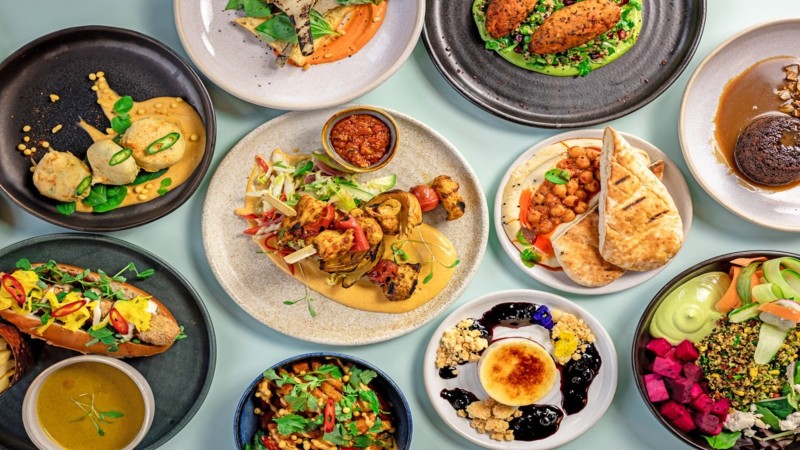
Restaurants around the world are rapidly expanding their plant-based menus as consumer demand for healthier and more sustainable food options continues to grow. What was once considered a niche dietary preference has evolved into a mainstream movement influencing the global food industry. In 2026, plant-based dining is no longer limited to vegetarian or vegan restaurants; instead, it has become a central feature in many traditional dining establishments. From fine dining venues to fast-casual chains, restaurants are introducing innovative dishes built around vegetables, legumes, grains, and plant-based proteins. This shift reflects a broader change in consumer behavior, with diners increasingly prioritizing nutrition, sustainability, and environmentally conscious food choices.
Health considerations are one of the main drivers behind the growing popularity of plant-based meals. Nutrition experts often highlight the benefits of diets rich in vegetables, fruits, whole grains, and plant-derived proteins. These foods are generally associated with improved heart health, better digestion, and lower risks of certain chronic diseases. As awareness of these benefits spreads, more consumers are seeking meals that align with healthier lifestyles. Restaurants are responding by offering dishes that emphasize fresh ingredients and balanced nutrition, allowing customers to enjoy flavorful meals without relying heavily on animal-based products.
Another factor fueling the plant-based dining trend is the increasing availability of innovative plant-based alternatives. Food technology companies have developed products that closely mimic the taste and texture of traditional meat and dairy. Plant-based burgers, sausages, dairy-free cheeses, and alternative milk products are now widely available and commonly featured on restaurant menus. These options allow restaurants to cater to both dedicated plant-based diners and those who are simply looking to reduce their meat consumption. The concept of “flexitarian” eating where consumers occasionally substitute plant-based foods for animal products has become particularly influential in shaping menu development.
Sustainability concerns are also encouraging restaurants to incorporate more plant-based options. The environmental impact of large-scale livestock production has become a topic of increasing discussion among consumers, policymakers, and food industry leaders. Plant-based meals generally require fewer natural resources to produce, including land, water, and energy. By offering more plant-forward dishes, restaurants can align their menus with sustainability goals while appealing to environmentally conscious customers. Many establishments are also highlighting locally sourced produce and seasonal ingredients, further strengthening the connection between plant-based dining and sustainable food practices.
Culinary creativity has played a key role in making plant-based dining more appealing to a wider audience. Chefs are experimenting with new cooking techniques and flavor combinations to transform vegetables and plant proteins into satisfying and visually appealing dishes. Ingredients such as mushrooms, lentils, chickpeas, tofu, and jackfruit are being used in inventive ways to replicate traditional textures and create rich, savory flavors. Global cuisines, including Mediterranean, Middle Eastern, and Asian culinary traditions, have also influenced plant-based menu development, bringing diverse spices and cooking styles into modern restaurant kitchens.
As plant-based dining continues to gain momentum, many industry observers believe the trend will remain a permanent feature of the global restaurant landscape. Rather than replacing traditional foods entirely, plant-based dishes are becoming part of a broader effort to diversify menus and accommodate evolving consumer preferences. With growing interest in health, sustainability, and innovative culinary experiences, restaurants are likely to continue expanding their plant-forward offerings, reshaping the future of dining around the world.
You may like
Food
Seafood Shipments Rise to 61,679 Tonnes

Pakistan seafood exports rose 74.40% year-on-year to $125.4 million in the first quarter of FY2026–27, according to figures released by the Ministry of Maritime Affairs. Export receipts were $71.9 million in the same period last year. Shipment volumes also increased, reaching 61,679 metric tonnes during July–September 2026, compared with 43,995 tonnes a year earlier. The growth offers a boost to Pakistan’s export earnings as the country seeks to strengthen its foreign exchange inflows.
Food
The Future of Smart Kitchens and AI-Driven Cooking at Home

The modern kitchen is undergoing a technological transformation as artificial intelligence and smart appliances reshape the way people cook and manage food at home. What was once a purely manual space is now becoming increasingly connected, with intelligent devices capable of assisting users with meal planning, ingredient management, and cooking techniques. In 2026, smart kitchens are emerging as a central part of the broader smart home ecosystem, offering convenience, efficiency, and personalized culinary experiences. As technology companies continue to innovate, AI-driven cooking tools are changing how households approach everyday meals, making home cooking more accessible for both experienced cooks and beginners.
One of the most notable developments in smart kitchens is the integration of artificial intelligence into everyday appliances. Smart ovens, refrigerators, and cooking assistants can now analyze ingredients, suggest recipes, and automatically adjust cooking temperatures and times. Some refrigerators are equipped with internal cameras and inventory tracking systems that monitor food items and recommend meals based on available ingredients. AI-powered cooking apps can guide users step by step through recipes, offering real-time adjustments based on portion sizes, dietary preferences, or cooking conditions. These capabilities allow households to reduce food waste while simplifying meal preparation.
Voice-controlled technology is also becoming an important feature in AI-driven kitchens. Smart assistants integrated into kitchen appliances enable users to control cooking devices through voice commands, making multitasking easier during meal preparation. For example, users can ask a smart speaker to set timers, adjust oven temperatures, or provide recipe instructions without needing to handle devices with messy hands. This hands-free functionality enhances convenience and safety while allowing home cooks to focus more on the creative aspects of preparing food.
Another major trend shaping the future of smart kitchens is the growing emphasis on personalized nutrition. AI-powered platforms are increasingly capable of analyzing dietary habits and suggesting meals tailored to an individual’s health goals. These systems can recommend recipes based on calorie targets, nutrient requirements, or dietary restrictions such as vegetarian, gluten-free, or low-sodium diets. By combining nutritional data with user preferences, smart kitchen systems can help households maintain healthier eating habits while saving time on meal planning and grocery shopping.
Smart kitchen technology is also improving energy efficiency and sustainability in modern homes. Many connected appliances are designed to optimize energy consumption by adjusting power usage based on cooking requirements. Smart dishwashers and induction cooktops, for instance, can reduce water and electricity consumption through automated efficiency settings. Additionally, AI-enabled inventory systems help households monitor food expiration dates and encourage the use of ingredients before they spoil. These features contribute to reducing both energy waste and food waste, aligning smart kitchens with broader environmental goals.
As technology continues to evolve, the concept of fully automated cooking is gradually becoming more realistic. Some advanced kitchen systems already feature robotic cooking devices capable of preparing complex meals with minimal human involvement. These machines can replicate professional cooking techniques by precisely controlling heat, timing, and ingredient combinations. While such systems are still relatively new and expensive, industry experts believe they could become more widely available as costs decline and technology improves.
The future of smart kitchens is likely to combine convenience, personalization, and sustainability in ways that fundamentally reshape home cooking. As AI technology becomes more advanced and integrated into everyday appliances, households will gain access to tools that simplify meal preparation while supporting healthier lifestyles. Rather than replacing the joy of cooking, smart kitchen innovations aim to enhance the experience, helping people prepare better meals with greater efficiency and confidence.
Food
Why Mediterranean Diet Trends Are Dominating Global Food Culture
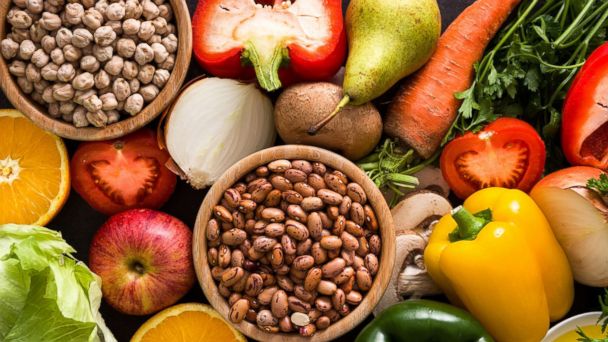
The Mediterranean diet has emerged as one of the most influential global food trends in recent years, attracting attention from nutrition experts, chefs, and health-conscious consumers alike. Known for its emphasis on fresh vegetables, fruits, whole grains, olive oil, seafood, and lean proteins, the diet reflects traditional eating patterns found in countries bordering the Mediterranean Sea. In 2026, the approach to eating associated with this region continues to gain worldwide popularity as more people look for sustainable, balanced, and flavorful ways to improve their health. From restaurants and grocery stores to home kitchens, Mediterranean-inspired meals are becoming a staple in modern food culture, driven by a growing interest in both wellness and culinary tradition.
One of the main reasons behind the rise of the Mediterranean diet is its strong connection to long-term health benefits. Numerous studies have linked this dietary pattern to improved heart health, reduced risk of chronic diseases, and better weight management. The diet focuses on nutrient-rich foods that are naturally high in healthy fats, fiber, vitamins, and antioxidants. Olive oil, a central ingredient in Mediterranean cooking, is widely recognized for its heart-healthy monounsaturated fats. Similarly, the regular consumption of fish, nuts, legumes, and fresh produce contributes to a balanced nutritional profile that supports overall well-being. As consumers become more aware of the role diet plays in disease prevention, the Mediterranean approach has gained widespread credibility among health professionals.
Another factor driving the popularity of the Mediterranean diet is its flexibility and emphasis on whole, minimally processed foods. Unlike restrictive diet plans that eliminate entire food groups, the Mediterranean diet promotes balance and variety. Meals often include colorful salads, grilled vegetables, whole grains such as farro and bulgur, and moderate portions of seafood or poultry. Red meat and heavily processed foods are consumed less frequently, while dairy products such as yogurt and cheese are enjoyed in moderation. This flexible structure allows individuals to adapt the diet to different cultural cuisines and personal preferences, making it easier for people around the world to adopt the lifestyle.
The Mediterranean diet has also gained attention for its cultural and social dimensions. In Mediterranean countries, food is often closely tied to community and shared experiences. Meals are typically enjoyed slowly, with family and friends gathered around the table. This tradition of mindful eating and social connection has resonated with people seeking healthier relationships with food and more meaningful dining experiences. Restaurants and hospitality brands are increasingly embracing Mediterranean-inspired menus that highlight fresh ingredients, simple preparation methods, and vibrant flavors that reflect the region’s culinary heritage.
The global food industry has responded to the rising demand for Mediterranean-style cuisine by expanding product offerings and culinary innovations. Supermarkets now stock a wide range of ingredients associated with the diet, including extra-virgin olive oils, olives, hummus, whole-grain pastas, and Mediterranean spice blends. Food companies are also introducing ready-to-eat meals and packaged foods inspired by the diet’s principles. Meanwhile, chefs around the world are incorporating Mediterranean flavors into contemporary menus, blending traditional ingredients with modern cooking techniques to create new interpretations of classic dishes.
As global consumers continue to prioritize health, sustainability, and authentic food experiences, the Mediterranean diet is expected to remain a dominant influence in modern food culture. Its combination of nutritional benefits, culinary diversity, and lifestyle appeal makes it one of the most widely embraced dietary approaches worldwide. For many people, adopting Mediterranean-inspired eating habits represents not just a change in diet but a broader shift toward a healthier and more balanced way of living.



Trending

 Artificial Intelligence4 months ago
South Korea Unveils $880 Billion AI and c Investment Plan

 Football3 months ago
Better Future Pakistan | Match -1 | Norway

 Latest News7 months ago
Crypto Liquidity and Capital Flows: Could Rising USDT Activity Influence Pakistan’s Equity Markets

 Latest News7 months ago
Etihad Town Phase I Introduces Overseas Block with Residential and Commercial Plot Opportunities in Lahore

 Football3 months ago
Better Future Pakistan | LIVE Match | Norway

 Latest News7 months ago
From Catalog Clicks to Conversational AI: How Moeed Sheikh Is Building Revenue Driven Digital Experiences

 Latest News7 months ago
Punjab Introduces Mandatory Underground Infrastructure Rules for New Housing Societies in Lahore

 Latest News7 months ago
PSX Bloodbath as KSE100 Plunges Over 13,000 Points After Trading Resumes