Pakistan’s latest market statistics and economic indicators present a mixed picture of financial stability, inflation pressures, and changing market dynamics. Recent data covering exchange rates, stock market performance, inflation metrics, and external sector indicators suggest that the economy continues to experience both stabilization and emerging challenges. While the Pakistani rupee has remained relatively stable in the interbank market, the country’s benchmark stock index has seen a notable decline compared with the previous week. Meanwhile, inflation indicators show moderate price increases and foreign exchange reserves remain stable, providing short term support to financial markets. These indicators collectively offer insight into the overall health of Pakistan’s economy and its evolving financial landscape.
Currency Stability and Stock Market Movements
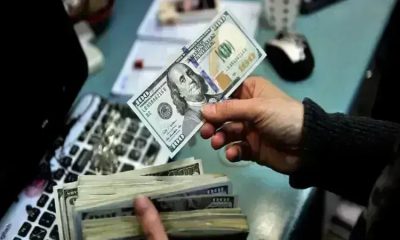
The Pakistani rupee remained broadly stable against the US dollar in the interbank market during the latest reporting week. The currency closed at approximately 279.40 per dollar compared with 279.47 in the previous week, reflecting minimal fluctuation in the official exchange rate. Stability in the rupee is often viewed as an important signal of confidence in the country’s external sector, particularly when supported by stable foreign exchange reserves.
Despite currency stability, Pakistan’s stock market experienced a notable decline during the same period. The benchmark KSE-100 index dropped to around 157,496 points from 168,062 points in the previous week. Such fluctuations in the stock market often reflect investor sentiment, global economic conditions, and domestic political or economic developments.
Trading activity in the market remained relatively strong. Average daily trading volume increased to approximately 658 million shares compared with nearly 599 million shares in the previous week. Higher trading volumes can indicate active investor participation even during periods of market volatility.
Precious metals also showed movement in domestic markets. Gold prices in Karachi declined slightly to about Rs 457,614 per 10 grams compared with Rs 463,444 in the previous week. International gold prices also recorded modest declines, reflecting broader movements in global commodity markets.
Interest Rates and Financial Market Indicators
Interest rate indicators provide important signals about liquidity conditions and borrowing costs in the economy. Pakistan’s six month Karachi Interbank Offered Rate rose slightly to 10.80 percent compared with 10.61 percent previously. This increase indicates a marginal rise in short term borrowing costs within the banking sector.
Government bond yields also moved upward. The yield on ten year Pakistan Investment Bonds increased to around 11.81 percent compared with 11.60 percent in the previous period. Higher bond yields typically reflect market expectations regarding inflation and future interest rate trends.
Recent treasury bill auctions conducted by the State Bank of Pakistan also showed rising yields across various maturities. The one month treasury bill yield reached approximately 10.49 percent, while the three month and six month yields rose to around 10.50 percent and 10.74 percent respectively. The twelve month treasury bill yield increased to approximately 10.99 percent.
These increases suggest that financial markets are pricing in moderate inflation expectations and maintaining cautious liquidity conditions. Central bank interest rates remain an important factor shaping these market yields.
The State Bank of Pakistan’s policy rate currently stands at 10.50 percent within the interest rate corridor framework. The reverse repo rate is set at 11.50 percent while the repo rate stands at 9.50 percent. These benchmarks guide borrowing costs across the financial system.
Foreign Exchange Reserves and External Sector Trends
Pakistan’s foreign exchange reserves remained relatively stable in recent weeks, providing support to the country’s external financial position. Data shows that reserves held by the State Bank of Pakistan increased slightly to about 16.3 billion dollars compared with 16.21 billion dollars a week earlier.
Commercial banks hold an additional 5.13 billion dollars in reserves, bringing total national reserves to approximately 21.43 billion dollars. Stable reserve levels help maintain confidence in the country’s ability to meet external obligations and manage currency stability.
Trade data shows continued pressure on the external sector. Exports during February totaled approximately 2.27 billion dollars, while imports reached about 5.25 billion dollars. This resulted in a monthly trade deficit of nearly 2.98 billion dollars.
Pakistan’s current account balance, however, showed improvement in recent data. The country recorded a surplus of around 121 million dollars in January compared with a deficit of 265 million dollars in the previous month. Improvements in the current account can help strengthen external stability by reducing pressure on foreign exchange reserves.
Remittance inflows from overseas workers remain another critical component of the external sector. In January, remittances reached approximately 3.46 billion dollars, slightly lower than the previous month but still representing a strong inflow of foreign currency into the economy.
Inflation Indicators Show Moderate Price Pressures
Price indicators suggest moderate inflationary pressures in Pakistan’s economy. The Consumer Price Index reached approximately 282.39 in February compared with 281.62 in January, representing a month on month increase of about 0.27 percent.
On a year on year basis, consumer inflation rose to approximately 6.98 percent, reflecting ongoing price pressures across various goods and services. Wholesale price indicators also showed an increase. The Wholesale Price Index rose by about 0.66 percent on a monthly basis and recorded a year on year increase of roughly 1.05 percent.
The Sensitive Price Indicator, which tracks essential commodities and frequently purchased items, showed a slight monthly decline of about 0.12 percent. However, on a yearly basis it increased by approximately 4.60 percent.
These indicators suggest that while inflation has moderated compared with previous years, price pressures continue to influence household spending and economic activity.
Growth Indicators and Long Term Economic Trends
Pakistan’s broader economic indicators point toward moderate growth in recent fiscal periods. Annual GDP growth for fiscal year 2025 reached approximately 3.09 percent, an improvement compared with 2.58 percent recorded in the previous year.
Sector wise growth data shows varied performance across the economy. Agriculture expanded by about 1.51 percent, while manufacturing recorded growth of approximately 1.96 percent. The services sector grew by about 3.09 percent, reflecting continued expansion in trade, finance, and communication activities.
Large scale manufacturing data also indicates improved industrial activity in recent months. The index rose significantly on a monthly basis, suggesting a rebound in industrial production.
Pakistan’s external debt and liabilities reached approximately 138 billion dollars by the end of 2025. Debt management remains an important aspect of economic planning as policymakers seek to balance development spending with fiscal sustainability.
Outlook
Pakistan’s latest economic indicators suggest a period of relative financial stability alongside moderate inflation and external sector challenges. Currency stability and stable reserves support the economy, while trade deficits and market volatility continue to influence the broader economic outlook.










 Artificial Intelligence4 months ago
 Football3 months ago
 Latest News7 months ago
 Latest News7 months ago
 Football3 months ago
 Latest News7 months ago
 Latest News7 months ago
 Latest News7 months ago