Connect with us

SBP & Monetary Policy

SBP Keeps Policy Rate Unchanged at 10.5% Amid Rising Global Uncertainty

The State Bank of Pakistan (SBP) has decided to keep its benchmark policy rate unchanged at 10.5 percent following the latest meeting of the Monetary Policy Committee (MPC). The decision was taken during a meeting chaired by SBP Governor Jameel Ahmad, where policymakers reviewed domestic economic indicators along with developments in global markets. The central bank said the current monetary policy stance remains appropriate given the evolving economic environment and the need to maintain price stability while supporting economic recovery. By maintaining the policy rate at its existing level, the central bank aims to carefully balance inflation control with sustainable economic growth as financial conditions continue to evolve.

Monetary Policy Committee Reviews Key Economic Indicators

During the meeting, the Monetary Policy Committee evaluated recent macroeconomic developments and compared them with the projections presented in the previous policy review. According to the central bank’s statement, the latest economic data broadly aligns with earlier expectations regarding growth, inflation and external sector trends. However, policymakers emphasized that uncertainty surrounding global economic conditions has increased significantly in recent weeks. The committee carefully examined indicators such as inflation trends, industrial activity, current account performance and fiscal developments before deciding to maintain the existing policy rate. Maintaining the rate allows the central bank to monitor these indicators more closely before making any further adjustments to monetary policy.

Business Community Expectations Before the Decision

Before the policy announcement, surveys of market participants and the business community reflected mixed expectations regarding the direction of interest rates. Around 60 percent of respondents expected the central bank to keep the policy rate unchanged, anticipating that policymakers would adopt a cautious approach amid uncertain global economic conditions. Meanwhile, approximately 24 percent of participants predicted a possible increase in the policy rate due to concerns about inflationary pressures. A smaller group of about 10 percent believed the central bank might consider lowering interest rates to support economic growth. The survey results suggested that most market participants anticipated a wait-and-see approach from the central bank while economic indicators continue to evolve.

Geopolitical Developments Add to Economic Uncertainty

The Monetary Policy Committee also discussed the potential impact of geopolitical tensions on Pakistan’s economic outlook. The outbreak of conflict in the Middle East has raised concerns about disruptions in global trade, rising energy prices and higher transportation costs. According to the central bank, the conflict has already contributed to increases in global fuel prices as well as higher freight and insurance costs for international shipments. These developments could affect Pakistan’s import bill and inflation trajectory if energy prices remain elevated for a prolonged period. Policymakers noted that the scale and duration of the conflict will be critical factors in determining its eventual impact on the domestic economy.

Inflation Trends and Domestic Economic Developments

The central bank also reviewed recent inflation trends and other key economic indicators during the MPC meeting. Consumer price inflation increased to 5.8 percent in January and further rose to around 7 percent in February, reflecting some upward movement in price levels. Despite this increase, policymakers indicated that inflation remains broadly within the previously projected range for the fiscal year. The committee also noted improvements in several areas of the economy, including a current account surplus recorded in January and a gradual buildup of foreign exchange reserves. Additionally, large-scale manufacturing showed modest growth of approximately 0.4 percent on a year-on-year basis, indicating early signs of recovery in industrial activity.

Fiscal Developments and Structural Reform Needs

Another area reviewed by the committee was fiscal performance and tax collection. The State Bank noted that tax revenues collected by the Federal Board of Revenue remained below the government’s targets during January and February. Policymakers emphasized that fiscal discipline and structural reforms are essential for strengthening economic stability and sustaining long-term growth. Coordinated efforts between monetary and fiscal authorities are considered critical to ensuring macroeconomic stability, improving investor confidence and maintaining manageable inflation levels. The central bank also highlighted the importance of continuing structural reforms to enhance productivity and support long-term economic resilience.

Global Commodity Prices and Supply Chain Risks

The MPC statement also highlighted the uncertainty surrounding global commodity markets and supply chains. Policymakers noted that rising geopolitical tensions and shifts in global trade policies could influence commodity prices, transportation costs and international supply chains. Such developments can have direct implications for Pakistan’s inflation outlook because the country relies heavily on imported energy and raw materials. Higher energy prices or disruptions in international trade routes could increase production costs and place additional pressure on consumer prices. As a result, the central bank indicated that it will continue monitoring global economic developments closely while evaluating future policy decisions.

Outlook for Pakistan’s Monetary Policy

Looking ahead, the State Bank of Pakistan indicated that the current policy stance remains appropriate as the economy navigates both domestic and global uncertainties. The central bank reaffirmed its commitment to maintaining price stability while supporting sustainable economic growth. Future monetary policy decisions will depend on evolving inflation trends, external sector developments and overall economic performance in the coming months.

Share on:
Continue Reading
Click to comment

Leave a Reply

Your email address will not be published. Required fields are marked *

SBP & Monetary Policy

Oil Price Risks and Geopolitics May Keep SBP Policy Rate Unchanged at 10.5%

Rising geopolitical tensions and increasing global oil prices are expected to play a significant role in shaping Pakistan’s monetary policy outlook as the State Bank of Pakistan prepares for its upcoming Monetary Policy Committee meeting. Analysts believe the central bank is likely to keep the policy rate unchanged at 10.5 percent due to heightened uncertainty surrounding inflation, external balances and global economic developments. With energy prices climbing and geopolitical tensions affecting global markets, policymakers are expected to adopt a cautious approach to interest rate decisions while monitoring the potential impact of these developments on Pakistan’s macroeconomic stability.

Geopolitical Developments Influencing Monetary Policy Outlook

Pakistan’s monetary policy outlook is increasingly being influenced by geopolitical developments and volatility in global energy markets. Analysts say that global tensions, particularly the ongoing confrontation involving the United States and Iran, have unsettled financial markets and pushed commodity prices higher. These developments have raised concerns for economies that depend heavily on imported fuel, including Pakistan. As geopolitical risks intensify, central banks across the world are facing challenges in balancing inflation control with economic growth. For Pakistan, the uncertainty created by global events has made policymakers more cautious in adjusting interest rates until there is greater clarity regarding the economic outlook.

Analysts Expect SBP to Maintain Policy Rate

Financial analysts and research institutions expect the State Bank of Pakistan to maintain the policy rate at 10.5 percent in the upcoming policy meeting. Research conducted by Arif Habib Limited suggests that the central bank may prefer to keep interest rates steady in the near term due to global uncertainty and rising energy costs. Maintaining the existing policy rate would signal a careful approach by policymakers who are assessing both domestic and international economic indicators before making further monetary policy adjustments. Such a stance would allow the central bank to observe inflation trends and external sector developments while maintaining financial stability.

Rising Oil Prices Add Pressure on the Economy

Higher oil prices remain a major concern for Pakistan’s economic outlook. As an import-dependent economy, Pakistan relies heavily on imported energy to support its industrial and transportation sectors. When global oil prices rise, the cost of energy imports increases significantly, placing pressure on the country’s trade balance and foreign exchange reserves. Analysts point out that geopolitical tensions have already contributed to a noticeable surge in global crude oil prices. According to market data, Brent crude has increased by approximately 18 percent, while West Texas Intermediate has risen by around 21 percent. Meanwhile, Arab Light crude prices have climbed by about 16 percent, reflecting the volatility currently affecting international energy markets.

Impact on Pakistan’s External Sector

The rise in oil prices could have substantial implications for Pakistan’s external sector. Higher energy costs increase the country’s import bill and widen the current account deficit if export growth does not offset the increase in imports. Economic research indicates that every $10 per barrel increase in global oil prices could widen Pakistan’s current account deficit by roughly $2 billion annually. Such developments can create additional pressure on the country’s balance of payments and foreign exchange reserves. Policymakers must therefore carefully assess global energy market developments when determining monetary policy actions.

Pressure on the Rupee and Inflation Outlook

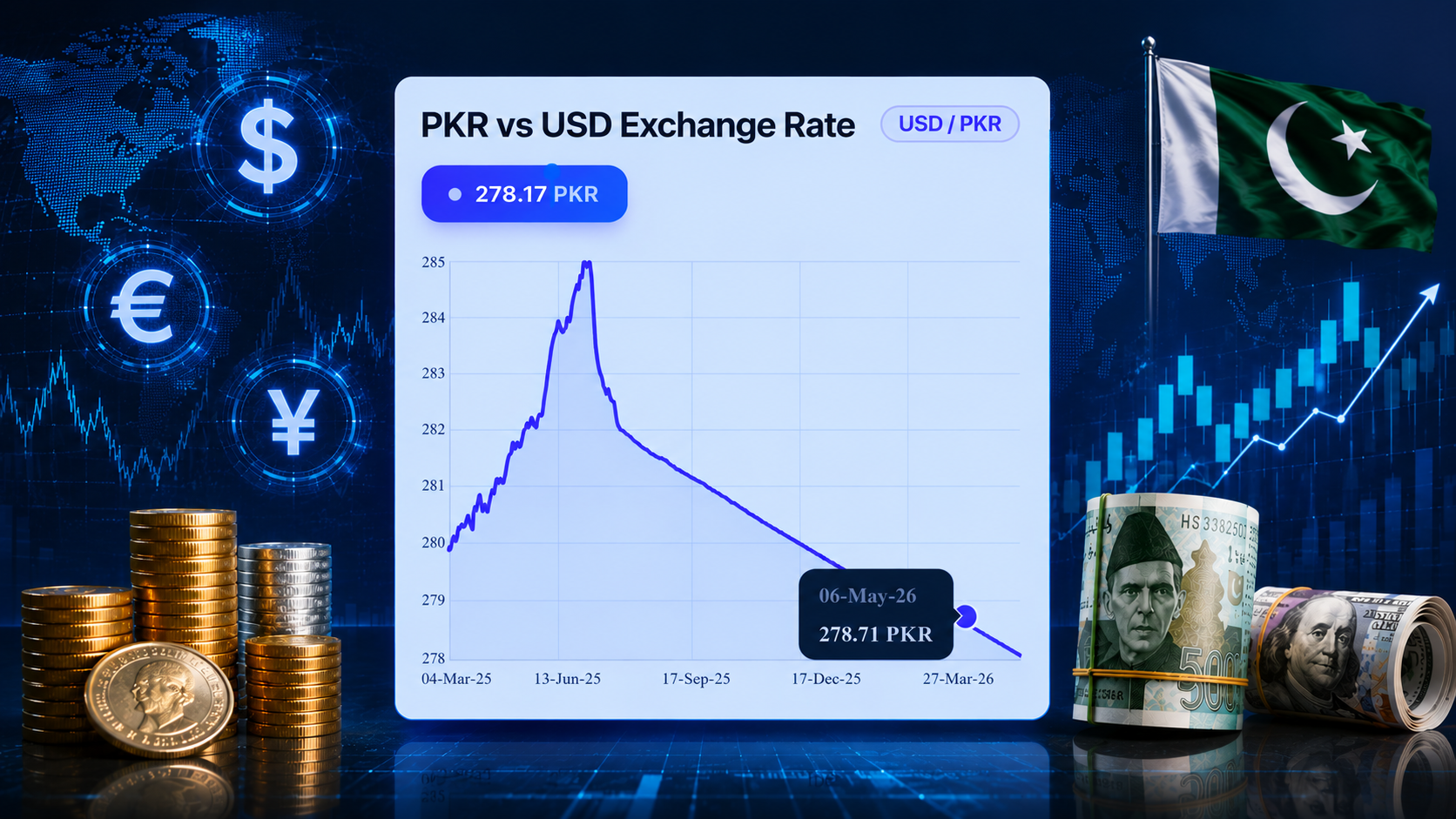
Higher oil prices not only affect Pakistan’s trade balance but can also put pressure on the national currency. As import costs rise, the demand for foreign currency increases, which can weaken the domestic currency and contribute to higher inflation. Rising fuel prices also have a ripple effect across the economy, increasing transportation costs, production expenses and consumer prices. These factors can complicate the central bank’s efforts to maintain price stability while supporting economic growth. Maintaining the current policy rate could therefore provide policymakers with additional time to evaluate whether global price shocks translate into sustained inflationary pressures within the domestic economy.

Monetary Policy Strategy Amid Global Volatility

Central banks often adopt cautious monetary policy strategies during periods of global uncertainty. For Pakistan, maintaining the policy rate at its current level could help stabilize financial markets while policymakers evaluate the evolving economic environment. Interest rates remain one of the most important tools available to central banks for controlling inflation and managing economic conditions. By holding the policy rate steady, the State Bank of Pakistan can continue monitoring key indicators such as inflation, currency stability, external balances and industrial growth before deciding whether further adjustments are necessary.

Outlook for Pakistan’s Monetary Policy

Looking ahead, the direction of Pakistan’s monetary policy will largely depend on global oil market developments, geopolitical risks and domestic inflation trends. If energy prices continue to rise or external pressures intensify, policymakers may maintain a cautious stance to safeguard macroeconomic stability. At the same time, improvements in inflation and external accounts could provide greater flexibility for future policy adjustments as economic conditions evolve.

Share on:
Continue Reading

SBP & Monetary Policy

Soneri Bank’s Baber Market Branch Becomes First WWF-Pakistan Certified Green Branch

Soneri Bank has achieved an important milestone in its sustainability journey as its Baber Market Branch in Landhi, Karachi received official certification under the WWF-Pakistan Green Office Program. The recognition marks the bank’s first branch to be certified as a Green Branch, reflecting its commitment to environmentally responsible operations and sustainable banking practices. The certification highlights the bank’s efforts to integrate environmentally friendly initiatives within its operational framework while supporting broader sustainability objectives encouraged by the State Bank of Pakistan through its Green Banking Guidelines.

Certification Reflects Commitment to Sustainable Banking

The WWF-Pakistan Green Office certification represents a significant step forward in Soneri Bank’s environmental responsibility initiatives. The program recognizes organizations that successfully adopt environmentally conscious operational practices, including efficient use of resources, waste management improvements, and energy conservation measures. By securing this certification, Soneri Bank has demonstrated its commitment to reducing environmental impact within its operations while promoting responsible banking practices. The Baber Market Branch was selected for the initiative due to its strategic location in Landhi, where sustainability awareness and environmental initiatives can generate meaningful community impact.

Environmental Practices Introduced at the Branch

The certification process required the branch to implement several sustainability-focused measures aimed at improving operational efficiency and minimizing environmental impact. These initiatives include improved waste management systems, efficient energy use, water conservation practices, and awareness programs for both employees and customers. By integrating these environmentally responsible measures into daily operations, the bank aims to create a workplace culture that encourages resource conservation and environmentally conscious behavior. Such initiatives also help reduce the overall environmental footprint of banking operations while setting an example for other branches to follow in the future.

Alignment with State Bank of Pakistan’s Green Banking Guidelines

The initiative also aligns closely with the State Bank of Pakistan’s Green Banking Guidelines, which encourage financial institutions to adopt environmentally sustainable practices and support green economic development. Pakistan’s central bank has been promoting environmentally responsible banking by encouraging financial institutions to reduce their environmental impact and incorporate sustainability into their business strategies. Soneri Bank’s Green Branch certification demonstrates how financial institutions can align their operational practices with regulatory guidance while contributing to broader environmental objectives.

Leadership Emphasizes Sustainability Commitment

Senior leadership at Soneri Bank highlighted the importance of the certification as a step toward integrating sustainability into the bank’s operational strategy. According to Mubarak Ali, Chief Risk Officer at Soneri Bank Limited, the WWF-Pakistan certification represents an important milestone in the institution’s sustainability journey. He noted that the certification reflects the bank’s commitment to embedding environmentally responsible practices into its operations while contributing positively to communities. Leadership emphasized that such initiatives help strengthen the bank’s role as a responsible financial institution while supporting environmental stewardship and resource efficiency.

Promoting Community Awareness and Environmental Responsibility

Beyond internal operational improvements, the Green Branch initiative also aims to increase awareness among customers and the local community about environmental sustainability. By introducing environmentally friendly practices and promoting awareness campaigns, the bank seeks to encourage responsible resource use and sustainable habits among individuals and businesses interacting with the branch. The initiative reflects a broader trend in the banking sector where financial institutions are increasingly integrating environmental and social responsibility into their operations.

Contribution to Global Sustainability Goals

The Green Branch certification also supports broader international sustainability frameworks, particularly the United Nations Sustainable Development Goals. Soneri Bank’s initiative contributes to several SDGs including Affordable and Clean Energy, Reduced Inequalities, Responsible Consumption and Production, Climate Action, and Partnerships for the Goals. By aligning its operations with these global objectives, the bank aims to promote sustainable economic development while supporting environmental conservation efforts. Such initiatives demonstrate how financial institutions can play a role in advancing sustainability through responsible operational practices and strategic partnerships.

Outlook for Sustainable Banking in Pakistan

The certification of Soneri Bank’s Baber Market Branch highlights the growing focus on sustainability within Pakistan’s banking sector. As environmental challenges and climate concerns gain greater attention, financial institutions are increasingly expected to integrate sustainable practices into their operations. Initiatives such as Green Branch certification may encourage other banks to adopt similar measures, contributing to a broader shift toward environmentally responsible banking practices across the country.

Share on:
Continue Reading

SBP & Monetary Policy

Rising Government Debt Raises Concerns Over Pakistan’s Fiscal and Monetary Stability

Pakistan’s growing reliance on domestic borrowing has once again come into focus as the federal government plans to raise Rs6.525 trillion through the sale of security bonds over the next three months, from March to May. The development emerged following a high-level review meeting held at the State Bank of Pakistan (SBP), where policymakers also discussed measures aimed at promoting a more cashless economy. The scale and timing of the planned borrowing have triggered debate among economists and financial analysts who warn that such borrowing could reflect deeper fiscal challenges, including widening gaps between government revenues and expenditures. The planned bond sales, taking place just months before the announcement of the next federal budget, suggest that the government may be seeking additional financing to meet its fiscal obligations during the final quarter of the current fiscal year.

Timing of Bond Sales Signals Fiscal Pressure

The timing of the government’s plan to raise more than Rs6 trillion through domestic borrowing has raised concerns among financial experts. In Pakistan, the federal budget is typically presented in June, which marks the final month of the fiscal year. Borrowing such a large amount during the final quarter suggests that the government may be facing a significant shortfall between its projected revenues and expenditures. Analysts point out that the country’s budget structure leaves limited space for fiscal flexibility because a large portion of government spending is allocated to recurring expenses. Approximately 93 percent of the current fiscal year’s budget has been earmarked for current expenditures such as salaries, subsidies, pensions and debt servicing. With development spending often reduced during the year to manage fiscal pressures, economists warn that the newly planned borrowing may largely finance consumption rather than investments that improve economic productivity.

Inflationary Risks Linked to Borrowing Strategy

Economists also caution that borrowing to finance expenditures not tied to productive economic activity can have inflationary consequences. When governments rely heavily on domestic borrowing without corresponding increases in economic output, the resulting liquidity can fuel inflationary pressures across the economy. In Pakistan’s case, such concerns are particularly relevant because inflation has remained a key economic challenge in recent years. If borrowed funds are primarily used to cover operational spending rather than development projects that generate economic growth, the policy may increase demand in the economy without improving supply conditions. This imbalance can contribute to rising prices, placing additional pressure on households and businesses already coping with high living costs.

IMF Pressure and Interest Rate Challenges

Another issue highlighted by economists relates to the potential response from international financial institutions, particularly the International Monetary Fund (IMF). Under previous and ongoing IMF programmes, the Fund has often recommended tighter monetary policy when inflation risks increase. With Pakistan’s current policy rate already standing at 10.5 percent, further pressure to raise interest rates could have significant consequences for economic growth. Pakistan’s manufacturing sector, particularly large-scale industries, has repeatedly expressed concerns that high borrowing costs limit their ability to compete with regional economies where interest rates are significantly lower. If monetary policy tightens further in response to inflation or fiscal pressures, businesses may face higher financing costs that could reduce investment and industrial production.

Impact on Economic Growth Prospects

Higher interest rates and rising borrowing costs can also affect broader economic growth prospects. The large-scale manufacturing sector plays a crucial role in Pakistan’s industrial base and employment generation. However, industry representatives argue that elevated borrowing costs discourage expansion and investment in new production capacity. At the same time, global geopolitical tensions, particularly the ongoing conflict in the Middle East, have added another layer of uncertainty to Pakistan’s economic outlook. Rising energy prices and disruptions in global trade could slow economic growth and increase pressure on the country’s balance of payments. These external risks make the government’s borrowing strategy even more significant, as fiscal and monetary policies must be carefully coordinated to maintain economic stability.

Rapid Increase in Domestic Debt Levels

Pakistan’s domestic debt levels have been steadily rising over recent years, reflecting the government’s continued reliance on borrowing to finance fiscal deficits. Official data shows that domestic debt increased from Rs54.472 trillion at the end of June 2025 to Rs55.363 trillion by the end of December 2025. This represents an increase of approximately Rs891 billion during the first half of the fiscal year. Given that the budget initially projected domestic borrowing of Rs3.436 trillion for the entire fiscal year, the new plan to raise Rs6.525 trillion within just three months has raised serious concerns among financial analysts. The proposed borrowing would represent a nearly 90 percent increase compared with the amount initially budgeted for the year, raising questions about fiscal sustainability and the government’s long-term debt management strategy.

Rising Cost of Debt Servicing

Another major concern associated with rising domestic borrowing is the increasing cost of debt servicing. Interest payments on government debt already account for a large portion of Pakistan’s annual budget expenditures. Although the current fiscal year projected a slight reduction in debt servicing costs compared with revised estimates from the previous year, this assumption was partly based on expectations that interest rates would decline significantly by the end of 2025. However, the central bank’s reduction in the policy rate last year amounted to only a modest 50 basis points, which may not be sufficient to produce the anticipated decline in overall interest costs. Furthermore, recent increases in cut-off yields on short-term government securities indicate that borrowing costs may actually rise rather than fall.

Outlook for Fiscal Discipline and Economic Reform

Pakistan’s long-term economic stability will depend heavily on improving fiscal discipline and reducing reliance on debt-financed spending. While policymakers have frequently emphasized the need to reduce current expenditures and improve fiscal management, economists argue that concrete reforms are needed to achieve these goals. Strengthening revenue collection, improving efficiency in government spending and prioritizing productive investments could help reduce the country’s dependence on borrowing. Without such reforms, rising debt levels may continue to place pressure on both fiscal policy and monetary policy in the years ahead.

Share on:
Continue Reading

Trending