Connect with us

IMF & Global Finance

IMF Asks Pakistan to Prepare Emergency Economic Plan Amid Regional Uncertainty

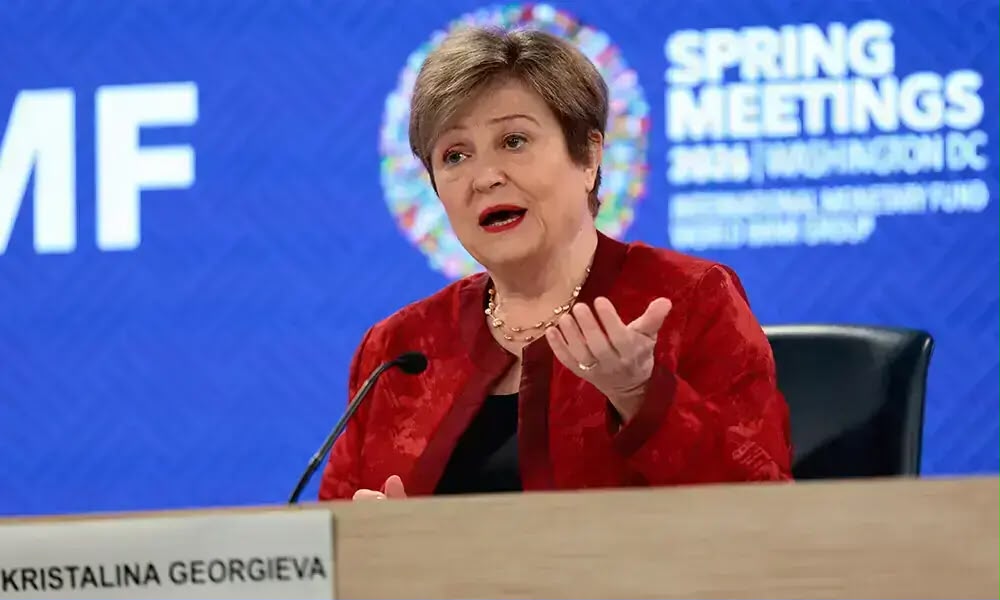
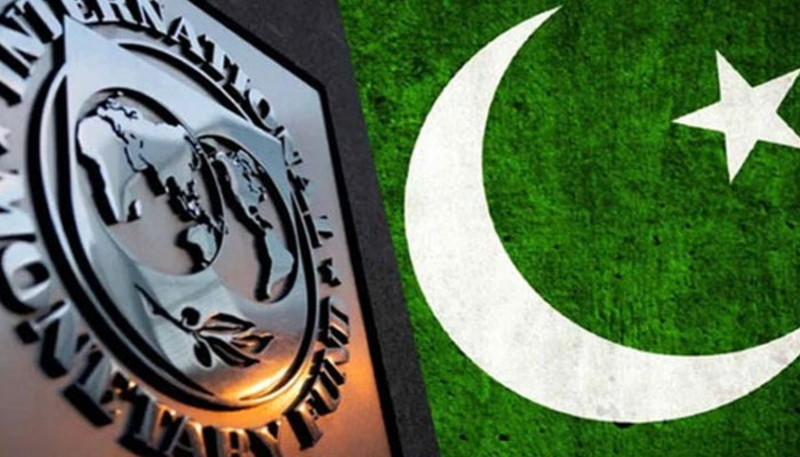
Pakistan is preparing an emergency economic strategy after the International Monetary Fund asked authorities to outline a comprehensive response plan addressing potential economic risks arising from ongoing regional tensions. Officials in Islamabad said the IMF has requested detailed measures aimed at protecting macroeconomic stability while ensuring that structural reforms remain on track under the current economic program. The emergency framework will be developed jointly by the Ministry of Finance, the Ministry of Energy and the Ministry of Commerce. The objective is to assess how geopolitical developments could affect Pakistan’s economy and to prepare policy responses that safeguard fiscal stability, energy supply and trade flows. Policymakers say the plan will focus on strengthening financial management, improving tax collection and maintaining economic reforms that are considered essential for long term economic stability.

Discussions between Pakistani officials and IMF representatives have also highlighted the importance of accelerating tax reforms and improving revenue generation. Authorities briefed the IMF on the challenges faced by the Federal Board of Revenue in meeting the current fiscal year tax target. The revised target for the fiscal year has been set at approximately 13979 billion rupees, though officials acknowledged that achieving this goal will require stronger enforcement and improved compliance. The IMF has emphasized the need for more efficient tax administration as part of broader fiscal reforms designed to strengthen government finances and reduce reliance on external borrowing. Economists say improving tax collection remains a key component of Pakistan’s reform agenda because stronger revenue generation allows the government to finance public services while maintaining fiscal discipline.

Another major focus of the discussions has been improving transparency and accountability in public sector procurement. Officials informed the IMF delegation about proposed amendments to the Public Procurement Regulatory Authority rules aimed at enhancing oversight and data access. Under the proposed framework several key institutions including the Competition Commission of Pakistan, the National Accountability Bureau and the Auditor General will be able to access procurement information more easily. Authorities believe these changes will improve transparency in government spending and reduce the risk of financial irregularities. The government is also expanding the electronic procurement system known as e PAD which manages public sector procurement processes. The system will be further integrated across federal and provincial departments to strengthen monitoring of government contracts and improve efficiency in public spending.

Officials also discussed institutional restructuring efforts designed to improve administrative efficiency and reduce fiscal pressure on the government. As part of a broader rightsizing initiative authorities have begun streamlining government departments and reducing redundant positions within the public sector. According to officials the restructuring process is expected to eliminate around fifty four thousand government positions by the end of 2025. These measures are projected to generate annual fiscal savings of approximately fifty six billion rupees which could help reduce expenditure pressures and improve fiscal sustainability. Policymakers say the restructuring initiative is part of a broader effort to modernize government institutions and make public administration more efficient.

The IMF and Pakistani authorities will continue discussions on the emergency economic framework through a series of virtual meetings involving provincial governments and federal ministries. These consultations aim to assess progress on reforms and coordinate policy responses to potential economic risks arising from regional instability. Officials say the ongoing dialogue reflects the importance of maintaining economic stability while ensuring that structural reforms remain aligned with the broader objectives of Pakistan’s international financial support program.

Share on:
Continue Reading
Click to comment

Leave a Reply

Your email address will not be published. Required fields are marked *

IMF & Global Finance

Oil Shock Divides South Asia as Pakistan Raises Fuel Prices Under IMF Rules

South Asia’s energy policy divide has become more visible as rising global oil prices force governments to respond in different ways. Pakistan has increased petrol prices sharply after global crude prices surged amid escalating geopolitical tensions involving the United States and Iran. India, however, has chosen to maintain stable retail fuel prices by relying on strategic reserves and diversified crude supply sources. The contrasting policy responses highlight differences in fiscal flexibility, energy security planning, and the influence of international financial commitments. While Pakistan has implemented a full pass through of higher oil prices due to fiscal constraints linked to its International Monetary Fund program, India has opted to shield consumers temporarily by absorbing short term costs through state run energy companies.

Global Oil Prices Drive Regional Policy Differences

Global energy markets have become increasingly volatile as geopolitical tensions in the Middle East push crude oil prices higher. Brent crude has climbed above the 100 dollar per barrel level as supply risks intensify following tensions around Iran and potential disruptions in shipping routes near the Strait of Hormuz. These developments have forced energy importing countries across Asia to reconsider their fuel pricing strategies.

For Pakistan, the surge in global crude prices has translated directly into higher retail fuel costs. The government recently announced a record increase of about 55 Pakistani rupees per litre in petrol prices, pushing the retail rate to around PKR 321.17 per litre. Officials described the decision as unavoidable given the sharp rise in international oil prices and the country’s limited fiscal space.

India’s approach has been different. Retail petrol prices in India have remained stable, with fuel selling at roughly INR 94.77 per litre in the capital city of Delhi. Indian authorities have chosen to delay price increases in order to protect consumers and maintain economic stability during the current energy shock.

These contrasting responses illustrate how economic policy choices can diverge significantly even among neighboring economies facing similar external pressures.

IMF Conditions Shape Pakistan’s Fuel Pricing Policy

Pakistan’s decision to pass higher oil prices directly to consumers is closely tied to conditions under its ongoing program with the International Monetary Fund. Under the IMF’s Extended Fund Facility arrangement, the government must maintain strict fiscal discipline and avoid introducing unfunded subsidies that could widen the budget deficit.

Energy subsidies have historically been a major fiscal challenge for Pakistan. Providing government support to keep fuel prices artificially low can significantly increase public spending and place pressure on national finances. IMF program conditions therefore require the government to allow fuel prices to reflect international market movements.

Finance Minister Muhammad Aurangzeb and Petroleum Minister Ali Pervaiz Malik both stated that the price increase was necessary to comply with these fiscal commitments. With the petroleum levy already close to its legal ceiling, the government had limited options to cushion consumers from the global oil shock.

Such policy constraints highlight the influence of international financial institutions on domestic economic decisions. Countries participating in IMF programs often face strict fiscal rules designed to stabilize public finances and restore investor confidence.

India Relies on Energy Security Strategy

India has been able to maintain stable fuel prices largely because of long term energy security planning. The country has accumulated strategic petroleum reserves and commercial oil stocks capable of covering approximately fifty to seventy four days of domestic consumption. These reserves allow policymakers to respond to temporary supply disruptions without immediately raising retail fuel prices.

Another factor supporting India’s strategy is the diversification of its crude oil supply sources. The country has expanded imports from multiple regions, reducing reliance on supply routes that pass through the Strait of Hormuz. Currently, about seventy percent of India’s crude oil imports arrive through shipping routes that are less vulnerable to geopolitical disruptions.

In addition, Indian refiners have benefited from a temporary waiver from the United States allowing limited purchases of Russian crude oil. This flexibility has enabled Indian oil companies to access discounted supplies and manage input costs more effectively during the current period of market volatility.

Together, these factors provide India with greater policy flexibility when responding to global energy price shocks.

Economic Impact on Inflation and Industry

Rising fuel prices in Pakistan are expected to have wider economic consequences. Fuel costs influence transportation expenses, electricity generation costs, and the price of essential goods across the economy. Economists warn that the recent petrol price increase could trigger a new round of inflationary pressure just as policymakers had begun to anticipate possible monetary easing.

The industrial sector is particularly concerned about the impact of higher energy costs. Export oriented industries such as textiles and manufacturing rely heavily on energy inputs, and rising fuel prices could increase production costs. Higher costs may weaken the competitiveness of Pakistani exports in international markets compared with regional competitors.

India’s price stability, at least in the short term, offers its manufacturing sector greater cost predictability. Stable fuel prices help businesses manage operational expenses and maintain production planning despite volatility in global energy markets.

However, analysts caution that India’s approach may only provide temporary relief. If global oil prices remain elevated for an extended period, the financial burden on state run oil marketing companies could eventually lead to price adjustments.

Outlook

The current oil market volatility is highlighting structural differences in how countries manage energy shocks. India’s strategic reserves and diversified supply chains offer short term protection against rising prices, while Pakistan’s IMF backed fiscal discipline means global oil fluctuations quickly translate into domestic fuel costs and economic pressure.

Share on:
Continue Reading

IMF & Global Finance

Kenya Says IMF Visit Focused on Technical Talks, No Lending Deal Expected Yet

Kenya has clarified that the current visit by an International Monetary Fund delegation is not expected to result in a new financial support agreement at this stage. Finance Minister John Mbadi said discussions between Kenyan authorities and IMF officials are primarily focused on technical engagement rather than negotiating a fresh lending program. The IMF team arrived in Nairobi from its headquarters in Washington last week and is expected to complete its visit in the coming days. Officials explained that the purpose of the mission is to review economic conditions and continue dialogue on fiscal management and policy frameworks. While Kenya has expressed interest in securing another IMF support program, the government has indicated that negotiations remain in an early phase and a formal lending agreement is still some distance away.

Kenya previously concluded a financial support arrangement with the IMF that provided approximately 3.6 billion dollars in funding aimed at supporting economic reforms and stabilizing public finances. That program ended last April, prompting authorities to explore options for continued engagement with the international lender. Government officials have since requested a new support arrangement to assist with fiscal management and economic reforms. However the finance minister emphasized that the ongoing discussions should not be interpreted as negotiations for immediate financial assistance. Instead the current meetings are intended to review economic indicators, fiscal policies and structural reform progress before any future agreement is considered.

The Kenyan government has also stated that potential IMF financing has not been included in its current budget planning. This approach reflects a strategy aimed at maintaining financial stability while exploring alternative sources of funding for development projects. In recent months Kenya has raised capital through international markets including a major Eurobond issuance that generated more than two billion dollars. Authorities have also been examining other financial instruments to support infrastructure and development initiatives. Officials say these measures are designed to diversify funding sources and reduce reliance on a single financing channel while maintaining progress on economic development priorities.

Another strategy being considered by the government involves securitization of certain revenue streams to finance development projects. This approach allows authorities to convert expected future revenues into upfront funding that can be used for infrastructure investments and economic programs. While such strategies can help address immediate financing needs they may also complicate discussions with international financial institutions because they influence fiscal projections and debt management strategies. Economists say the government must carefully balance these financing options with long term fiscal sustainability and macroeconomic stability.

Analysts believe that the continued dialogue between Kenya and the IMF reflects the country’s ongoing effort to maintain international financial confidence while strengthening economic management. Technical engagements between governments and international lenders are common steps before formal lending negotiations begin. For Kenya the discussions provide an opportunity to review economic reforms, fiscal performance and financial strategies while assessing the potential structure of future cooperation with the IMF. Observers say the outcome of these consultations will shape how Kenya approaches fiscal planning and international financing in the coming years.

Share on:
Continue Reading

IMF & Global Finance

Pakistan and IMF Hold Virtual Talks on Tax Targets and Financing Needs

Pakistan and the International Monetary Fund have started a new round of virtual technical discussions focusing on tax revenue performance and external financing requirements for the current fiscal year. The talks come as both sides assess Pakistan’s progress under the ongoing economic reform program and review fiscal indicators that are central to maintaining macroeconomic stability. Officials from the Federal Board of Revenue presented their projections to IMF representatives during the discussions, explaining how the country plans to improve tax collection during the remaining months of the fiscal year. The discussions are part of a broader evaluation process in which the IMF regularly reviews Pakistan’s fiscal management and reform progress before approving further financial support under existing lending arrangements.

During the technical briefing Pakistani officials informed the IMF that the Federal Board of Revenue expects total tax collection to approach approximately 13500 billion rupees by the end of the fiscal year. This projection remains below the revised target of nearly 13979 billion rupees set earlier for the current fiscal period. IMF representatives questioned how the tax authority plans to bridge the gap between existing collections and the revised target as economic activity has remained slower than expected in several sectors. The revenue authority has argued that stronger enforcement and improved compliance measures could help increase collections during the final months of the fiscal year. However IMF analysts remain cautious about the pace at which additional revenues can be generated given the economic environment.

Officials acknowledged that tax collection has faced a significant shortfall during the first eight months of the fiscal year. Data presented during the discussions showed that revenue collection was behind the target by more than four hundred billion rupees during that period. To address the gap the tax authority has set a challenging monthly collection target for the coming months and expects stronger inflows during the final quarter of the fiscal year. Economists say achieving these targets will require improved tax enforcement and a recovery in economic activity that could expand the overall tax base. However analysts also warn that meeting ambitious revenue goals may prove difficult if growth remains moderate and business activity does not accelerate significantly.

The IMF discussions also examined Pakistan’s external financing arrangements and the status of expected financial inflows from international partners. Officials briefed the IMF on negotiations with friendly countries and multilateral lenders regarding loan rollovers and financing support. One issue raised during the discussions involved a two billion dollar loan rollover from the United Arab Emirates which remains under negotiation. Authorities informed the IMF that talks are ongoing and they expect progress on extending the arrangement for another year. Pakistani officials also explained that the country has repaid certain commercial loans with the expectation that refinancing arrangements will be completed during the current fiscal year.

In addition the IMF requested updates on Pakistan’s plans for raising funds through international capital markets. Officials indicated that issuing a Eurobond or Sukuk bond during the current fiscal year is unlikely due to prevailing market conditions. Discussions also addressed the status of a planned Panda bond which has been delayed and may be issued later depending on market developments. The virtual talks are expected to continue as both sides review fiscal indicators and financing plans while assessing Pakistan’s ability to maintain fiscal discipline and meet the program’s economic reform objectives.

Share on:
Continue Reading

Trending