A major Chinese conglomerate is exploring a multi billion dollar investment in Pakistan aimed at expanding cooperation in mining, advanced technology, and industrial development. Officials say the proposal could involve investments ranging between five billion and ten billion dollars, potentially making it one of the largest private Chinese investment initiatives in the country in recent years.
The investment interest was presented during a meeting between representatives of Aerospace Development Industry Investment Group Co. and Pakistan’s federal authorities responsible for investment promotion. The company delegation highlighted its global portfolio of technology and industrial projects and expressed interest in developing long term partnerships that could support Pakistan’s economic growth and technological modernization.
Government officials view the proposal as a potential opportunity to strengthen industrial capacity while accelerating the adoption of advanced technologies across multiple sectors of the economy.
Chinese Technology and Industrial Group Explores Strategic Projects
The Chinese delegation was led by Lu Jinhai, chairman and party secretary of Aerospace Development Industry Investment Group Co., a conglomerate known for its investments across aerospace engineering, artificial intelligence, drone technology, electric vehicles, and energy infrastructure.
During discussions with Pakistan’s Board of Investment, the company outlined several areas where collaboration could take place. These include mineral exploration projects, development of industrial manufacturing zones, and technology initiatives designed to introduce advanced digital tools into traditional industries.
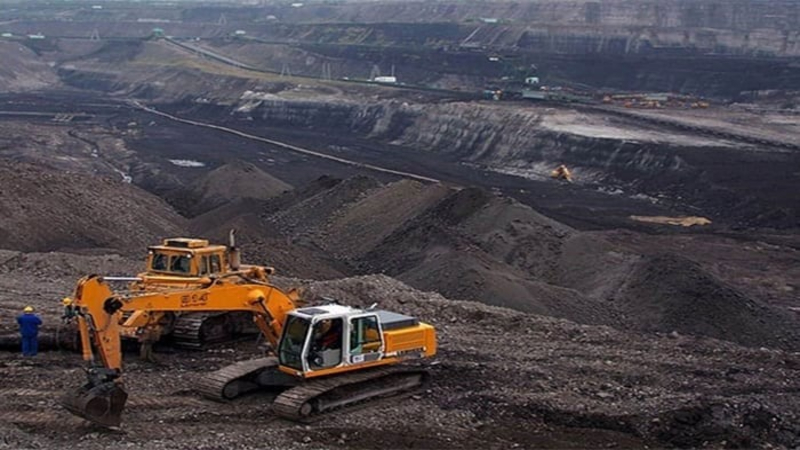
Mining projects represent one of the key areas of interest. Pakistan possesses significant reserves of minerals and natural resources, including copper, coal, and rare earth materials that are increasingly important for modern industrial supply chains. Foreign investment in mining infrastructure could help improve extraction technologies while expanding production capacity.
Technology collaboration was also highlighted as a central component of the proposed investment framework. The company’s experience in sectors such as artificial intelligence and drone systems could contribute to technology transfer and innovation partnerships within Pakistan’s industrial ecosystem.
Officials say the discussions indicate growing interest among Chinese private sector companies in participating in Pakistan’s industrial development beyond traditional infrastructure investments.
Industrial Investment Could Support Economic Expansion
Large scale foreign investment projects can play a significant role in supporting economic development, particularly in countries seeking to modernize industrial sectors and expand manufacturing capacity. Investments in mining and industrial production can generate employment opportunities while strengthening supply chains for key industries.
Pakistan’s government has been actively promoting policies designed to attract international investors across sectors such as energy, manufacturing, technology, and natural resources. The Board of Investment continues to engage with foreign companies interested in establishing operations or partnerships within the country.
Industrial projects backed by international investors often bring advanced technologies, management expertise, and global market connections. These elements can help domestic industries improve productivity and competitiveness.
The potential investment from the Chinese conglomerate could also support infrastructure development related to mining operations and manufacturing facilities. Projects of this scale typically involve supply chain logistics, engineering services, and workforce development programs.
If implemented successfully, such investments can contribute to broader economic activity by stimulating related sectors including transportation, construction, and services.
Technology Collaboration Highlights Emerging Innovation Opportunities
In addition to industrial projects, the Chinese company expressed interest in technology partnerships that could contribute to Pakistan’s digital transformation. Areas such as artificial intelligence, drone systems, and electric vehicle technologies were discussed as potential areas of cooperation.
Artificial intelligence applications are increasingly being integrated into industrial processes to improve efficiency, predictive maintenance, and operational decision making. Similarly, drone technology is being used in sectors such as mining, agriculture, and infrastructure monitoring to collect data and enhance operational oversight.
Electric vehicle technologies represent another rapidly growing sector within the global technology landscape. Partnerships in this field could support Pakistan’s efforts to develop cleaner transportation solutions and expand manufacturing capabilities for next generation automotive technologies.
Technology transfer and collaborative research programs may also become part of the broader investment framework. Such initiatives can help build local expertise in emerging technologies while encouraging innovation within domestic industries.
Government officials emphasize that international partnerships can accelerate technology adoption and support the development of skilled workforces capable of operating advanced industrial systems.
Skill Development and Workforce Training Included in Proposal
An important component of the proposed investment involves cooperation in workforce training and skill development programs. Representatives of the Chinese company indicated interest in supporting initiatives designed to enhance technical skills among Pakistan’s workforce.
Training programs could include partnerships with educational institutions and technical training centers to develop expertise in engineering, industrial technology, and digital systems. Skilled labor is considered essential for supporting large scale industrial projects and ensuring the sustainability of technology driven industries.
Workforce development initiatives may also focus on preparing workers to operate advanced machinery and digital platforms used in modern industrial environments. Building local technical expertise can help ensure that industrial investments create long term economic benefits beyond initial infrastructure construction.
Outlook
If the proposed investment moves forward, it could represent one of the largest private Chinese investment initiatives in Pakistan’s industrial sector. The project highlights growing interest in combining industrial development with advanced technologies to support economic modernization and long term growth.














 Artificial Intelligence4 months ago
 Football3 months ago
 Latest News7 months ago
 Latest News7 months ago
 Football3 months ago
 Latest News7 months ago
 Latest News7 months ago
 Latest News7 months ago