Automotive Tech & EVs
Electric Vehicles Accelerate Global Shift Away From Combustion Engines

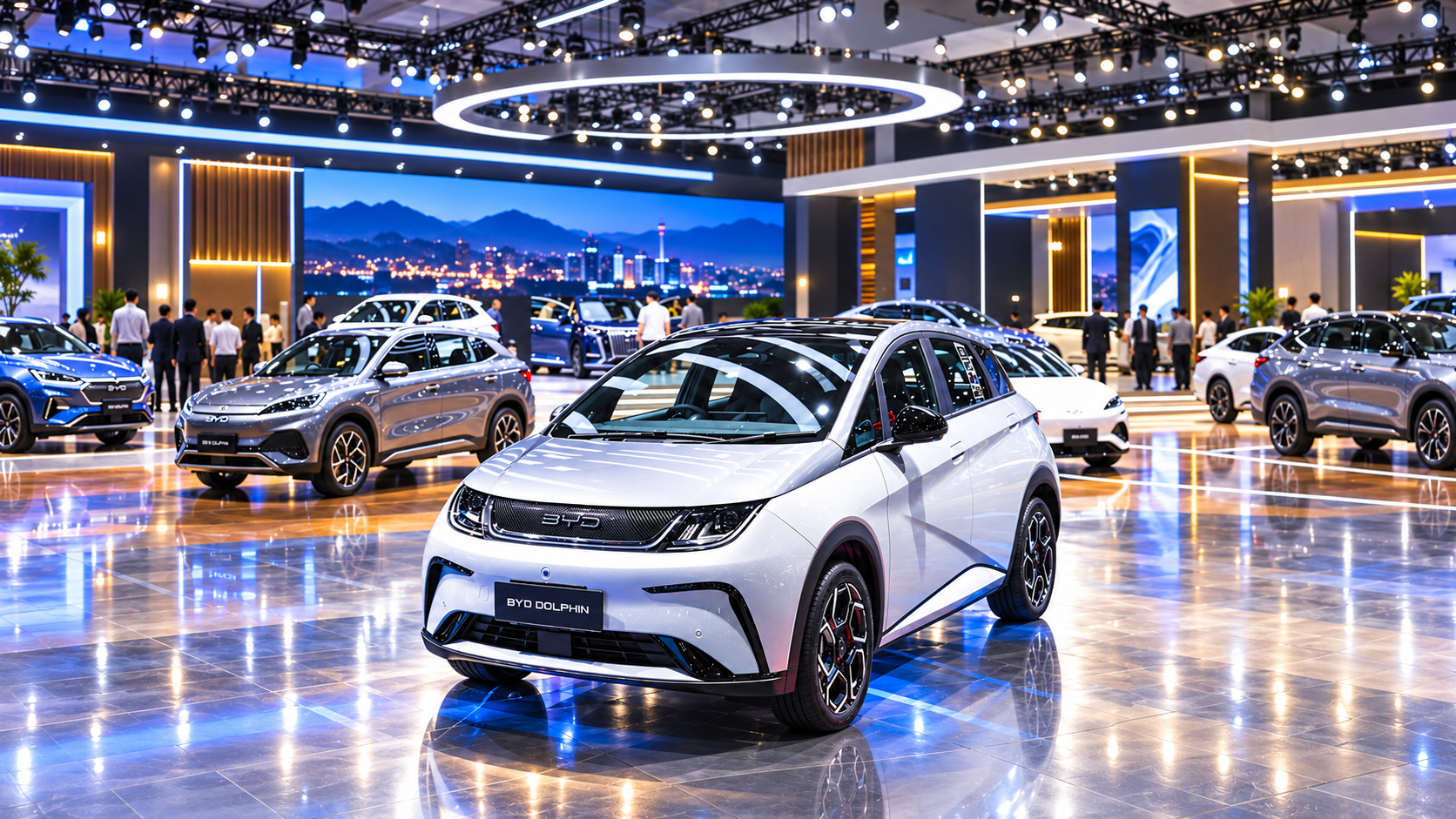
The global automotive industry is undergoing one of its most significant transformations as electric vehicles rapidly gain traction and accelerate the shift away from traditional internal combustion engines. Governments, automakers, and consumers are increasingly embracing electric mobility as concerns over climate change, fuel costs, and environmental sustainability grow worldwide. In 2026, electric vehicles are becoming a central pillar of modern transportation strategies as countries introduce stricter emission standards and invest heavily in clean energy infrastructure. The transition toward electrification is reshaping the future of the automotive sector, pushing manufacturers to rethink vehicle design, production strategies, and long-term mobility solutions.
One of the primary drivers behind the rise of electric vehicles is the global push to reduce carbon emissions. Transportation accounts for a large portion of global greenhouse gas output, prompting policymakers to implement regulations aimed at reducing reliance on fossil fuels. Several countries have announced plans to phase out the sale of new gasoline and diesel vehicles over the coming decades. These policies have encouraged automakers to accelerate their electric vehicle programs, with many major brands committing substantial investments to expand their EV product lines. As a result, consumers now have access to a wider variety of electric models, ranging from compact city cars to luxury SUVs.
Technological improvements in battery systems have played a crucial role in making electric vehicles more practical and appealing. Advances in lithium-ion battery technology have significantly increased the driving range of modern EVs while reducing charging times. Many new electric vehicles can now travel several hundred kilometers on a single charge, addressing one of the major concerns that previously discouraged potential buyers. In addition, research into next-generation battery technologies aims to further enhance energy density, improve durability, and lower production costs, which could make electric vehicles even more accessible to mainstream consumers.
The rapid expansion of charging infrastructure is another key factor supporting the global adoption of electric vehicles. Governments and private companies are investing in extensive networks of charging stations to ensure that drivers can recharge their vehicles conveniently during daily commutes or long-distance travel. Public charging points are increasingly available in urban areas, shopping centers, workplaces, and along major highways. Fast-charging technologies are also improving, allowing drivers to recharge a significant portion of their battery capacity in a relatively short time. These developments are helping reduce range anxiety and making EV ownership more practical for a growing number of drivers.
Automakers are also redesigning vehicle platforms specifically for electric powertrains. Unlike combustion engines, electric motors require fewer moving parts, which allows engineers to develop new vehicle architectures that maximize efficiency and interior space. Dedicated electric platforms support advanced technologies such as over-the-air software updates, improved energy management systems, and enhanced driver assistance features. These innovations are helping electric vehicles compete not only on environmental benefits but also on performance, technology integration, and driving experience.
Consumer attitudes toward electric vehicles are also evolving as awareness of sustainability and long-term cost savings increases. While the initial purchase price of electric vehicles can sometimes be higher than conventional cars, lower fuel costs and reduced maintenance requirements can lead to savings over time. Government incentives, including tax credits and subsidies, are further encouraging consumers to consider electric options when purchasing new vehicles.
As the automotive industry continues to transition toward electrification, electric vehicles are expected to play an increasingly dominant role in global transportation systems. With continued innovation in battery technology, expanding charging networks, and strong regulatory support, the shift away from combustion engines is likely to accelerate in the years ahead. The rise of electric vehicles represents a major milestone in the evolution of modern mobility and the global effort to build a more sustainable transportation future.

Automotive Tech & EVs
Autonomous Driving Technology Advances With AI Integration

Autonomous driving technology is advancing rapidly as artificial intelligence becomes a central component in the development of self-driving vehicles. Automakers and technology companies are investing heavily in AI-powered systems designed to help vehicles navigate roads, detect obstacles, and make real-time driving decisions without human intervention. In 2026, autonomous driving is moving closer to mainstream adoption as improvements in machine learning, sensor technology, and computing power continue to enhance vehicle safety and performance. While fully self-driving cars are still under development, many vehicles already feature advanced driver assistance systems that rely on artificial intelligence to support drivers during complex driving situations.
Artificial intelligence plays a critical role in enabling autonomous vehicles to understand and respond to their surroundings. Self-driving systems rely on a combination of sensors, cameras, radar, and lidar technology to collect data about the environment around the vehicle. AI algorithms process this information in real time, allowing the vehicle to identify road signs, traffic signals, pedestrians, and other vehicles. By analyzing these inputs, the system can make decisions about acceleration, braking, and steering while maintaining safe distances from surrounding traffic. Continuous improvements in AI training models are helping vehicles recognize increasingly complex traffic scenarios.
Machine learning is also helping autonomous systems improve through data collection and real-world testing. Each autonomous vehicle generates large amounts of driving data that can be used to refine AI models and improve decision-making accuracy. Developers use simulation environments and real-world driving tests to train algorithms under various road conditions, weather patterns, and traffic situations. This constant feedback loop allows self-driving systems to become more reliable over time as they learn from millions of kilometers of driving data collected from test vehicles and production models.
Many modern vehicles already include partial autonomous features designed to assist drivers. These features include adaptive cruise control, lane-keeping assistance, automated parking systems, and collision avoidance technology. While these systems still require human supervision, they represent important steps toward fully autonomous driving. Automotive manufacturers are gradually integrating higher levels of automation as regulatory frameworks and safety standards continue to evolve. The ultimate goal is to create vehicles capable of operating independently in most driving environments while maintaining the highest safety standards.
Autonomous driving technology also has the potential to transform transportation systems beyond personal vehicles. Self-driving technology is being explored for use in public transportation, logistics, and delivery services. Autonomous trucks and delivery vehicles could improve efficiency in supply chains, while self-driving taxis may reshape urban mobility by offering on-demand transportation without human drivers. These developments could reduce traffic congestion, improve road safety, and lower operational costs across various transportation sectors.
Despite rapid progress, several challenges remain before fully autonomous vehicles become widely available. Safety validation, regulatory approval, and infrastructure readiness are key factors that must be addressed before large-scale deployment can occur. Governments and industry leaders are working together to establish standards that ensure autonomous systems operate safely alongside human-driven vehicles. Ethical considerations and cybersecurity protections are also critical aspects of the ongoing development process.
As artificial intelligence continues to evolve, autonomous driving technology is expected to play an increasingly important role in the future of mobility. Continued innovation in AI algorithms, sensor systems, and vehicle connectivity will likely bring self-driving technology closer to everyday reality. While the journey toward fully autonomous transportation is still ongoing, the integration of artificial intelligence is already transforming how vehicles operate and how people think about mobility in the modern world.
Automotive Tech & EVs
The Future of Sustainable Mobility and Smart Transportation

The future of global transportation is being shaped by the growing demand for sustainable mobility and smarter urban infrastructure. As cities expand and environmental concerns intensify, governments, technology companies, and automakers are working together to develop transportation systems that are cleaner, more efficient, and better connected. In 2026, sustainable mobility is no longer just an environmental initiative but a major transformation in how people and goods move across cities and regions. Electric vehicles, intelligent traffic systems, and shared mobility platforms are becoming central components of modern transportation strategies designed to reduce emissions and improve urban living.
Electric vehicles are playing a critical role in the transition toward sustainable transportation. As countries introduce stricter emissions regulations and climate targets, automakers are accelerating the development of electric cars, buses, and commercial vehicles. These vehicles produce zero tailpipe emissions and can be powered by renewable energy sources, making them an important tool in reducing air pollution and greenhouse gas emissions. Many cities are also electrifying public transport fleets, including buses and taxis, as part of broader efforts to create low-emission transportation networks.
Smart transportation technology is also transforming how traffic is managed and how vehicles interact with infrastructure. Intelligent traffic management systems powered by data analytics and artificial intelligence can monitor traffic conditions in real time and adjust signals to reduce congestion. Connected vehicles are being developed to communicate with traffic lights, road sensors, and other vehicles, creating a more coordinated transportation environment. These technologies aim to improve road safety, reduce travel time, and make transportation networks more efficient for both drivers and public transit systems.
Shared mobility services are another important element in the development of sustainable transportation systems. Ride-sharing platforms, car-sharing services, and micro-mobility solutions such as electric scooters and bicycles are offering alternatives to private car ownership. These services allow people to access transportation when needed without the costs and environmental impact associated with maintaining personal vehicles. Urban planners see shared mobility as a way to reduce traffic congestion and parking demand while promoting more flexible transportation options for city residents.
Advancements in digital infrastructure are further supporting the growth of smart mobility. Mobile applications and integrated transportation platforms allow users to plan routes, compare transportation options, and manage payments through a single digital interface. Some cities are experimenting with integrated mobility systems that combine public transportation, shared vehicles, and micro-mobility services into unified networks. These platforms provide travelers with real-time information and encourage the use of more sustainable transportation modes.
Sustainable mobility initiatives are also closely linked to urban planning and environmental policy. Cities around the world are redesigning streets to prioritize public transport, cycling lanes, and pedestrian pathways. Investments in clean energy infrastructure, including renewable-powered charging stations, are helping support the electrification of transportation. Governments are also encouraging innovation through funding programs and partnerships aimed at developing advanced mobility technologies.
Looking ahead, the integration of electric vehicles, intelligent infrastructure, and shared transportation services is expected to redefine how mobility systems operate in modern cities. Sustainable mobility strategies aim to balance environmental responsibility with economic growth and urban efficiency. As technology continues to evolve and infrastructure improves, smart transportation systems are likely to become a defining feature of future cities, creating cleaner, safer, and more efficient ways for people to move.
Automotive Tech & EVs
Global Automakers Race to Build the Fastest Charging EV Networks

The global electric vehicle industry is entering a new phase of competition as automakers race to develop faster and more extensive charging networks to support the rapid growth of electric mobility. As electric vehicles become more popular worldwide, reliable and efficient charging infrastructure has become one of the most critical factors influencing consumer adoption. In 2026, major automotive companies, energy providers, and technology firms are investing billions of dollars to build high-speed charging stations capable of dramatically reducing charging times. This global effort aims to make electric vehicle ownership more convenient and eliminate one of the biggest concerns for potential buyers—charging accessibility.
Fast-charging technology has advanced significantly in recent years, allowing electric vehicles to recharge much more quickly than before. Early EV charging systems often required several hours to fully charge a vehicle battery, but modern high-powered chargers can now restore a large portion of battery capacity in less than thirty minutes. Some next-generation charging systems are designed to deliver ultra-fast charging speeds that could add hundreds of kilometers of driving range in a short stop. These improvements are helping electric vehicles become more practical for long-distance travel and everyday commuting.
Automakers are increasingly collaborating with energy companies and infrastructure providers to expand charging networks across major markets. Several international partnerships have been formed to deploy thousands of fast-charging stations along highways, urban centers, and key transportation corridors. These stations are designed to support multiple vehicle models and provide consistent charging performance across different regions. The goal is to create a seamless charging experience for drivers regardless of where they travel, ensuring that EV users have reliable access to power during long journeys.
The expansion of charging networks is also being supported by government initiatives and public investment programs. Many countries have introduced policies aimed at accelerating the development of EV infrastructure as part of broader climate and energy strategies. Funding programs, tax incentives, and regulatory frameworks are encouraging private companies to invest in charging stations and related technologies. Governments recognize that widespread charging availability is essential for achieving long-term goals related to carbon emissions reduction and sustainable transportation.
Technological innovation is playing a key role in improving charging performance and efficiency. Advances in battery management systems, power electronics, and charging connectors are helping vehicles handle higher charging speeds safely. Some manufacturers are developing vehicles with advanced battery architectures that support extremely high power inputs without damaging the battery. In addition, smart charging systems are being introduced to manage electricity demand more efficiently, allowing charging stations to balance energy loads and reduce strain on power grids.
The competition to build the fastest and most accessible EV charging networks is also shaping the broader electric vehicle market. Automakers that offer reliable charging solutions alongside their vehicles are gaining a competitive advantage in attracting new customers. Many manufacturers are integrating charging services directly into their vehicle ecosystems, allowing drivers to locate stations, plan routes, and manage payments through digital applications connected to their vehicles.
As electric vehicle adoption continues to expand globally, charging infrastructure will remain a crucial component of the transition toward clean mobility. Industry experts expect the development of ultra-fast charging networks to accelerate further as technology improves and investments increase. With continued collaboration between automakers, energy companies, and governments, the race to build the fastest charging EV networks is likely to play a central role in shaping the future of transportation.

USDC Circulation Expands as Stablecoin Liquidity Reenters Global Crypto Markets

Emerging Markets Turn to USDT for Cross Border Transactions as Dollar Liquidity Tightens

Crypto Liquidity and Capital Flows: Could Rising USDT Activity Influence Pakistan’s Equity Markets
Trending
PSX1 month agoCrypto Liquidity and Capital Flows: Could Rising USDT Activity Influence Pakistan’s Equity Markets
PSX1 month agoPSX Bloodbath as KSE100 Plunges Over 13,000 Points After Trading Resumes
PSX1 month agoPSX Plunges Over 11,000 Points as Middle East Tensions Shake Markets
PSX1 month agoKSE 100 Drops Over 1,300 Points After Early Session Recovery
Crypto1 month agoEthereum Tests ‘DVT-Lite’ System to Simplify Validator Setup for Institutional Staking
PSX1 month agoPSX Trading Halted After KSE30 Triggers Market Circuit Breaker
Local Affairs1 month agoPakistan’s Provincial Governments Accelerate Urban Development Plans
Global Affairs1 month agoGlobal Power Shifts Reshape Diplomacy as Emerging Alliances Redefine International Order