Football Business
Iran Women Footballers Seek Protection in Australia Amid Asian Cup Controversy

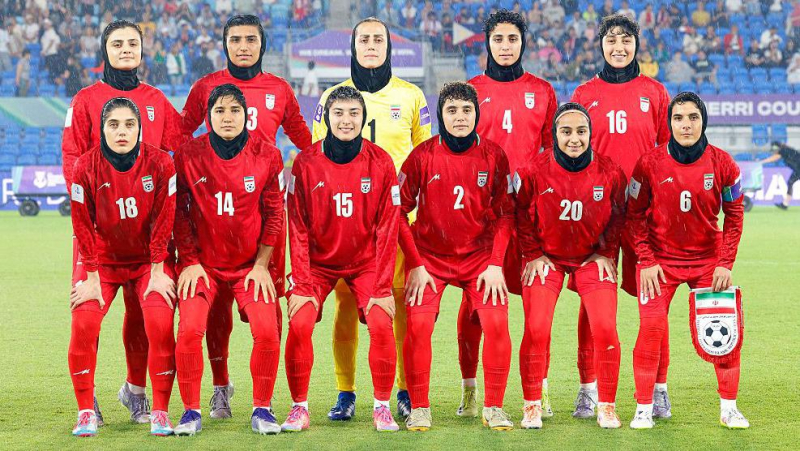
Five members of Iran’s women’s national football team have reportedly received protection in Australia after concerns emerged about potential repercussions they might face upon returning home. The situation developed during the AFC Women’s Asian Cup tournament held in Queensland, where the team’s actions during the national anthem sparked political and humanitarian concerns. United States President Donald Trump stated that Australian authorities had already “taken care of” several players who were believed to be seeking protection. The developments have drawn global attention as international sports organizations and human rights advocates monitor the safety of the athletes involved.
The controversy highlights the intersection of sports, politics and human rights that sometimes surrounds international sporting events.
Anthem Silence Sparked Global Attention
The situation began when members of the Iranian women’s national football team stood in silence during their national anthem before their opening match of the AFC Women’s Asian Cup. The gesture quickly attracted international attention and sparked criticism from state media in Iran.
A commentator on Iranian state broadcasting reportedly described the act as dishonourable, increasing concerns about the potential consequences for the players when they return home. The incident occurred at a time of heightened political tension following military conflict involving Iran and its regional adversaries.
During their second match of the tournament against Australia the Iranian team sang the national anthem and saluted before kickoff. Human rights observers suggested that the change may have resulted from pressure placed on the players during the tournament.
The events have intensified discussions about athlete safety and freedom of expression in international sports competitions.
Reports of Players Seeking Protection in Australia
Local media reports indicated that several members of the Iranian squad sought assistance from Australian authorities after the tournament. According to reports five players were placed under the protection of Australian federal authorities while their cases were being assessed.
The situation prompted diplomatic discussions between governments as well as attention from international football organizations and player advocacy groups. The Australian government has not confirmed the identities of the athletes involved and officials have declined to comment on individual cases citing privacy considerations.
However government representatives have acknowledged that they are aware of the situation and are monitoring developments carefully.
FIFPRO Raises Concerns Over Player Safety
The global football players’ union FIFPRO expressed serious concern about the welfare of the Iranian athletes following the controversy surrounding the national anthem incident. The organization warned that the players could face punishment or political pressure upon returning to Iran.
FIFPRO stated that protecting athletes should remain a priority for international sports organizations and governments when situations arise that could endanger players’ safety. The union emphasized the importance of ensuring that athletes participating in international tournaments are able to compete without fear of reprisal.
Player advocacy groups have increasingly raised concerns about political pressure affecting athletes representing countries involved in geopolitical conflicts.
Political Leaders Involved in Discussions
The situation also drew attention from political leaders in several countries. U.S. President Donald Trump stated that he had spoken with Australian Prime Minister Anthony Albanese regarding the situation and encouraged the government to offer asylum to the players if necessary.
Trump argued that forcing the players to return to Iran could place them at serious risk. He said that several players had already received assistance while others were reportedly considering their options depending on the safety of their families in Iran.
Australian officials have so far refrained from publicly discussing the details of the case but confirmed that appropriate authorities are reviewing the matter.
Iran’s Participation in the AFC Women’s Asian Cup
The Iranian women’s team participated in the 2026 AFC Women’s Asian Cup held on Australia’s Gold Coast. The tournament featured several Asian national teams competing for continental honors and qualification opportunities for future international competitions.
Iran was eliminated from the tournament after losing their final group stage match against the Philippines. Despite their early exit the team’s participation became one of the most widely discussed topics of the competition due to the off field developments involving player safety.
The episode has once again highlighted the complex relationship between international sports events and political tensions.
Outlook for the Players and International Football
The future of the players involved remains uncertain as authorities review their circumstances and determine possible next steps. International sports organizations and human rights groups are expected to continue monitoring the situation closely.
The incident also raises broader questions about how sporting institutions handle cases where athletes may face political risks when competing internationally. Ensuring the safety and freedom of athletes will remain an important issue for global football governing bodies in the years ahead.

You may like
Football Business
Pakistan and Saudi Arabia Discuss Cooperation to Strengthen Football Development

Pakistan and Saudi Arabia have initiated discussions aimed at strengthening cooperation in football development as both countries explore new opportunities to promote the sport through joint initiatives and institutional partnerships. The discussions took place during a meeting between Pakistan Football Federation president Syed Mohsen Gilani and Saudi Arabia’s ambassador to Pakistan Nawaf bin Saeed Al-Maliki in Islamabad. Officials from both sides highlighted the importance of sports collaboration in building stronger bilateral relations while also supporting the long term development of football in Pakistan.
The meeting focused on expanding cooperation through training programmes, exchange initiatives and infrastructure support designed to strengthen football structures across the country. Pakistan’s football authorities believe that international partnerships can play an important role in accelerating progress for the sport at both grassroots and professional levels.
Pakistan Football Federation Targets Long Term Development Strategy
The Pakistan Football Federation has been working to rebuild and expand the country’s football ecosystem following years of administrative challenges that slowed the growth of the sport. Federation officials have identified grassroots development as a key priority in their strategy to improve Pakistan’s international competitiveness.
During the meeting Gilani emphasized that Pakistan possesses significant football talent that requires proper training systems and infrastructure to flourish. According to the federation’s leadership the long term goal is to create a sustainable pathway that allows young players to progress from grassroots academies to professional football opportunities.
The federation is currently implementing development plans aimed at strengthening coaching education programmes, improving local football facilities and increasing competitive opportunities for youth players across the country. Officials believe that international collaboration will provide valuable expertise and resources needed to achieve these objectives.
Training and Exchange Programs Proposed
One of the key topics discussed during the meeting was the possibility of introducing training and exchange programmes between Pakistan and Saudi Arabia. These initiatives could include coaching workshops, youth player exchanges and joint football development camps designed to improve technical standards within Pakistan’s football system.
Training programmes involving experienced coaches from international football environments can help local players and coaches learn modern techniques and tactical approaches used in professional football. Exchange programmes also provide young athletes with opportunities to compete against stronger international opponents and gain valuable experience.
Officials indicated that friendly matches between clubs and national teams from both countries could also form part of the cooperation framework. Such competitions would provide exposure for Pakistani players and help build competitive confidence.
Saudi Arabia’s Growing Influence in Global Football
Saudi Arabia has become increasingly active in international football development and investment in recent years. The country has launched several initiatives aimed at expanding its influence within global sport while also supporting football programs across different regions.
Through partnerships with international federations and sports organizations Saudi Arabia has invested heavily in infrastructure development, training programs and sports promotion initiatives. These efforts form part of broader national strategies aimed at expanding the country’s global sports presence.
Saudi officials indicated that supporting football development in Pakistan aligns with their goal of strengthening regional sports cooperation and building long term relationships through athletic exchange programs.
Sports Diplomacy Strengthens Bilateral Relations
Sports diplomacy has increasingly become a tool for strengthening international relationships between countries. Football in particular provides opportunities for cultural exchange and cooperation because of its global popularity and ability to connect communities.
During the meeting Ambassador Nawaf bin Saeed Al-Maliki emphasized that sports collaboration plays an important role in strengthening ties between Pakistan and Saudi Arabia. He reaffirmed Saudi Arabia’s commitment to supporting initiatives that contribute to the growth of football in Pakistan.
Both sides expressed optimism that joint programs in sports development would strengthen cooperation not only at the institutional level but also among athletes, coaches and football communities in both countries.
Infrastructure and Youth Development Key Priorities
Pakistan’s football leadership has identified infrastructure improvement as another essential component of its development strategy. Expanding access to quality training facilities and football academies is considered critical for nurturing young talent across the country.
The federation aims to establish more structured youth leagues and development centers that allow players to compete regularly and develop their skills from an early age. Cooperation with international partners can provide valuable technical expertise and funding support needed to implement such programs.
Investment in youth development is also expected to strengthen Pakistan’s ability to compete in regional and international tournaments in the future.
Outlook for Pakistan Football Development
The discussions between Pakistan and Saudi Arabia represent an important step toward strengthening football development through international cooperation. By combining expertise, training resources and competitive opportunities both countries hope to create new pathways for the growth of the sport.
Pakistan’s football authorities believe that sustained collaboration with international partners will help accelerate the development of football infrastructure and raise the competitive level of the national team over the coming years.
Football Business
Xavi Claims Laporta Blocked Messi’s Barcelona Return to Avoid Power Struggle

Former Barcelona coach Xavi Hernandez has revealed that Lionel Messi’s potential return to the Spanish club in 2023 was blocked by club president Joan Laporta despite financial approval from La Liga. According to Xavi, the move was halted not because of economic restrictions but due to concerns about internal power dynamics within the club. The statement has reignited debate about one of the most significant missed transfers in modern football, as Messi eventually joined Major League Soccer side Inter Miami after leaving Paris Saint Germain. The eight time Ballon d’Or winner remains Barcelona’s greatest player and his possible return had generated enormous excitement among supporters and global football audiences.
The revelations highlight the complex mixture of sporting ambition, club politics and financial considerations that often shape major decisions within elite football organizations.
Xavi Reveals Messi Wanted to Return to Barcelona
Xavi explained that discussions with Lionel Messi about a potential return to Barcelona began shortly after Argentina’s triumph at the FIFA World Cup in Qatar. According to the former coach, Messi expressed a clear interest in returning to the club where he spent the majority of his legendary career. The Barcelona coaching staff believed the move was possible after receiving financial approval from La Liga authorities. Spanish league regulations had previously limited Barcelona’s ability to sign players due to strict financial control rules designed to maintain competitive balance among clubs. Xavi stated that from a sporting perspective the club was fully prepared to bring Messi back to the Camp Nou. He described the idea as a symbolic final chapter in Messi’s Barcelona career similar to a farewell tour that would celebrate the legacy of one of football’s greatest players. However the discussions reportedly ended abruptly after internal opposition emerged within the club’s leadership.
Laporta Allegedly Opposed the Transfer
According to Xavi, Barcelona president Joan Laporta ultimately rejected the plan to bring Messi back to the club. The former coach claimed Laporta expressed concerns that the return of the Argentine superstar could lead to internal tensions and a potential struggle for influence within the organization. Xavi said Laporta told him directly that Messi’s return could create a situation where the player would challenge the authority of the club’s leadership. The president reportedly feared that the presence of such a powerful figure could complicate decision making within the club’s management structure. Following this decision communication between Messi and Barcelona reportedly stopped. Xavi indicated that the player eventually stopped responding to calls once he was informed that the move would not go ahead. The decision effectively ended hopes of Messi returning to the club where he achieved the greatest successes of his career.
Laporta Responds to Xavi’s Claims
Joan Laporta has responded publicly to Xavi’s comments and rejected the suggestion that he personally blocked Messi’s return. The Barcelona president argued that the final decision came from Messi’s family rather than the club’s leadership. Laporta said Messi’s father and agent Jorge Messi visited him and explained that returning to Barcelona would create too much pressure on the player. According to Laporta the family ultimately decided that continuing his career elsewhere would be the better option. The disagreement highlights the differing narratives surrounding the failed transfer. While Xavi maintains that the club leadership stopped the move, Laporta insists that the player’s camp chose not to proceed. The debate reflects the often complex negotiations that occur behind the scenes during high profile football transfers.
Messi’s Legacy at Barcelona Remains Historic
Lionel Messi remains the most successful player in Barcelona’s history. During his time at the club he scored 672 goals and won a record 34 trophies including multiple La Liga titles and UEFA Champions League victories. Messi’s departure in 2021 was largely driven by Barcelona’s severe financial difficulties at the time. The club was unable to renew his contract due to strict salary regulations imposed by La Liga following years of financial mismanagement. His exit marked the end of one of the most successful partnerships between a player and a club in football history. Supporters around the world hoped the Argentine icon would eventually return for a final chapter at the Camp Nou.
Barcelona Continues Building a New Era
While the possibility of Messi’s return remains uncertain, Barcelona is currently focusing on building a new generation of players under the leadership of coach Hansi Flick. The club’s management believes the team can compete successfully with its current squad and emerging young talents. Laporta recently stated that he believes Barcelona is capable of winning major titles with its current lineup. The club has invested heavily in youth development and continues to rely on players from its renowned La Masia academy. Barcelona’s long term strategy aims to restore sporting success while maintaining financial stability after years of economic challenges.
Outlook for Barcelona and Messi’s Future
The debate over Messi’s blocked return highlights the challenges faced by major football clubs when balancing sporting ambition with internal management decisions. While the opportunity for Messi to play again at Barcelona may have passed, his influence on the club’s identity and global brand remains enormous. As Barcelona continues its rebuilding process, the legacy of Messi’s extraordinary career will remain central to the club’s history and global reputation.
Football Business
Argentina’s Football Brand Leads Global Rankings as AFA Expands Commercial Power

Argentina’s influence in world football continues to grow beyond the pitch as the Argentine Football Association has been ranked the strongest national football brand globally. According to a report published by international brand valuation consultancy Brand Finance, the governing body of Argentine football currently holds the highest brand strength rating among national football organizations. The recognition highlights the commercial and cultural impact of the reigning world champions, whose success in recent international tournaments has significantly strengthened their global reputation. The report places the Argentine Football Association ahead of other major football powers including Brazil, Germany, France and England, confirming that Argentina’s dominance now extends into the business side of the sport.
The findings were presented during a joint event organized by the Argentine Football Association and Brand Finance in New York City, where executives and industry experts discussed the growing international reach of Argentina’s national football brand.
AFA Achieves Highest Football Brand Strength Score
The Brand Finance analysis ranked the Argentine Football Association with a brand strength index score of 90.7 out of 100, the highest among national football organizations worldwide. The ranking evaluates multiple factors including brand reputation, fan engagement, global visibility and commercial performance.
Argentina’s recent sporting success has played a major role in strengthening the value of its football brand. The national team’s victory in the FIFA World Cup and its continued presence in international competitions have elevated the country’s football image across global markets.
Brand strength also reflects emotional connection with supporters. Argentina’s football culture, identity and passionate fan base contribute to a unique global appeal that distinguishes the national team from many other football organizations.
The combination of sporting achievement and cultural influence has allowed the AFA to build one of the most recognizable identities in international football.
Football Federation Evolves Into Global Brand
The Argentine Football Association has increasingly positioned itself as a global sports brand rather than simply a governing body for football in Argentina. In recent years the organization has expanded its international marketing strategy through commercial partnerships, global promotional tours and digital engagement with fans.
Brand Finance executives highlighted that the AFA now competes in the same global brand environment as multinational corporations and entertainment platforms. The organization’s brand recognition is comparable with major global companies known for their international presence and cultural influence.
The transformation reflects a broader trend in modern sports where national teams and sports federations operate as global entertainment brands capable of generating significant commercial revenue.
Leadership Highlights Global Cultural Influence
Laurence Newell, Managing Director of Brand Finance Americas, emphasized that the strength of the Argentine football brand goes beyond athletic results. According to Newell the AFA has built a brand identity that resonates strongly with audiences around the world.
He noted that very few organizations inside or outside sport achieve such a powerful combination of emotional connection and international recognition. The brand value of Argentina’s national team reflects decades of football tradition combined with recent sporting success that has reinforced its position at the top of the global game.
Industry analysts suggest that a strong brand identity can significantly increase commercial opportunities in areas such as sponsorship, broadcasting partnerships and global marketing campaigns.
Commercial Strategy Expands Argentina’s Global Reach
The Argentine Football Association has been actively investing in commercial growth initiatives aimed at strengthening its international presence. These include partnerships with global sponsors, expansion of football academies and development of youth training infrastructure.
Leandro Petersen, the AFA’s Commercial and Marketing Director, explained that the national team has become one of the most important ambassadors for Argentina on the global stage. According to Petersen the organization’s international strategy focuses on building long term partnerships and increasing engagement with global audiences.
The AFA’s leadership believes that sustained investment in youth development programs and international training centers will help maintain the team’s competitive performance while strengthening its commercial brand.
Major Technology Partnership Signals Business Expansion
As part of its ongoing commercial expansion the Argentine Football Association recently announced a new global sponsorship agreement with technology company Google. The partnership will feature the company’s artificial intelligence platform Gemini as a primary sponsor of the national team.
Under the agreement the Gemini logo will appear on Argentina’s training equipment used by the reigning world champions. The collaboration reflects the growing involvement of technology companies in sports sponsorship and highlights the increasing commercial value of successful national teams.
Partnerships with global technology brands provide sports organizations with access to new marketing platforms, digital innovation and expanded global audiences.
Global Football Brand Positioned for Future Growth
Argentina’s football brand is expected to continue expanding as the team prepares for upcoming international tournaments including the next FIFA World Cup scheduled to be hosted in North America. The tournament will take place across the United States, Mexico and Canada, offering another major opportunity for the Argentine Football Association to strengthen its international commercial presence.
Football marketing experts believe the AFA’s current brand strength provides a strong foundation for future sponsorship deals, global partnerships and fan engagement initiatives. However maintaining leadership in global brand rankings will require continuous investment in both sporting performance and commercial strategy.
The organization’s leadership has emphasized that building a global football brand requires long term vision and consistent development both on and off the field.
Outlook for Argentina’s Global Football Brand
Argentina’s recognition as the strongest national football brand demonstrates how sporting success can translate into significant commercial influence. The Argentine Football Association has leveraged its recent achievements to build a global brand that resonates with fans, sponsors and international partners.
As the sport continues to evolve into a global entertainment industry, organizations capable of combining sporting excellence with strategic commercial growth are likely to dominate both the pitch and the business landscape of football.

USDC Circulation Expands as Stablecoin Liquidity Reenters Global Crypto Markets

Emerging Markets Turn to USDT for Cross Border Transactions as Dollar Liquidity Tightens

Crypto Liquidity and Capital Flows: Could Rising USDT Activity Influence Pakistan’s Equity Markets
Trending
PSX1 month agoCrypto Liquidity and Capital Flows: Could Rising USDT Activity Influence Pakistan’s Equity Markets
PSX1 month agoPSX Bloodbath as KSE100 Plunges Over 13,000 Points After Trading Resumes
PSX1 month agoPSX Plunges Over 11,000 Points as Middle East Tensions Shake Markets
PSX1 month agoKSE 100 Drops Over 1,300 Points After Early Session Recovery
PSX1 month agoPSX Trading Halted After KSE30 Triggers Market Circuit Breaker
Crypto1 month agoEthereum Tests ‘DVT-Lite’ System to Simplify Validator Setup for Institutional Staking
Local Affairs1 month agoPakistan’s Provincial Governments Accelerate Urban Development Plans
Global Affairs1 month agoGlobal Power Shifts Reshape Diplomacy as Emerging Alliances Redefine International Order