
Commercial
Netflix Declines NRL Broadcast Rights Bid as League Targets $4 Billion Media Deal
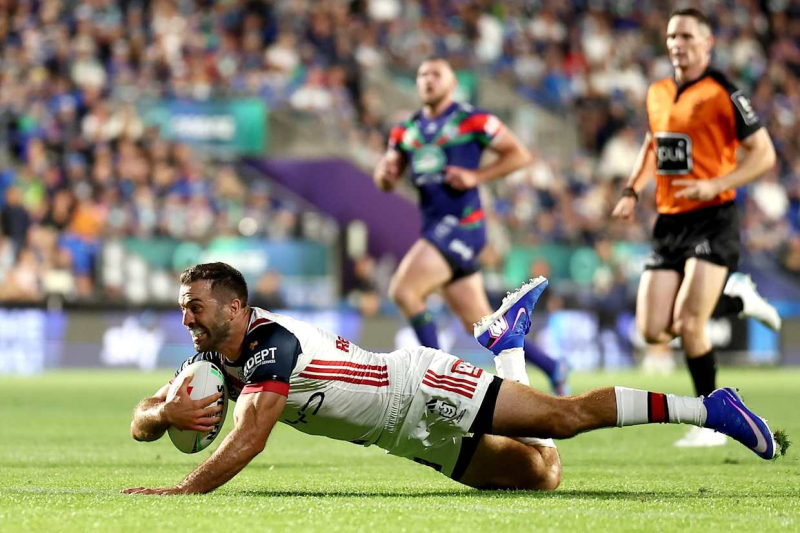
Netflix has ruled itself out of the upcoming bidding process for the National Rugby League’s next broadcast rights agreement, removing one of the world’s largest streaming companies from contention as the league pursues a record media deal. The decision comes at a time when the NRL is seeking to secure a new television and streaming rights agreement reportedly worth more than $4 billion over the next cycle. League officials believe strong demand from broadcasters and digital platforms could drive the value of the deal to unprecedented levels. However the absence of Netflix from the bidding process may alter the competitive dynamics among media companies hoping to secure the rights to one of Australia’s most popular sporting competitions.
The negotiations are being closely watched across the sports broadcasting industry because live sports rights remain one of the most valuable forms of television and streaming content globally.
Netflix Strategy Focuses on Major Sporting Events
Netflix confirmed it would not submit a bid for the NRL broadcasting rights as the company continues to focus its sports strategy on high profile single events rather than full seasonal competitions. According to the company’s global sports executive Brandon Riegg the streaming giant prefers to invest in events that generate global interest and immediate audience attention rather than long running domestic leagues.
In recent years Netflix has experimented with live sports broadcasts by streaming selected marquee events. These include a high profile boxing match between Mike Tyson and Jake Paul and National Football League games played on Christmas Day in the United States. The company has also expanded its sports coverage internationally with events such as the World Baseball Classic in Japan.
Riegg explained that Netflix’s strategy is designed to create programming that attracts viewers who might otherwise spend their time watching popular series or films on the platform. Large one off sporting events generate significant global interest and fit more closely with the company’s entertainment driven content strategy.
NRL Pursues Record Breaking Broadcasting Agreement
The National Rugby League is aiming to secure a historic broadcasting agreement that could reshape the financial landscape of rugby league in Australia. Australian Rugby League Commission chairman Peter V’landys has stated that negotiations for the next rights cycle are expected to conclude within the next three months.
League officials are seeking a deal valued at more than $4 billion over five years, which would exceed the current NRL agreement and potentially rival the Australian Football League’s six year broadcasting deal worth approximately $4.5 billion. The existing NRL media agreement already generates more than $2 billion when including broadcasting rights in both Australia and New Zealand.
The league believes several factors could increase the value of its next media contract. These include the addition of two new expansion teams and the growing international visibility of the competition through events such as the season opening matches held in Las Vegas.
Expansion and Global Promotion Increase Media Value
NRL executives believe the league’s expansion strategy could make the upcoming rights deal more attractive to broadcasters. The introduction of new teams such as the Perth Bears and the PNG Chiefs is expected to expand the competition’s audience and create additional match inventory for television networks.
At the same time the league has been investing heavily in global promotion to attract international interest in the sport. The launch of the NRL season in Las Vegas has drawn attention from international audiences and demonstrated the league’s ambition to grow beyond its traditional domestic markets.
Sports media analysts note that increasing the number of teams and matches often strengthens the commercial value of sports broadcasting deals. More games provide broadcasters with additional content that can be distributed across multiple platforms and time zones.
Streaming Platforms Become Key Players in Sports Media
The rapid growth of global streaming platforms has transformed the sports broadcasting landscape in recent years. Companies such as Amazon Prime Video, Paramount Plus and Disney have increasingly competed with traditional television networks for rights to major sporting events.
NRL executives previously suggested that international streaming companies could play a significant role in the upcoming rights negotiations. The league believes that the entry of global technology companies into sports broadcasting has increased competition and could drive higher media rights valuations.
However the decision by Netflix to withdraw from the bidding process removes one potential competitor from the market. Some analysts believe this development may benefit existing broadcasters such as Nine Entertainment and Foxtel, which currently hold significant rights to rugby league coverage.
Broadcasters Weigh Costs Against Audience Value
Traditional broadcasters continue to view live sport as one of the most valuable forms of programming because it attracts large audiences and generates significant advertising revenue. In Australia millions of viewers watch live sporting events across free to air networks and digital platforms each year.
Industry data indicates that more than twenty million viewers tuned in to major summer sports broadcasts across Australia’s leading television networks. Online streaming of those events has also increased rapidly as viewers increasingly watch sport through digital platforms.
Subscription based services such as Foxtel’s Kayo Sports platform rely heavily on live sports content to attract and retain subscribers. These companies often consider sports rights essential for maintaining their customer base in a highly competitive media environment.
Outlook for the Upcoming NRL Broadcast Deal
Despite Netflix’s decision to stay out of the bidding process the NRL remains confident that strong competition among broadcasters and streaming platforms will deliver a record breaking media agreement. Negotiations are expected to continue with several potential partners including existing broadcasters and international streaming companies.
The final outcome of the rights negotiations will determine how rugby league is broadcast to audiences across Australia and internationally for the next decade. For the NRL securing a major broadcasting agreement is essential for funding the league’s expansion plans and supporting the long term development of the sport.
You may like
Commercial
New U.S. Bill Aims to Unlock $9 Billion in Media Revenue for College Sports
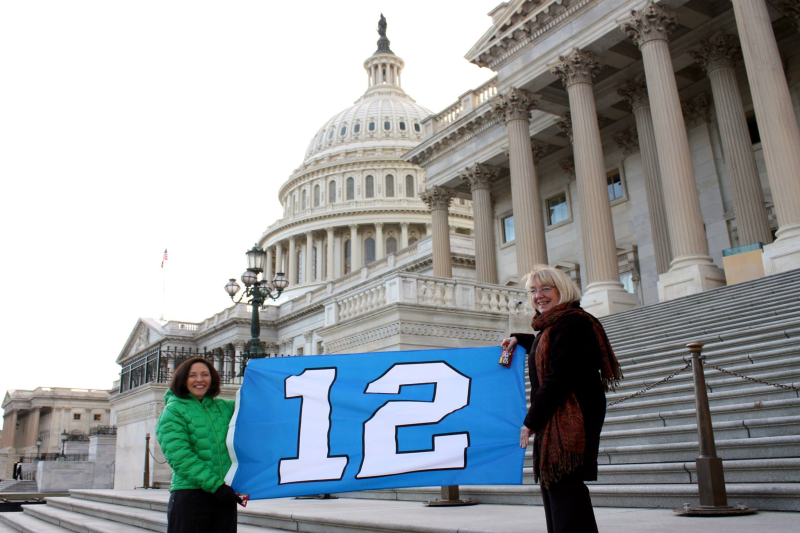
U.S. lawmakers have introduced a bipartisan proposal that could significantly reshape the financial structure of college athletics by allowing universities to collectively negotiate broadcasting rights. The proposed legislation, titled the College Sports Competitive Act, was presented by Senator Maria Cantwell of Washington and Senator Eric Schmitt of Missouri. The draft bill seeks to amend the long standing Sports Broadcasting Act to permit colleges and athletic conferences to pool their media rights when negotiating television and streaming agreements. Supporters of the proposal believe the new framework could generate more than $9 billion in additional revenue for college sports while helping stabilize athletic programs across universities in the United States.
The proposal comes at a time when college athletics are experiencing major financial changes driven by the expansion of Name Image and Likeness compensation rules and the rising cost of maintaining competitive sports programs.
Media Rights Reform Targets Revenue Gap in College Sports
College football and basketball regularly attract large national audiences across television and streaming platforms. Despite the massive popularity of these competitions, revenue from college sports broadcasting deals often remains significantly lower than the earnings generated by major professional sports leagues.
Lawmakers supporting the legislation argue that this gap reflects outdated restrictions on how universities negotiate their media rights. Under the proposed bill colleges and conferences would be permitted to combine their broadcasting rights into collective packages when negotiating with networks and streaming platforms.
This collective bargaining structure is designed to increase the overall market value of college sports media rights. By offering larger unified broadcast packages universities could potentially secure higher value contracts with broadcasters and digital media companies.
Supporters of the proposal believe such reforms would modernize the college sports broadcasting system and allow universities to better compete with professional leagues in terms of media revenue.
Funding to Protect Women’s and Olympic Sports Programs
One of the central goals of the proposed legislation is to protect smaller athletic programs that often face budget cuts when universities attempt to manage rising costs in major sports such as football and basketball. Many universities rely heavily on revenue from these high profile sports to support other athletic programs.
According to lawmakers introducing the bill financial pressures in college athletics have already led some universities to reduce scholarships and eliminate roster positions in women’s sports and Olympic sports programs. These programs are often essential for developing athletes who later compete in international competitions including the Olympic Games.
The proposed legislation includes provisions ensuring that new revenue generated through pooled media rights will support a broader range of athletic programs. The bill aims to ensure that scholarships and team opportunities are preserved for student athletes across multiple sports disciplines.
Revenue Distribution Model Proposed for Universities
The College Sports Competitive Act outlines a framework for distributing additional revenue generated through pooled broadcasting rights. The proposal establishes several key objectives designed to ensure fairness across participating universities.
Under the proposed structure all schools participating in the system would receive more media revenue than they earned during the 2024 to 2025 academic year. In addition universities would receive a share of new revenue generated through collective broadcasting agreements.
The legislation also introduces performance based incentives that would reward universities that contribute significantly to viewership growth or achieve strong results in playoff competitions. These incentives are designed to encourage competitive performance while maintaining financial stability for smaller programs.
Governance Structure to Oversee Media Rights System
To manage the proposed broadcasting framework the bill suggests creating a fourteen member governing board responsible for overseeing collective media rights agreements. The board would include representatives from universities, student athletes, media industry experts and academic institutions.
Supporters of the proposal believe this governance structure would ensure that decisions regarding media rights negotiations reflect the interests of multiple stakeholders in college athletics. By including athletes and academic representatives alongside media experts the system aims to balance commercial growth with educational and athletic priorities.
The governing board would also be responsible for monitoring how revenue generated from broadcasting deals is distributed among participating institutions.
Ensuring Access for Fans and Viewers
Another key feature of the proposed legislation is the protection of fan access to college sports broadcasts. Lawmakers included provisions to ensure that certain games remain available to local audiences without being placed exclusively behind subscription paywalls.
The bill also includes measures designed to allow fans living outside their team’s regional market to watch games through national broadcasting platforms. This approach reflects the growing importance of streaming services and digital media in delivering sports content to audiences across the country.
Supporters of the legislation argue that improving accessibility will strengthen fan engagement while expanding the overall market for college sports media rights.
Legislative Efforts Reflect Broader Changes in College Athletics
The proposal is part of a broader series of legislative initiatives addressing the evolving structure of college athletics in the United States. In recent years lawmakers have introduced multiple bills aimed at regulating Name Image and Likeness agreements, protecting student athletes’ rights and ensuring fair compensation structures.
The introduction of NIL rules allowing college athletes to earn income from endorsements has transformed the financial environment of college sports. While the changes have created new opportunities for athletes they have also increased financial pressure on universities seeking to remain competitive.
Lawmakers believe reforms to broadcasting rights could provide additional financial stability for universities navigating this changing landscape.
Outlook for the College Sports Competitive Act
The draft legislation is expected to undergo further discussion among lawmakers, universities and sports industry stakeholders before being formally introduced in Congress. If passed the bill could transform how college sports media rights are negotiated and significantly increase revenue across the collegiate athletics system. Supporters argue that modernizing the broadcasting framework will strengthen the financial foundation of college athletics while preserving opportunities for student athletes in a wide range of sports programs.
Commercial
Champions League Commercial Strategy Expands with Global Streaming and New Sponsorship Model
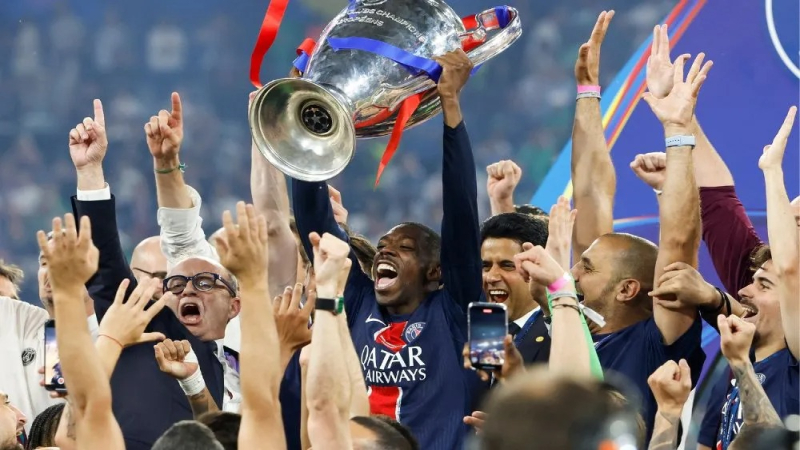
UEFA is reshaping the commercial structure of its club competitions as the Champions League enters a new era of broadcasting and sponsorship strategy. With the introduction of a new rights management company and the appointment of a different agency partner for the first time in more than three decades, European football’s premier competition is opening new opportunities for global media companies and sponsors. The governing body is preparing for the next commercial cycle running from 2027 to 2033 and has already begun securing broadcasting and sponsorship agreements that could significantly increase the tournament’s overall revenue. The new approach reflects UEFA’s ambition to modernize how football rights are sold and to expand the commercial reach of its competitions worldwide.
The Champions League remains one of the most valuable sports properties globally, attracting hundreds of millions of viewers and generating billions of euros in media and commercial income each cycle.
New Joint Venture UC3 to Manage Commercial Rights
The commercial strategy for UEFA’s club competitions is now being managed through a new organization known as UC3. This joint venture was created between UEFA and the European Football Clubs association to oversee the commercialization of tournaments such as the Champions League, Europa League and Conference League.
UC3 represents a structural change in how football rights are managed. Previously UEFA handled the majority of commercial activities directly through its long standing agency partner Team Marketing. The new joint venture gives participating clubs a stronger voice in how broadcasting and sponsorship rights are structured and sold in international markets.
Executives involved in the initiative believe the new structure allows more flexibility and encourages innovative commercial strategies. By involving clubs more closely in decision making, UEFA aims to maximize the value of its competitions while ensuring long term financial sustainability.
End of a 30 Year Agency Partnership
One of the most significant decisions taken by the new commercial management structure was the decision to replace Team Marketing as the exclusive agency responsible for selling Champions League commercial rights. Team Marketing had held that role since the modern Champions League format was introduced in the early 1990s.
The new global sales responsibilities will now be handled by Relevent Football Partners, a company with strong connections to international sports investment and media markets. The organization operates offices across multiple global locations including London, New York and Doha.
UEFA officials explained that the change was not driven by dissatisfaction with the previous partnership but rather by a desire to introduce fresh commercial perspectives. The evolving media environment and the rapid expansion of global streaming platforms created an opportunity to rethink how rights packages are structured and marketed.
Global Streaming Platforms Enter Broadcasting Landscape
A major feature of the new commercial cycle is UEFA’s strategy to attract global streaming companies into the Champions League broadcasting ecosystem. Traditionally television networks dominated the sports rights market, but streaming platforms such as Apple, Netflix and Amazon have increasingly shown interest in premium sports properties.
UEFA has designed new rights packages that allow broadcasters to secure either global, regional or national coverage rights depending on their market strategy. This flexible structure allows both traditional broadcasters and digital streaming services to participate in the bidding process.
Early results from the new approach suggest strong demand from media companies. In major European markets including the United Kingdom and Germany, the streaming platform Paramount Plus has secured a high profile package featuring first pick matches on Tuesdays. Amazon’s Prime Video service has also acquired rights packages in several key markets.
Broadcasting Deals Show Significant Revenue Growth
The value of Champions League broadcasting rights has increased steadily over the past two decades as football’s global audience continues to expand. Recent agreements indicate that the new commercial strategy could deliver another substantial increase in revenue.
In the United Kingdom alone, the combined value of Champions League rights deals for the upcoming cycle is estimated to reach approximately £2.2 billion. This represents a notable increase compared with the current agreements that generate around £455 million per season.
Streaming services view the Champions League as a powerful driver of subscriber growth because live sports remain one of the most reliable forms of premium digital content. Football tournaments with global appeal provide platforms with the ability to attract new audiences while strengthening their brand presence in competitive media markets.
New Sponsorship Structure Expands Commercial Opportunities
UEFA is also redesigning the sponsorship structure of the Champions League to create additional commercial opportunities for brands. The new model will introduce a tiered partnership system that increases the number of sponsors involved in the competition.
Under the upcoming format there will be twelve official sponsors associated with the Champions League. Four of these will be premium partners whose agreements also include rights connected to the Europa League and Conference League. The remaining eight sponsors will participate within a structured tier system that offers tailored marketing benefits.
Long term contracts will also be introduced, allowing sponsors to sign six year agreements instead of the traditional three year cycles. This extended timeline provides brands with greater stability and encourages larger financial commitments.
Major Brands Compete for High Value Partnerships
Early negotiations suggest strong competition among multinational companies seeking to secure sponsorship rights for the next commercial cycle. Beverage giant AB InBev has reportedly entered exclusive talks to become the official beer partner of UEFA’s men’s club competitions in a deal worth around €200 million per year.
The potential agreement would replace Heineken, which has held the sponsorship role since the mid 1990s. The shift highlights how UEFA’s new commercial strategy is encouraging increased competition among major brands.
At the same time some long term partners are expected to remain within the sponsorship portfolio. Soft drink manufacturer PepsiCo is preparing to extend its existing partnership with UEFA competitions, demonstrating how the organization aims to balance new entrants with established brand relationships.
Outlook for the Future of Champions League Commercial Growth
UEFA expects the new commercial structure to drive significant growth in revenue during the upcoming cycle. Media rights tenders are currently underway in multiple international markets including Brazil, Portugal and Mexico. Early negotiations indicate strong demand from both regional broadcasters and global streaming companies.
The governing body is reportedly targeting more than €5 billion in annual media rights revenue for the next commercial period. If achieved, this would represent another major milestone in the financial evolution of European club football.
Commercial
Commercial Appeal Journalists Earn Recognition in APSE Sports Media Awards

The Memphis Commercial Appeal has earned national recognition in the annual Associated Press Sports Editors awards, highlighting excellence in sports journalism and photography. Reporter Jason Munz received two awards for his sports coverage while photographer Chris Day was honored in the feature photography category. The awards celebrate outstanding sports journalism across the United States and are considered among the most respected recognitions within the sports media industry. The Commercial Appeal’s success was part of a broader achievement for the USA Today South Region network, which collectively secured nineteen awards across multiple divisions in the national competition.
The awards reflect the growing influence of high quality sports journalism in shaping public understanding of athletic programs, competitions and sports culture. Recognition from organizations such as the Associated Press Sports Editors highlights the importance of investigative reporting, storytelling and visual coverage within modern sports media.
Jason Munz Recognized for Investigative Sports Reporting
Sports reporter Jason Munz was honored twice in the APSE contest for his work covering Memphis basketball and the university’s athletic department. One of the awards came in the breaking news category for his detailed reporting on academic integrity violations involving the university’s men’s basketball and softball programs. Munz’s story stood out for delivering key information quickly and for presenting details that were not initially reported by other media outlets.
The report provided readers with a comprehensive understanding of the investigation announced by the National Collegiate Athletic Association. By delivering accurate and timely coverage of the issue Munz’s work demonstrated the role investigative sports journalism plays in maintaining accountability within collegiate athletics. Breaking news coverage often requires rapid information gathering and verification, making such achievements particularly valued within the journalism profession.
Munz’s work was recognized as one of the top entries in the category within the division that includes publications with similar circulation and digital readership levels.
Feature Series on Memphis Louisville Rivalry Also Honored
Munz also received recognition in the projects category for a multi part feature series examining the long standing rivalry between the Memphis Tigers and the Louisville Cardinals basketball programs. The three part series explored the historical and emotional significance of the rivalry while providing readers with deeper insight into key moments that shaped the competition.
The first installment focused on the origins of the rivalry and how competitive tensions between the two programs intensified over time. The second article revisited several dramatic games that resulted in heartbreak for Memphis supporters. The final piece highlighted some of the most memorable victories recorded by the Tigers against Louisville.
Project based sports journalism often requires extensive research and long form storytelling to present a complete narrative about significant sporting events. The recognition of Munz’s series demonstrates how detailed historical analysis and storytelling remain important components of modern sports coverage.
Chris Day Recognized for Feature Photography
In addition to the writing awards the Commercial Appeal also received recognition for sports photography through the work of photographer Chris Day. Day was named among the top ten entries in the feature photo category for his image capturing a celebratory moment following a high school softball championship game.
The photograph documented players from Donelson Christian Academy celebrating their victory after defeating Silverdale to win the Division II Class A softball state championship in Tennessee. The image captured the emotion and excitement of the players immediately after the final result, illustrating the power of visual storytelling within sports journalism.
Feature photography plays a critical role in sports media by capturing moments that reflect the human side of athletic competition. Photographs often communicate the intensity of sports events and the emotions of athletes in ways that written reporting alone cannot achieve.
APSE Awards Recognize Excellence in Sports Journalism
The Associated Press Sports Editors awards are organized annually to recognize outstanding achievements in sports journalism across multiple categories. The contest evaluates entries from newspapers and digital outlets across the United States, assessing work in writing, photography, digital storytelling and print production.
Participants compete within divisions based on circulation size and digital readership levels to ensure fair comparison among publications with similar audience reach. Editors and journalists from across the country vote to determine the top entries within each category. The final ranking order for several writing awards is expected to be announced later following the completion of judging.
Recognition in the APSE contest is widely regarded as a major professional achievement for sports journalists. Winning or placing in the competition demonstrates a commitment to quality reporting, editorial accuracy and compelling storytelling.
USA Today South Region Publications Receive Multiple Honors
The Commercial Appeal’s recognition formed part of a strong overall performance by publications within the USA Today South Region network. In total the group secured nineteen awards across three divisions in the APSE competition.
Several other newspapers within the network were also honored. The Asheville Citizen Times received recognition for high school beat writing and action photography. The Clarion Ledger earned an award in the short feature category, while the Daily News Journal was recognized for high school beat reporting and feature photography. Additional honors went to the Greenville News and the Knoxville News Sentinel for their contributions to sports journalism.
The Tennessean in Nashville received several awards across multiple categories including event coverage, investigative projects, high school reporting and video production. These recognitions highlight the continued importance of regional journalism in delivering comprehensive sports coverage to local audiences.
Outlook for the Future of Sports Journalism
The success of the Commercial Appeal and other regional publications in the APSE awards underscores the evolving role of sports journalism in the digital media landscape. High quality reporting and compelling storytelling remain essential for engaging readers who follow collegiate athletics, professional sports and high school competitions.
As sports media continues to expand across digital platforms, journalists and photographers will play an increasingly important role in delivering timely information and capturing the defining moments of sporting events for audiences around the world.



Trending

 Artificial Intelligence4 months ago
South Korea Unveils $880 Billion AI and c Investment Plan

 Football3 months ago
Better Future Pakistan | Match -1 | Norway

 Latest News7 months ago
Crypto Liquidity and Capital Flows: Could Rising USDT Activity Influence Pakistan’s Equity Markets

 Latest News7 months ago
Etihad Town Phase I Introduces Overseas Block with Residential and Commercial Plot Opportunities in Lahore
 Football3 months ago
Better Future Pakistan | LIVE Match | Norway

 Latest News7 months ago
From Catalog Clicks to Conversational AI: How Moeed Sheikh Is Building Revenue Driven Digital Experiences

 Latest News7 months ago
Punjab Introduces Mandatory Underground Infrastructure Rules for New Housing Societies in Lahore

 Latest News7 months ago
PSX Bloodbath as KSE100 Plunges Over 13,000 Points After Trading Resumes