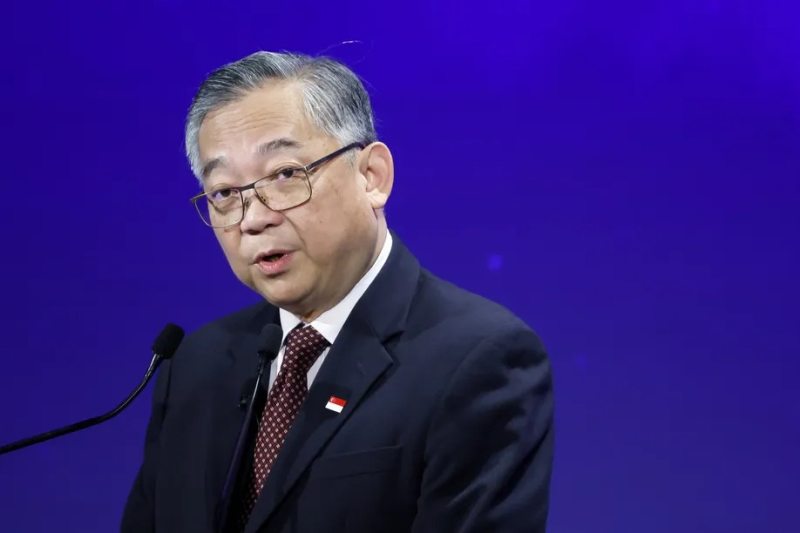
Singapore has indicated that it may reassess its economic growth outlook as tensions in the Middle East continue to raise concerns about global energy prices and economic stability. Deputy Prime Minister Gan Kim Yong told parliament that the government is closely monitoring the evolving geopolitical situation and its potential impact on energy markets. Officials believe that prolonged instability in the region could increase oil prices and raise costs for businesses and households. As a highly trade dependent economy, Singapore is particularly sensitive to global economic shifts and energy market volatility. Authorities say that if the conflict continues and energy prices rise sharply, the government may revise its forecasts for economic growth and inflation in order to reflect the changing international environment and its implications for domestic economic activity.
Singapore’s economic planning relies heavily on global trade flows and stable energy costs which makes developments in international markets especially significant. Higher oil prices can affect transportation costs, manufacturing expenses and consumer prices across many sectors of the economy. Government officials say that sustained increases in energy prices could raise operating costs for companies while also placing additional pressure on households through higher utility and transportation expenses. These pressures could ultimately influence overall economic performance if global energy markets remain volatile. Policymakers therefore remain cautious about the potential ripple effects of geopolitical tensions that may spread through global supply chains and financial markets.
The government currently maintains regular monitoring of economic indicators and international developments to ensure that policy responses remain timely and effective. Economic planners are analyzing how higher energy prices might affect key sectors including manufacturing, logistics, aviation and shipping which play central roles in Singapore’s trade oriented economy. Analysts note that fluctuations in oil prices can quickly influence shipping and transportation costs, particularly in economies that rely heavily on international trade routes. Singapore serves as a major regional logistics hub and any disruption in global shipping networks or energy supply could influence both export activity and domestic economic conditions.
Officials have also emphasized that Singapore’s policy framework allows the government to adjust forecasts and economic strategies when external risks increase. The country regularly updates projections for growth and inflation based on global market conditions and domestic economic performance. If energy prices continue to rise due to geopolitical tensions the government may revise its economic outlook to reflect higher cost pressures and slower global demand. Analysts say such adjustments are part of normal economic planning and help governments maintain transparency while preparing businesses and investors for potential changes in economic conditions.
Global economic uncertainty has increased in recent months as conflicts and geopolitical tensions influence energy markets and trade routes. For Singapore the situation highlights the importance of closely tracking developments that may affect international commerce and fuel prices. Policymakers say the government will continue monitoring global developments and evaluating how shifts in energy markets could affect inflation, trade flows and economic growth in the coming months.











 Artificial Intelligence4 months ago
 Football3 months ago
 Latest News7 months ago
 Latest News7 months ago
 Football3 months ago
 Latest News7 months ago
 Latest News7 months ago
 Latest News7 months ago