India continues to attract strong interest from global private equity investors due to its robust economic growth and expanding business ecosystem, yet concerns about currency depreciation and taxation are limiting overall return expectations. Investors say that while India remains one of the most important destinations for emerging market capital, the impact of a weakening rupee and capital gains taxes has become a key consideration when evaluating investment opportunities. These financial pressures have prompted many international funds to reassess return projections even as deal activity and exit opportunities continue to grow in the country.
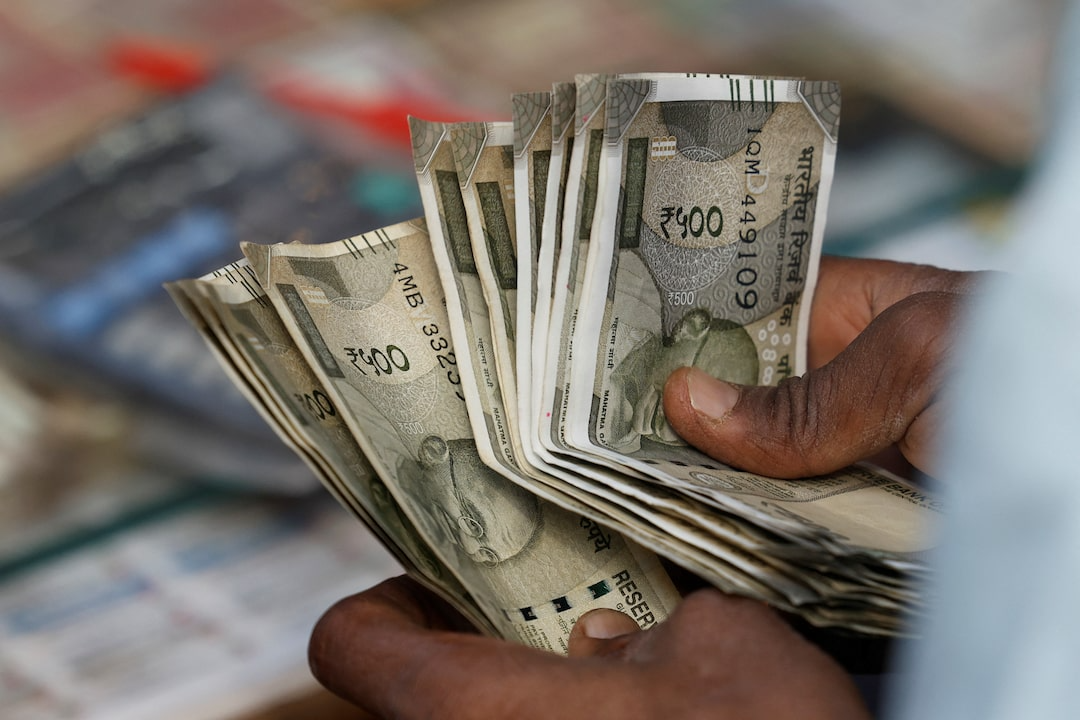
The Indian rupee has experienced steady depreciation against the US dollar over recent years, creating additional pressure for foreign investors seeking to repatriate profits. Currency weakness erodes the value of returns when investments are converted back into dollars, making exchange rate movements an important factor in overall performance. Although India’s strong economic expansion continues to support investor confidence, the gradual decline in the rupee has forced many global funds to factor currency risks more carefully into their investment strategies and long-term planning.
Tax policies also play a significant role in shaping investor sentiment. Private equity investors face capital gains taxes when exiting investments, which can reduce net returns from successful deals. Industry participants say that capital gains taxes typically ranging between ten and fifteen percent can limit profitability compared with other emerging markets that offer more favorable tax structures. As competition for global capital intensifies, investors believe that tax policies could become an important factor in determining how much private equity funding flows into India in the future.
Despite these challenges, India’s investment environment remains attractive due to its large consumer market, expanding technology sector and improving capital markets. The country has seen growing opportunities for private equity exits through public listings and strategic sales, creating stronger liquidity pathways for investors. Analysts note that the development of deeper financial markets and a growing base of experienced fund managers have strengthened India’s position as a core allocation within emerging market portfolios.
Another distinctive feature of India’s private equity landscape is the relatively limited use of financial leverage compared with other markets. Regulatory restrictions on borrowing for share acquisitions and corporate governance rules limit the ability of investors to use debt to enhance returns. While this reduces the potential for financial engineering strategies commonly used in other markets, it also lowers exposure to refinancing risks and interest rate fluctuations, making investments potentially more stable during periods of economic uncertainty.
Investors say that as financial leverage remains constrained, private equity firms are increasingly focusing on operational improvements to generate value within portfolio companies. This approach involves strengthening management structures, expanding market reach and improving efficiency rather than relying heavily on debt-driven returns. The strategy aligns with India’s broader economic transformation as companies modernize operations and scale their businesses in competitive industries.
Looking ahead, the long-term outlook for private equity investment in India remains positive despite the current concerns around currency movements and tax policies. Investors continue to view the country as one of the most dynamic emerging markets due to its economic growth potential and expanding investment opportunities. However, the balance between strong growth prospects and financial constraints such as currency depreciation and taxation will remain an important factor shaping private equity strategies in the years ahead.
















 Artificial Intelligence4 months ago
 Football3 months ago
 Latest News7 months ago
 Latest News7 months ago
 Football3 months ago
 Latest News7 months ago
 Latest News7 months ago
 Latest News7 months ago