Pakistan is confronting a sharp rise in energy costs as escalating tensions in the Middle East drive global oil prices significantly higher. The surge in crude prices has placed renewed pressure on the country’s import bill, forcing authorities to reassess fuel pricing policies and fiscal measures tied to petroleum taxation and duties. Officials in Islamabad have warned that Pakistan’s monthly oil import expenses could climb to around $600 million if global oil markets remain volatile. The development highlights the vulnerability of Pakistan’s energy sector to global supply disruptions and the limited space available for the government to cushion consumers from international price shocks.
Rising Global Oil Prices Trigger Energy Cost Pressures
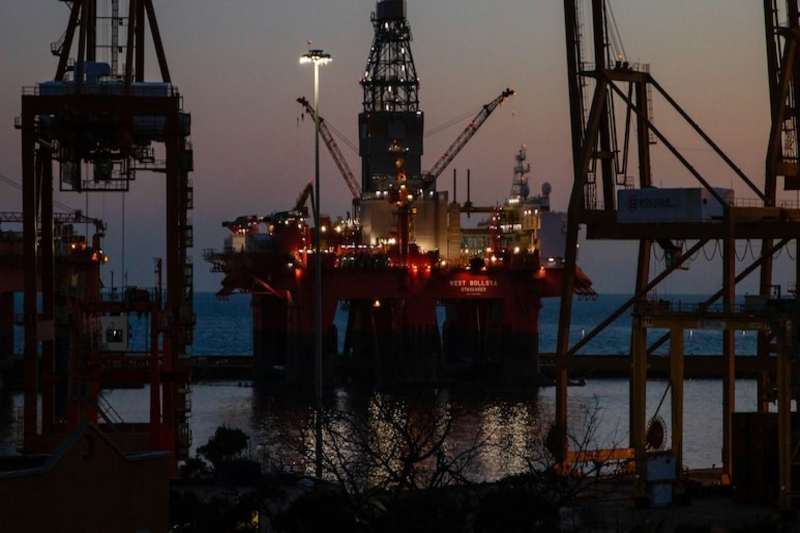
International oil markets experienced a dramatic rally as geopolitical tensions intensified in the Middle East. Brent crude, the global benchmark for oil pricing, surged to approximately $118 per barrel, while US West Texas Intermediate crude rose sharply from about $90 to more than $118 per barrel within a short period. The sudden jump in prices reflects fears that conflict in the region could disrupt supply chains or threaten oil shipping routes through the Strait of Hormuz.
The Strait of Hormuz is one of the most critical maritime corridors for global oil trade, carrying a significant portion of the world’s petroleum shipments. Any disruption to this route could tighten global supply and push energy prices even higher. Countries heavily dependent on imported oil, including Pakistan, face immediate financial strain when international prices spike.
For Pakistan, the rising cost of crude oil translates directly into higher import bills and increased demand for foreign exchange reserves. The country relies heavily on imported petroleum products to meet domestic energy needs, making its economy particularly sensitive to fluctuations in global oil markets.
Government Considers Fiscal Measures Amid Energy Shock
Pakistan’s government has been forced to reconsider its fiscal strategy in response to the surge in global oil prices. Officials have indicated that the country’s monthly oil import bill could approach $600 million if current market conditions persist. Finance authorities have acknowledged that such a sharp increase in energy costs could widen the country’s external financing gap and create pressure on fiscal balances.
Petroleum Minister Ali Pervaiz Malik confirmed that the government has approached the International Monetary Fund to discuss possible relief related to the petroleum levy, which forms a major component of the country’s fuel pricing structure. Adjustments to petroleum levies and related duties are often used by governments to manage fuel prices while balancing fiscal revenues.
However, Pakistan’s ability to adjust these duties is constrained by ongoing financial commitments and fiscal discipline requirements. Authorities have emphasized that maintaining economic stability and honoring international financial agreements remain key priorities.
Officials have also urged citizens to reduce fuel consumption in order to limit the impact of higher import costs on the country’s foreign exchange reserves. Conservation measures could help reduce immediate demand pressure while policymakers explore longer term solutions to manage energy supply.
Energy Security Concerns and Supply Risks
The ongoing geopolitical crisis has also raised concerns about Pakistan’s energy security. Officials have warned that potential disruptions in shipping routes could affect the arrival of fuel shipments destined for the country. Pakistan depends on regular cargo deliveries to maintain adequate petroleum and liquefied natural gas supplies for domestic consumption.
According to government sources, several petroleum cargoes were scheduled to reach Pakistan in the coming days. However, authorities remain cautious about the possibility that further escalation in the conflict could affect regional shipping routes and delay energy shipments.
In response to these risks, the government has started discussions with energy suppliers in Oman, Saudi Arabia, and the United Arab Emirates. These talks aim to explore alternative supply arrangements that could help Pakistan secure fuel shipments through routes that bypass potential conflict zones.
Energy analysts say such contingency planning is essential for countries that depend heavily on imported energy resources. Diversifying supply routes and strengthening regional energy partnerships can help reduce vulnerability to geopolitical disruptions.
Fuel Price Increase Passes Global Costs to Consumers
The impact of rising global oil prices has already begun to reach Pakistani consumers. The government recently announced a significant increase in fuel prices, raising petrol and diesel rates by approximately PKR 55 per litre. This represents an increase of roughly 20 percent and has pushed petrol prices to around PKR 321 per litre, while diesel prices have climbed to approximately PKR 336 per litre.
The price adjustment reflects the government’s decision to pass global price increases directly to domestic markets. Officials say the move was necessary to maintain fiscal stability and ensure that the country’s energy financing structure remains sustainable.
However, higher fuel prices are expected to affect household budgets and business costs across the country. Fuel costs influence transportation, electricity generation, and the distribution of goods, meaning that price increases often ripple through the broader economy.
Inflation Risks and Economic Impact
Economists warn that higher fuel prices could trigger another round of inflation in Pakistan’s economy. When transportation and logistics costs rise, businesses often pass these costs on to consumers through higher prices for food, agricultural products, and manufactured goods.
The timing of the fuel price increase has added to public concern because it coincides with Ramadan, a period when household spending typically rises. For many families, higher fuel costs could translate into increased expenses for transportation and essential goods.
Industrial sectors are also closely watching the situation. Higher energy costs can increase production expenses for manufacturing industries and export oriented sectors, potentially affecting Pakistan’s competitiveness in regional markets.
Economic analysts say sustained oil prices above the $100 per barrel level could prolong inflationary pressures and complicate economic stabilization efforts.
Outlook
The ongoing energy crisis highlights the challenges facing Pakistan’s fuel pricing and duty structure as global oil markets remain volatile. With limited fiscal space and rising import costs, policymakers may need to rely on adjustments in petroleum levies and energy pricing mechanisms while exploring alternative supply routes to protect the country’s energy security.








 Artificial Intelligence4 months ago
 Football3 months ago
 Latest News7 months ago
 Latest News7 months ago
 Football3 months ago
 Latest News7 months ago
 Latest News7 months ago
 Latest News7 months ago