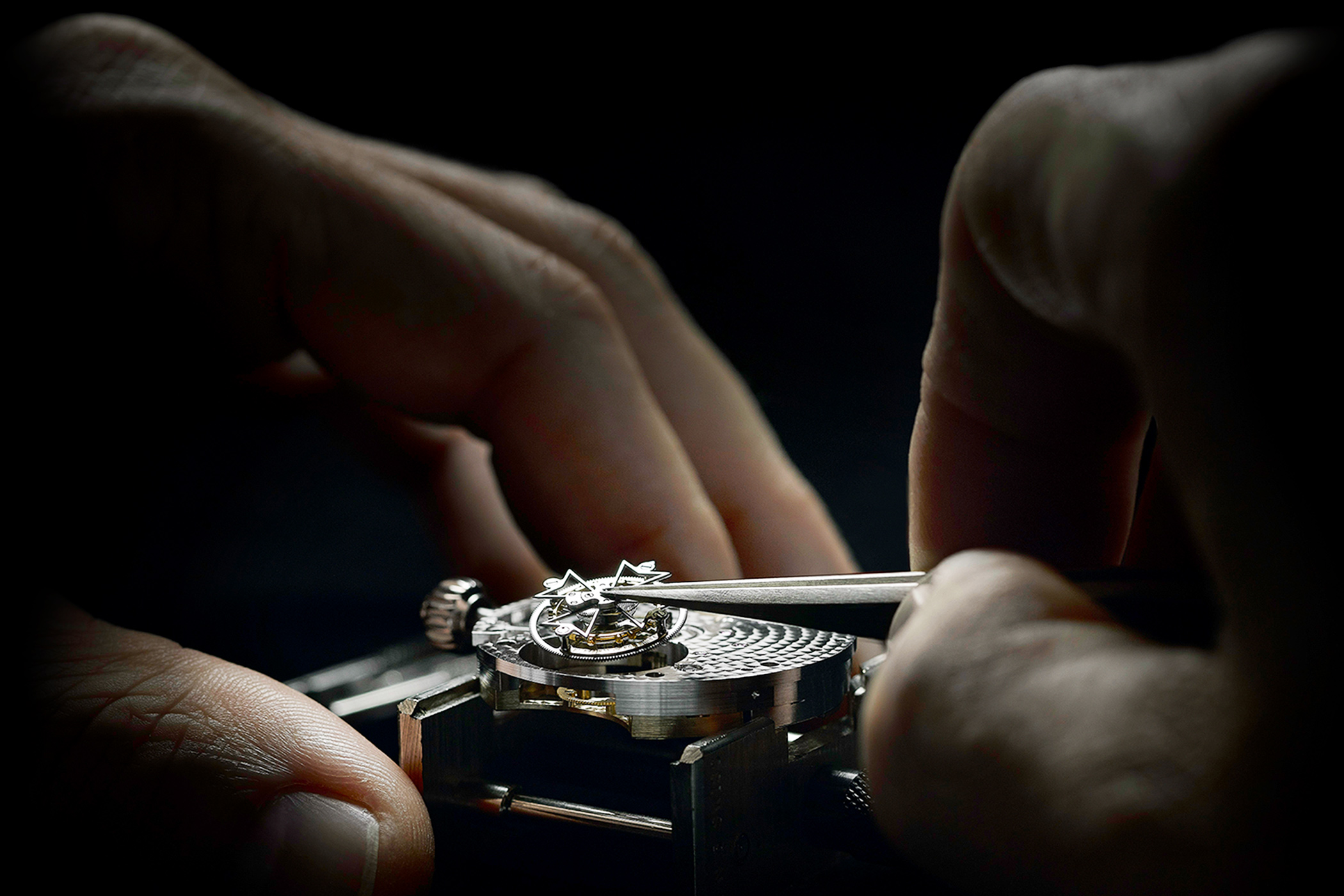
Swiss watchmakers are continuing to redefine the boundaries of traditional horology as they introduce a new wave of mechanical innovations aimed at improving precision, durability, and performance. Switzerland has long been regarded as the global center of luxury watchmaking, with its manufacturers known for combining centuries-old craftsmanship with cutting-edge engineering. In 2026, the industry is witnessing a renewed focus on advanced mechanical technologies that enhance the reliability and efficiency of high-end timepieces. Leading Swiss brands are investing heavily in research and development to refine complex watch mechanisms while maintaining the heritage and artistry that define mechanical watchmaking.
One of the most significant areas of innovation is the development of improved movement technology. Mechanical watch movements rely on intricate assemblies of gears, springs, and balance wheels to keep accurate time. Swiss engineers are now introducing new materials and design techniques that increase the durability and accuracy of these systems. For example, components made from advanced alloys and silicon are being used to reduce friction within the movement, allowing watches to maintain more consistent performance over time. These materials are also resistant to magnetic interference and temperature fluctuations, two factors that can affect the precision of traditional mechanical watches.
Another area of advancement involves extended power reserves. Modern mechanical watches are increasingly designed to run for longer periods without requiring manual winding. Some newly developed movements can operate for several days, and in certain cases even more than a week, on a single wind. This improvement is achieved through optimized gear ratios and more efficient energy storage systems within the watch mechanism. For collectors and enthusiasts, longer power reserves provide both practical convenience and evidence of sophisticated engineering within the timepiece.
Swiss watchmakers are also introducing innovative complications that demonstrate the technical mastery of modern horology. Complications refer to additional functions beyond simple timekeeping, such as perpetual calendars, dual time zones, moon phase displays, and tourbillons. These features require highly complex mechanical structures that must operate with absolute precision. New designs are allowing watchmakers to integrate multiple complications within a single movement while maintaining reliability and visual elegance. Such innovations showcase the balance between technical complexity and aesthetic refinement that defines luxury mechanical watches.
In addition to internal mechanical improvements, Swiss brands are experimenting with new case materials and construction techniques. Lightweight materials such as titanium and advanced ceramics are increasingly being used to create durable and comfortable watch cases. Some manufacturers are also incorporating sapphire crystal components into case structures, allowing collectors to view the intricate movements from multiple angles. These design advancements not only improve the durability of watches but also enhance their visual appeal by highlighting the craftsmanship involved in mechanical watchmaking.
The resurgence of interest in mechanical watches has also been driven by collectors who appreciate the artistry and heritage behind traditional watchmaking. Unlike electronic devices or digital timepieces, mechanical watches represent a blend of engineering and craftsmanship that reflects centuries of horological development. Many collectors view these timepieces as works of art that preserve historical techniques while incorporating modern technological improvements. As a result, demand for mechanically sophisticated watches remains strong among enthusiasts and investors alike.
Looking ahead, the future of Swiss watchmaking is likely to involve an even closer integration of tradition and innovation. Manufacturers continue to explore new technologies that enhance performance while preserving the handcrafted elements that distinguish luxury mechanical watches. With ongoing advances in materials science, micro-engineering, and movement design, Swiss watchmakers are expected to remain at the forefront of mechanical innovation, ensuring that traditional horology continues to evolve in the modern era.









 Artificial Intelligence4 months ago
 Football3 months ago
 Latest News7 months ago
 Latest News7 months ago
 Football3 months ago
 Latest News7 months ago
 Latest News7 months ago
 Football3 months ago