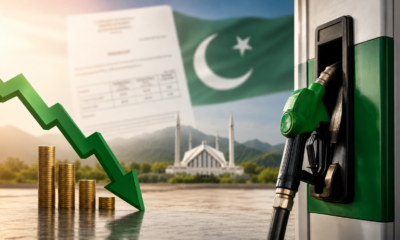
Pakistan’s government has assured citizens that petrol supplies across the country remain stable despite growing volatility in global energy markets caused by geopolitical tensions in the Middle East. Authorities said national fuel inventories are currently sufficient and supply chains are operating normally, ensuring that petroleum products remain available throughout the country. Officials emphasized that proactive planning and close coordination among government departments, refineries, and importers have helped maintain supply stability even as global oil markets experience price fluctuations and logistical uncertainties linked to regional conflicts.
A high-level monitoring committee established by Prime Minister Shehbaz Sharif met to review developments in global energy markets and assess the country’s readiness to manage potential supply disruptions. The committee, chaired by Finance Minister Muhammad Aurangzeb, evaluated national stock levels of crude oil and refined petroleum products as well as shipment schedules for incoming cargoes. Officials confirmed that several import consignments are currently en route while additional cargo arrangements are being made to reinforce national reserves and ensure that supply remains uninterrupted in the weeks ahead.
During the meeting, participants reviewed the country’s energy supply chain logistics, including refinery operations, maritime transportation routes, and coordination with international energy suppliers. Authorities reported that domestic refineries are operating efficiently and that petroleum supply infrastructure across the country remains functional. The committee stressed the importance of maintaining optimal refinery throughput and ensuring continuous communication between energy sector stakeholders to prevent bottlenecks in the distribution network.
Officials also examined international energy price trends and market indicators amid heightened volatility in global oil markets. Rising tensions in the Middle East have pushed crude oil prices higher and increased uncertainty across energy trading hubs worldwide. Despite these pressures, the government stated that Pakistan’s current petroleum reserves and procurement strategies are adequate to absorb short-term market disruptions. Authorities said continuous monitoring of global price movements will remain essential to managing domestic energy planning and economic stability.
In addition to monitoring supply conditions, the committee discussed strategies aimed at reducing pressure on fuel imports during periods of international market instability. Energy conservation measures and demand management initiatives were reviewed as part of broader efforts to improve fuel efficiency across government operations and the private sector. Officials noted that responsible energy consumption and targeted conservation policies could help reduce import costs while supporting long-term energy security.
Operational issues affecting sectors such as aviation, logistics and transportation were also addressed during the meeting. Representatives from these industries raised concerns regarding fuel availability and supply coordination, prompting the committee to direct relevant authorities to conduct further assessments. A detailed review of operational challenges will be presented at the committee’s next meeting to ensure that any emerging issues are addressed promptly and efficiently.
The government has also strengthened coordination with provincial administrations to improve monitoring of petroleum product availability across retail markets. Provincial officials briefed the committee on inspection measures at petrol stations and enforcement mechanisms designed to prevent supply disruptions or hoarding. Authorities are also developing an integrated digital monitoring dashboard that will allow policymakers to track fuel inventories and supply conditions across the country in real time.
Finance Minister Muhammad Aurangzeb reaffirmed that Pakistan’s energy supply situation remains stable despite fluctuations in global markets. He emphasized that daily monitoring of international oil prices, domestic stock levels and supply chain operations will continue to ensure that timely policy decisions can be taken when needed. According to officials, sustained coordination among government agencies and energy sector stakeholders will remain critical to safeguarding the country’s fuel supply in an increasingly uncertain global energy environment.

















 Artificial Intelligence4 months ago
 Football3 months ago
 Latest News7 months ago
 Latest News7 months ago
 Football3 months ago
 Latest News7 months ago
 Latest News7 months ago
 Latest News7 months ago