A growing dispute between artificial intelligence company Anthropic and the United States Department of Defense has sparked debate across the American startup ecosystem. Founders and investors are increasingly questioning whether working with government agencies, particularly the Pentagon, could create unexpected risks for emerging technology companies.
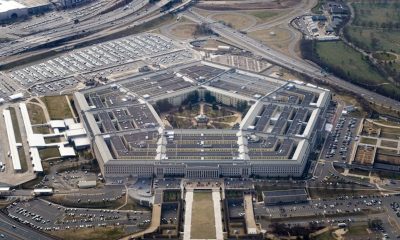
The controversy began after negotiations between Anthropic and the Pentagon collapsed over the use of the company’s Claude artificial intelligence system. Following the breakdown in talks, the U.S. administration classified Anthropic as a potential supply chain risk, a move that could restrict the company’s access to certain government contracts. The decision has triggered wider discussions among startups about the implications of collaborating with defense authorities.
AI Startups Face Increasing Government Scrutiny
Artificial intelligence companies have rapidly become central players in global technology development, attracting significant attention from governments seeking to incorporate AI into national security and defense operations. However, the dispute involving Anthropic highlights the growing scrutiny technology startups may face when entering defense partnerships.
The situation intensified when OpenAI secured its own agreement with the Pentagon shortly after Anthropic’s negotiations collapsed. The deal illustrated how government agencies are actively competing to secure access to advanced artificial intelligence tools developed by private companies.
High profile AI companies are particularly vulnerable to public scrutiny because their technologies are widely used by consumers and businesses. When such companies form partnerships with military organizations, the agreements often generate strong reactions from both supporters and critics.
In the case of OpenAI’s defense partnership, online discussions quickly spread across social media platforms. Some users expressed concerns about the potential military applications of artificial intelligence, while others questioned whether AI companies should collaborate with defense agencies at all.
Defense Contracts Offer Opportunities but Carry Risks
Government contracts have traditionally been a major source of revenue for technology companies. Defense agencies often invest billions of dollars in advanced computing, cybersecurity, data analysis, and artificial intelligence technologies. For startups, securing such contracts can provide financial stability and long term growth opportunities.
However, the Anthropic dispute has highlighted the risks associated with these partnerships. Changes in government policy or disagreements over technology usage can quickly disrupt agreements between startups and public sector organizations.
Industry analysts note that startups may face additional uncertainty when working with defense institutions because national security priorities can shift rapidly. Government agencies also maintain strict oversight over suppliers involved in sensitive technology systems, which can complicate relationships with private companies.
For early stage startups that rely on predictable revenue streams and investor confidence, sudden changes in government policy could create operational and reputational challenges.
Public Attention Around AI and National Security
Artificial intelligence technologies have become increasingly intertwined with national security debates. Governments around the world are exploring ways to use AI in areas such as intelligence analysis, cybersecurity defense, logistics planning, and autonomous systems.
At the same time, the growing influence of AI companies has raised ethical and regulatory questions. Critics argue that AI technologies should be developed carefully to avoid misuse in surveillance or military applications that could raise human rights concerns.
Because AI tools are widely used across industries, companies developing these technologies often find themselves at the center of public policy discussions. This attention can place additional pressure on startups that may not have the resources to navigate complex regulatory environments.
The Anthropic dispute illustrates how quickly an AI company’s relationship with government agencies can become a high profile issue involving legal, ethical, and political considerations.
Startup Founders Reevaluate Government Partnerships
Following the Pentagon dispute, some startup founders have begun reconsidering whether defense contracts align with their long term business strategies. While government partnerships can offer funding and access to large projects, they can also introduce political and regulatory complexities that smaller companies may find difficult to manage.
Some entrepreneurs argue that collaboration with public institutions remains essential for advancing critical technologies such as cybersecurity and artificial intelligence. Others believe startups should focus on commercial markets where operational conditions may be more predictable.
Technology investors are also closely watching the situation. Venture capital firms often evaluate regulatory risk when deciding whether to fund companies working in sensitive sectors such as defense technology.
The debate reflects a broader shift in the startup ecosystem as emerging technologies become more closely linked with national security priorities.
AI Partnerships and the Future of Defense Technology
The Pentagon has been expanding its collaboration with technology companies in recent years as it seeks to modernize digital infrastructure and integrate artificial intelligence into defense systems. These partnerships are part of a broader effort by governments to remain competitive in rapidly evolving technological fields.
At the same time, private sector companies are increasingly shaping the development of technologies that governments rely on. This dynamic creates a complex relationship where startups must balance innovation, commercial growth, and regulatory responsibilities.
Industry observers believe the outcome of the dispute between Anthropic and the Pentagon could influence how future AI startups approach government contracts. If uncertainty around policy decisions continues, some companies may adopt more cautious strategies when considering defense partnerships.
Outlook
The debate sparked by the Pentagon’s dispute with Anthropic underscores the evolving relationship between startups and government institutions. As artificial intelligence becomes more important to national security strategies, startups developing advanced technologies will continue to face difficult decisions about collaboration, regulation, and public perception in the rapidly changing global tech landscape.











 Artificial Intelligence4 months ago
 Football3 months ago
 Latest News7 months ago
 Latest News7 months ago
 Football3 months ago
 Latest News7 months ago
 Latest News7 months ago
 Latest News7 months ago