Connect with us

SROs & Duty Updates

Pakistan Raises Fuel Prices by Rs55 per Liter as Oil Surge Forces Policy Adjustment

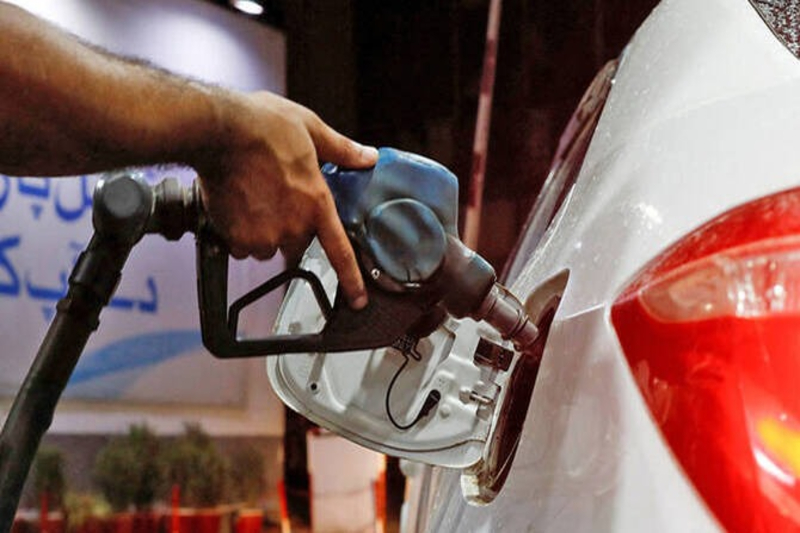
Pakistan has sharply increased petrol and diesel prices by Rs55 per liter following a surge in global oil prices triggered by escalating tensions in the Middle East. The price adjustment comes as international energy markets experience significant volatility due to geopolitical conflict affecting major oil producing regions. Government officials said the increase was necessary to maintain fuel supply stability and manage the rising cost of imported petroleum products. Pakistan, which depends heavily on imported fuel, faces immediate economic pressure whenever global crude prices rise. The government’s decision reflects a regulatory adjustment in petroleum pricing and levy structure aimed at keeping the domestic energy supply system financially sustainable during a period of global energy disruption.

Global Oil Price Surge Triggers Domestic Price Adjustment

The sharp increase in Pakistan’s fuel prices follows a dramatic rise in global crude oil markets. International energy prices surged after coordinated military strikes involving the United States, Israel, and Iran intensified geopolitical tensions in the Middle East. Traders reacted quickly to fears that the conflict could disrupt energy infrastructure and shipping routes across the region.

Brent crude oil prices climbed from roughly $78 per barrel at the beginning of March to around $106.8 per barrel within days. Diesel prices in international markets also increased significantly, reaching approximately $150 per barrel. The rapid escalation in global prices forced several energy importing countries to review domestic fuel pricing policies.

Pakistan’s government announced the fuel price increase during a joint press conference attended by Finance Minister Muhammad Aurangzeb, Deputy Prime Minister Ishaq Dar, and Petroleum Minister Ali Pervaiz Malik. Officials explained that the price adjustment was necessary to reflect the higher cost of imported petroleum products and to maintain stable fuel supply in domestic markets.

The decision involved a minor adjustment in the petroleum levy component within the fuel pricing structure. Petroleum levies are commonly used by the government as a fiscal tool to manage fuel pricing while maintaining revenue collection for public finances.

Government Says Energy Supplies Remain Stable

Despite the price increase, authorities emphasized that Pakistan currently maintains adequate fuel stocks to manage the ongoing energy crisis. Petroleum Minister Ali Pervaiz Malik said the country entered the current situation with relatively comfortable energy reserves due to earlier planning and supply arrangements.

The government has also taken steps to ensure that fuel imports continue without disruption. Officials confirmed that Pakistan is working with international energy partners to secure additional crude oil supplies. Arrangements with Saudi Aramco and the use of Pakistan National Shipping Corporation vessels are being utilized to facilitate the transportation of imported petroleum.

Ensuring stable fuel supply is critical for Pakistan’s economy because diesel and petrol are widely used across multiple sectors including transportation, agriculture, and industrial production. Any disruption in fuel availability could have severe consequences for economic activity and supply chains.

Authorities have also warned that strict action will be taken against hoarding or illegal storage of petroleum products. Officials said enforcement agencies will monitor fuel distribution closely to prevent market manipulation during the crisis.

Economic Impact of Rising Fuel Costs

Higher fuel prices are expected to affect several sectors of Pakistan’s economy. Diesel plays a particularly important role in agriculture and transportation, making it a key component of production costs across the country. When diesel prices rise, transportation expenses increase, which can lead to higher prices for food and other essential goods.

Petrol price increases also affect household budgets by raising commuting and mobility costs for consumers. The timing of the price increase has drawn attention because it coincides with Ramadan, a period when household spending typically increases.

Economic analysts warn that rising fuel costs could trigger renewed inflationary pressure in the coming months. Energy prices often act as a transmission channel for inflation because they influence transportation, electricity generation, and logistics costs.

Pakistan has recently experienced a period of declining inflation after several years of economic stabilization policies. However, external shocks such as rising global oil prices can quickly reverse these trends if the increases persist.

Government Monitoring Global Energy Markets

To respond to the rapidly evolving energy situation, the government has established a high level committee to monitor developments in international oil markets. The committee includes senior government officials, the governor of the State Bank of Pakistan, and other economic policymakers.

Finance Minister Muhammad Aurangzeb said the committee is meeting regularly to evaluate the short term and long term implications of the crisis for Pakistan’s economy. Discussions are focusing on potential effects on inflation, foreign exchange reserves, and overall economic stability.

Deputy Prime Minister Ishaq Dar noted that the regional conflict has significantly disrupted global energy markets, pushing international petroleum prices higher by as much as 50 to 70 percent within a short period.

The government is also engaging in diplomatic efforts aimed at reducing tensions in the region. Stabilizing geopolitical conditions could help restore normal functioning in global energy markets and reduce pressure on importing countries.

Outlook

Pakistan’s decision to increase fuel prices highlights the country’s exposure to global oil market volatility and the importance of regulatory adjustments in fuel pricing. As the Middle East conflict continues to influence energy markets, policymakers may need to rely on further petroleum levy adjustments and supply management measures to protect the country’s energy security.

Share on:
Continue Reading
Click to comment

Leave a Reply

Your email address will not be published. Required fields are marked *

SROs & Duty Updates

FTO Directs FBR to Provide Taxpayers Access to Assessment Records

Pakistan’s Federal Tax Ombudsman has ordered the Federal Board of Revenue to provide taxpayers with access to documents related to their sales tax assessment proceedings, reinforcing transparency and procedural fairness in the country’s tax administration system. The ruling affirms that taxpayers have the legal right to obtain copies of official documents connected to their tax cases, including order sheets that document hearings and procedural developments. The decision clarifies the obligations of tax authorities under the Sales Tax Act 1990 and constitutional principles of due process, ensuring that taxpayers can access records necessary to understand and challenge assessments made by revenue officials. The directive is expected to strengthen accountability within the tax system and improve compliance procedures across FBR field offices.

Ombudsman Clarifies Scope of Taxpayer Access to Records

The ruling was issued by Federal Tax Ombudsman Zafar-ul-Haq Hijazi after reviewing a complaint related to the denial of access to assessment documents. According to the order, taxpayers are legally entitled to receive copies of documents directly connected to their tax proceedings. These include assessment orders, hearing notices, responses submitted by taxpayers, and order sheets that record the procedural history of a case.

Order sheets are particularly important because they provide a chronological record of the proceedings conducted during a tax assessment. These documents typically contain details about hearing dates, adjournments, arguments presented by both parties, and references to relevant legal provisions or case laws. Access to such records enables taxpayers to fully understand the basis of tax decisions and prepare their legal defense when disputes arise.

The ombudsman emphasized that withholding documents directly related to a taxpayer’s case undermines transparency and may violate legal rights guaranteed under existing tax laws. Ensuring access to these records is essential for maintaining fairness in the tax administration process.

Internal Consultations Within FBR Remain Confidential

While affirming the taxpayer’s right to obtain official case documents, the ruling also clarified that certain internal records within the Federal Board of Revenue remain confidential. Internal notes reflecting consultations, discussions, or exchanges of opinion among tax officials within FBR field offices are not considered part of the official case record that must be shared with taxpayers.

These internal communications are part of the administrative decision-making process and are therefore protected from disclosure. The distinction between official documents and internal deliberations ensures that tax officials can conduct internal consultations while still maintaining transparency in formal proceedings.

The ombudsman explained that only documents directly linked to the taxpayer’s case must be provided upon request. Such records include statutory notices, assessment orders, written submissions by the taxpayer, and order sheet entries documenting proceedings related to the case.

This clarification provides guidance to tax authorities on how to balance administrative confidentiality with the legal requirement to provide relevant case records to taxpayers.

Case Filed by Foreign-Based Company

The complaint that led to the ruling was filed by a foreign-based company that alleged the tax authorities had failed to provide copies of statutory notices and order sheets related to a sales tax assessment. According to the complaint, the taxpayer’s authorized representative submitted a written request for these documents on October 27, 2025.

Despite the request, the company reportedly did not receive the requested records from the relevant FBR field office. The lack of response prompted the taxpayer to approach the Federal Tax Ombudsman seeking intervention.

FBR officials initially argued that the matter should not be examined by the ombudsman because the tax assessment case was already pending before the Appellate Tribunal Inland Revenue. However, the ombudsman rejected this objection and clarified that the complaint related only to the non-provision of documents rather than the merits of the tax assessment itself.

The ruling stated that denying access to relevant records prevents taxpayers from properly defending their position in legal proceedings and undermines transparency within the tax system.

Court Precedent Supports Document Access

In reaching its decision, the Federal Tax Ombudsman also referred to a precedent set by the Islamabad High Court in the case of “Sprint Oil vs the FTO.” In that case, the court directed tax authorities to provide assessment-related documents to the petitioner within seven days.

The reference to this court ruling reinforced the legal basis for granting taxpayers access to case documents. Judicial precedents play an important role in shaping administrative practices and ensuring that government agencies comply with established legal principles.

By citing this precedent, the ombudsman underscored that access to assessment records is not merely an administrative practice but a legal requirement supported by judicial interpretation of tax laws.

FBR Ordered to Provide Documents Within 15 Days

Following its review of the complaint, the Federal Tax Ombudsman concluded that the failure to provide the requested documents constituted maladministration under the Federal Tax Ombudsman Ordinance 2000. The ruling therefore directed the Federal Board of Revenue to instruct the concerned Commissioner Inland Revenue to provide the relevant assessment records to the complainant.

According to the order, the required documents must be provided within 15 days of receiving the directive. This timeline aims to ensure that taxpayers receive the necessary records promptly so they can continue legal proceedings without unnecessary delays.

The decision highlights the ombudsman’s role in addressing complaints related to administrative practices within tax authorities and ensuring that taxpayer rights are protected under Pakistan’s legal framework.

Outlook

The ruling reinforces transparency in Pakistan’s tax administration system by affirming taxpayers’ rights to obtain assessment-related documents. The directive may encourage stronger compliance procedures within the Federal Board of Revenue and improve accountability in handling tax disputes.

Share on:
Continue Reading

SROs & Duty Updates

Auto Industry Calls for Sales Tax Reduction to 18 Percent

Pakistan’s automobile industry has urged the government to reduce the current sales tax rate on vehicles from 25 percent to 18 percent in the upcoming policy cycle, arguing that high taxation is placing significant pressure on the sector. Industry stakeholders believe that the current tax structure has made vehicles increasingly expensive for consumers, leading to declining sales and slowing production across the automotive market. Representatives from the auto sector have formally approached government authorities with their proposal, emphasizing that lowering the tax rate could help revive demand and stimulate economic activity in the industry. The request comes at a time when Pakistan’s automotive market is already facing multiple challenges including rising production costs, weaker consumer purchasing power, and economic uncertainty.

Industry Highlights Impact of High Sales Tax

Automobile manufacturers and industry representatives argue that the existing 25 percent sales tax has significantly increased the cost of vehicles in the domestic market. Higher taxation directly affects retail prices, making cars less affordable for consumers and discouraging potential buyers from entering the market.

Industry stakeholders say that the tax burden has contributed to declining sales volumes in recent months. When vehicle prices rise due to higher taxes, many consumers postpone purchases or shift toward the used car market instead of buying new vehicles. This trend reduces demand for locally manufactured vehicles and affects production levels across the sector.

Manufacturers have warned that continued pressure on sales could lead to further slowdowns in production activity. The automotive industry supports a wide network of suppliers, dealerships, and service providers, meaning that declining sales can have ripple effects across multiple sectors of the economy.

Industry representatives believe that reducing the sales tax rate would help stabilize vehicle prices and encourage consumers to return to the market.

Proposal to Reduce Sales Tax to 18 Percent

The auto sector has proposed lowering the sales tax rate to 18 percent, which industry experts consider a more sustainable level for the market. The proposed reduction aims to align the tax rate on vehicles with the standard sales tax applied to many other goods and services in Pakistan.

A lower tax rate could make vehicles more affordable and stimulate consumer demand. Industry stakeholders argue that increased sales volumes could offset some of the government’s revenue loss from the tax reduction by expanding the overall tax base.

Automobile manufacturers say that improved market conditions could also encourage new investment in local production facilities and supply chains. Higher production levels would support employment in the automotive sector and related industries such as parts manufacturing and logistics.

Industry leaders maintain that reducing the sales tax would not only benefit manufacturers but also help consumers who have been struggling with rising vehicle prices and broader inflationary pressures.

Policy Discussions Ahead of Next Fiscal Cycle

Sources indicate that the proposal submitted by the auto industry is currently under consideration as part of discussions for the upcoming policy cycle. Government authorities are reviewing various fiscal measures that could influence industrial activity and economic growth.

Changes in sales tax rates typically require approval through official government notifications issued by the Federal Board of Revenue. If the government decides to reduce the tax rate, the adjustment would likely be implemented through a regulatory order outlining the revised taxation structure for vehicles.

However, policymakers must balance industry demands with fiscal considerations. Sales tax revenues represent an important source of government income, and any reduction in tax rates may affect revenue collection unless it is offset by increased economic activity or alternative fiscal measures.

Officials have not yet issued any formal statement confirming whether the proposed tax reduction will be included in upcoming fiscal policies.

Economic Impact on Consumers and Industry

Reducing the sales tax rate on vehicles could have several economic implications for both consumers and the automotive industry. Lower taxes would reduce the final retail price of vehicles, potentially making car ownership more accessible for middle income households.

Improved affordability could stimulate demand and lead to higher sales volumes across the market. Increased production activity would benefit local manufacturers and strengthen Pakistan’s automotive supply chain.

At the same time, stronger vehicle sales could generate additional economic activity through financing services, insurance, and after sales maintenance. These supporting industries play an important role in the broader economic ecosystem linked to automobile manufacturing.

Industry representatives argue that a balanced tax structure is essential for maintaining the long term health of the automotive sector and ensuring sustainable growth.

Outlook

The auto sector’s request for a reduction in sales tax highlights growing concerns about high taxation and its impact on vehicle demand. As policymakers review fiscal options for the next policy cycle, the government’s decision on vehicle sales tax could play an important role in shaping the future direction of Pakistan’s automotive market.

Share on:
Continue Reading

SROs & Duty Updates

Pakistan Faces Energy Cost Surge as Oil Crisis Pushes Import Bill Toward $600 Million

Pakistan is confronting a sharp rise in energy costs as escalating tensions in the Middle East drive global oil prices significantly higher. The surge in crude prices has placed renewed pressure on the country’s import bill, forcing authorities to reassess fuel pricing policies and fiscal measures tied to petroleum taxation and duties. Officials in Islamabad have warned that Pakistan’s monthly oil import expenses could climb to around $600 million if global oil markets remain volatile. The development highlights the vulnerability of Pakistan’s energy sector to global supply disruptions and the limited space available for the government to cushion consumers from international price shocks.

Rising Global Oil Prices Trigger Energy Cost Pressures

International oil markets experienced a dramatic rally as geopolitical tensions intensified in the Middle East. Brent crude, the global benchmark for oil pricing, surged to approximately $118 per barrel, while US West Texas Intermediate crude rose sharply from about $90 to more than $118 per barrel within a short period. The sudden jump in prices reflects fears that conflict in the region could disrupt supply chains or threaten oil shipping routes through the Strait of Hormuz.

The Strait of Hormuz is one of the most critical maritime corridors for global oil trade, carrying a significant portion of the world’s petroleum shipments. Any disruption to this route could tighten global supply and push energy prices even higher. Countries heavily dependent on imported oil, including Pakistan, face immediate financial strain when international prices spike.

For Pakistan, the rising cost of crude oil translates directly into higher import bills and increased demand for foreign exchange reserves. The country relies heavily on imported petroleum products to meet domestic energy needs, making its economy particularly sensitive to fluctuations in global oil markets.

Government Considers Fiscal Measures Amid Energy Shock

Pakistan’s government has been forced to reconsider its fiscal strategy in response to the surge in global oil prices. Officials have indicated that the country’s monthly oil import bill could approach $600 million if current market conditions persist. Finance authorities have acknowledged that such a sharp increase in energy costs could widen the country’s external financing gap and create pressure on fiscal balances.

Petroleum Minister Ali Pervaiz Malik confirmed that the government has approached the International Monetary Fund to discuss possible relief related to the petroleum levy, which forms a major component of the country’s fuel pricing structure. Adjustments to petroleum levies and related duties are often used by governments to manage fuel prices while balancing fiscal revenues.

However, Pakistan’s ability to adjust these duties is constrained by ongoing financial commitments and fiscal discipline requirements. Authorities have emphasized that maintaining economic stability and honoring international financial agreements remain key priorities.

Officials have also urged citizens to reduce fuel consumption in order to limit the impact of higher import costs on the country’s foreign exchange reserves. Conservation measures could help reduce immediate demand pressure while policymakers explore longer term solutions to manage energy supply.

Energy Security Concerns and Supply Risks

The ongoing geopolitical crisis has also raised concerns about Pakistan’s energy security. Officials have warned that potential disruptions in shipping routes could affect the arrival of fuel shipments destined for the country. Pakistan depends on regular cargo deliveries to maintain adequate petroleum and liquefied natural gas supplies for domestic consumption.

According to government sources, several petroleum cargoes were scheduled to reach Pakistan in the coming days. However, authorities remain cautious about the possibility that further escalation in the conflict could affect regional shipping routes and delay energy shipments.

In response to these risks, the government has started discussions with energy suppliers in Oman, Saudi Arabia, and the United Arab Emirates. These talks aim to explore alternative supply arrangements that could help Pakistan secure fuel shipments through routes that bypass potential conflict zones.

Energy analysts say such contingency planning is essential for countries that depend heavily on imported energy resources. Diversifying supply routes and strengthening regional energy partnerships can help reduce vulnerability to geopolitical disruptions.

Fuel Price Increase Passes Global Costs to Consumers

The impact of rising global oil prices has already begun to reach Pakistani consumers. The government recently announced a significant increase in fuel prices, raising petrol and diesel rates by approximately PKR 55 per litre. This represents an increase of roughly 20 percent and has pushed petrol prices to around PKR 321 per litre, while diesel prices have climbed to approximately PKR 336 per litre.

The price adjustment reflects the government’s decision to pass global price increases directly to domestic markets. Officials say the move was necessary to maintain fiscal stability and ensure that the country’s energy financing structure remains sustainable.

However, higher fuel prices are expected to affect household budgets and business costs across the country. Fuel costs influence transportation, electricity generation, and the distribution of goods, meaning that price increases often ripple through the broader economy.

Inflation Risks and Economic Impact

Economists warn that higher fuel prices could trigger another round of inflation in Pakistan’s economy. When transportation and logistics costs rise, businesses often pass these costs on to consumers through higher prices for food, agricultural products, and manufactured goods.

The timing of the fuel price increase has added to public concern because it coincides with Ramadan, a period when household spending typically rises. For many families, higher fuel costs could translate into increased expenses for transportation and essential goods.

Industrial sectors are also closely watching the situation. Higher energy costs can increase production expenses for manufacturing industries and export oriented sectors, potentially affecting Pakistan’s competitiveness in regional markets.

Economic analysts say sustained oil prices above the $100 per barrel level could prolong inflationary pressures and complicate economic stabilization efforts.

Outlook

The ongoing energy crisis highlights the challenges facing Pakistan’s fuel pricing and duty structure as global oil markets remain volatile. With limited fiscal space and rising import costs, policymakers may need to rely on adjustments in petroleum levies and energy pricing mechanisms while exploring alternative supply routes to protect the country’s energy security.

Share on:
Continue Reading

Trending