Global Markets
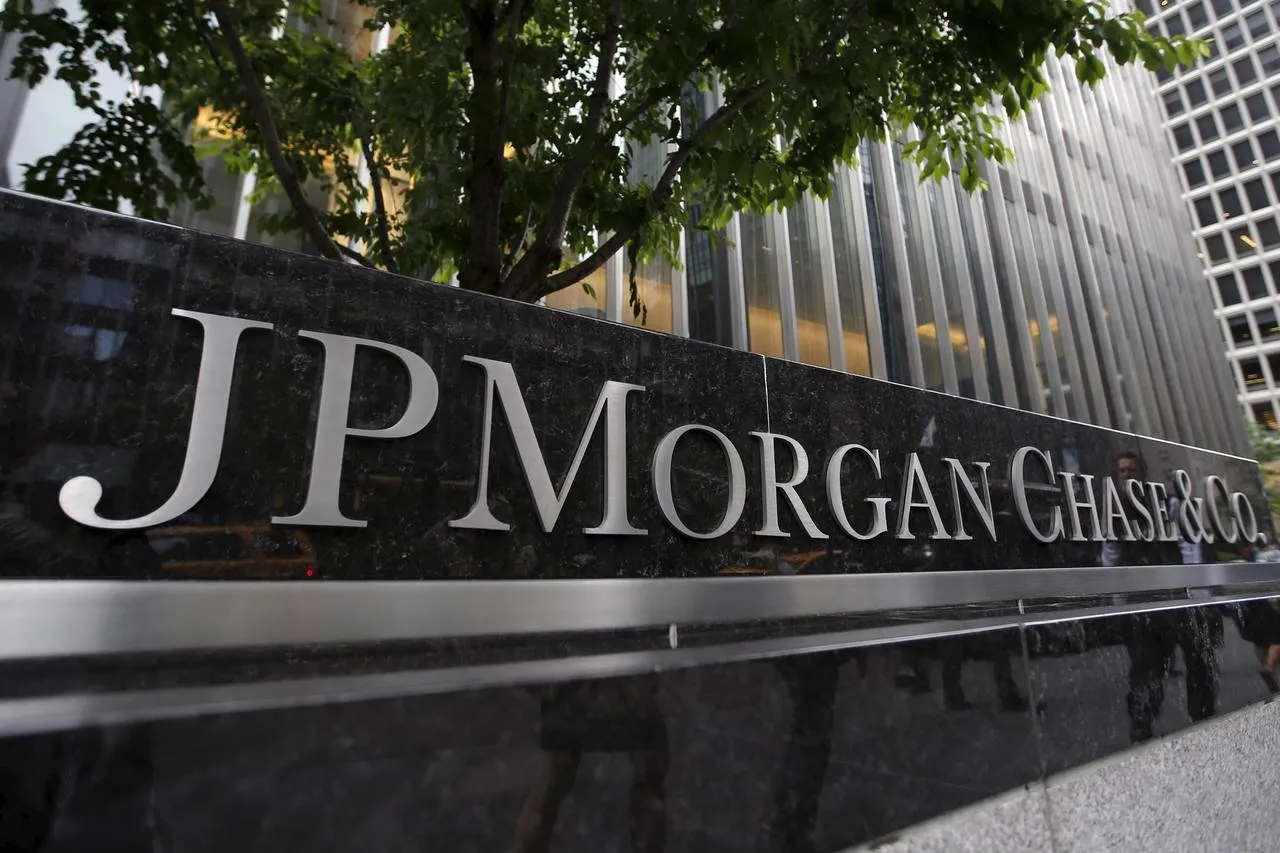
JPMorgan Executive Says Global Capital Markets Remain Open Despite Volatility

Global capital markets continue to function smoothly despite rising geopolitical tensions and increased volatility in financial markets, according to senior banking executives. Kevin Foley, global head of capital markets at JPMorgan, said investor demand for financing transactions remains strong even as global markets respond to geopolitical developments and shifting economic conditions. His comments reflect broader optimism among financial institutions that capital markets remain resilient and capable of supporting corporate financing activity during periods of uncertainty.
Financial markets have experienced increased volatility in recent weeks as geopolitical tensions in the Middle East have influenced commodity prices and investor sentiment. Despite these challenges, Foley noted that capital markets remain active, with companies continuing to access financing through bond offerings, equity issuance, and other financial instruments. Investors appear willing to allocate capital to corporate issuers that demonstrate stable financial performance and clear growth strategies, suggesting that underlying market demand remains intact even amid short-term uncertainty.
Market participants have also observed shifts in investor behavior as financial conditions evolve. In some cases, investors are adjusting portfolio allocations or rotating between sectors to manage risk more effectively. These adjustments reflect changing economic expectations rather than a withdrawal of capital from financial markets. Analysts say that such portfolio rotations are common during periods of geopolitical tension and market volatility, as investors seek opportunities while balancing risk exposure across different asset classes.
The continued activity in capital markets is also supported by strong liquidity conditions across global financial systems. Large institutional investors, including pension funds, asset managers and sovereign wealth funds, maintain significant pools of capital that must be deployed in financial markets. This steady supply of investment capital helps sustain demand for corporate debt and equity offerings even when broader economic conditions appear uncertain.
Corporate borrowers have also adapted to evolving market conditions by carefully timing financing transactions and structuring deals that appeal to investors. Many companies are prioritizing balance sheet stability and maintaining access to diversified funding sources to navigate potential economic headwinds. Financial advisers say that strategic planning and strong investor communication have become increasingly important as companies manage capital-raising efforts in a dynamic market environment.
In addition to geopolitical factors, investors are also closely monitoring inflation trends, interest rate expectations and global economic indicators. Central bank policies continue to influence borrowing costs and investment strategies across international markets. While uncertainty surrounding interest rates remains a key consideration for both issuers and investors, many financial institutions believe that markets remain well positioned to absorb fluctuations in economic conditions.
Overall, the resilience of global capital markets highlights the strength of modern financial infrastructure and the adaptability of investors during periods of uncertainty. As geopolitical tensions and economic developments continue to shape market conditions, financial institutions expect capital markets to remain an essential channel for companies seeking funding and investors searching for opportunities. Market participants will continue watching global economic trends closely to assess how evolving risks may influence financing activity in the months ahead.

Global Markets
US Exchange Leaders Call for Clearer Regulation as Prediction Markets Expand

Executives from major US stock exchanges are calling for clearer regulatory frameworks as prediction markets rapidly expand and attract increasing participation from retail and institutional investors. The emerging sector allows users to trade contracts based on the outcomes of real-world events such as elections, economic indicators, policy decisions and sporting events. While the concept has existed for years in limited forms, technological platforms and growing investor interest have recently accelerated the sector’s development, prompting industry leaders to urge regulators to establish consistent rules that can protect investors and maintain market integrity.
Prediction markets operate by allowing participants to buy and sell contracts linked to the probability of future events. The price of each contract reflects the market’s collective expectations about whether a particular outcome will occur. Supporters argue that these markets can serve as powerful forecasting tools because they aggregate the views of thousands of participants into real-time probability signals. In some cases, prediction market outcomes have been used by analysts, businesses and policymakers as indicators of public sentiment and expectations about economic or political developments.
However, as participation grows, concerns about regulation and oversight are becoming more prominent. Exchange executives say clearer rules are necessary to ensure that prediction markets operate transparently and maintain investor confidence. Without a consistent regulatory framework, industry leaders worry that the rapid expansion of these platforms could expose investors to manipulation risks, unfair practices or unclear legal standards. Regulators are therefore facing increasing pressure to determine how prediction markets should be categorized within existing financial and betting regulations.
Another factor driving interest in prediction markets is the rising participation of retail investors. Digital trading platforms have made it easier for individuals to access markets that were once limited to specialized financial institutions or research groups. This accessibility has led to a surge in trading activity as individuals seek to speculate on events ranging from economic data releases to political developments. Market observers say the influx of retail participants has helped boost liquidity but also increases the importance of robust regulatory protections.
Wall Street firms and financial technology companies are also exploring the potential of prediction markets as part of the broader evolution of digital financial services. Some analysts believe that these platforms could become valuable tools for forecasting economic trends, political outcomes and even corporate performance indicators. The integration of prediction markets with modern trading technology could potentially transform how investors assess probabilities and manage risk across multiple asset classes.
Despite these opportunities, critics argue that prediction markets share similarities with gambling because they allow participants to wager on uncertain future events. Concerns have also been raised about the possibility that individuals with insider information could influence market outcomes or profit unfairly from confidential knowledge. These risks have intensified calls for regulatory clarity to ensure that the growing sector operates under appropriate financial oversight.
Industry leaders believe that establishing transparent and consistent rules could help prediction markets develop responsibly while maintaining investor confidence. Regulators may need to determine how these markets fit within existing frameworks governing derivatives trading, commodities markets and financial speculation. Clear guidelines could also help distinguish legitimate forecasting markets from platforms that operate primarily as speculative betting environments.
As interest in prediction markets continues to grow, policymakers and financial regulators are expected to play a key role in shaping how the sector evolves. The challenge for regulators will be balancing innovation with investor protection while ensuring that emerging financial platforms operate within stable and transparent market structures. With retail participation increasing and institutional investors exploring new opportunities, prediction markets may become an increasingly visible part of the global financial landscape.
Global Markets
Pakistan Assures Stable Petrol Supply Despite Global Energy Market Volatility
Pakistan’s government has assured citizens that petrol supplies across the country remain stable despite growing volatility in global energy markets caused by geopolitical tensions in the Middle East. Authorities said national fuel inventories are currently sufficient and supply chains are operating normally, ensuring that petroleum products remain available throughout the country. Officials emphasized that proactive planning and close coordination among government departments, refineries, and importers have helped maintain supply stability even as global oil markets experience price fluctuations and logistical uncertainties linked to regional conflicts.
A high-level monitoring committee established by Prime Minister Shehbaz Sharif met to review developments in global energy markets and assess the country’s readiness to manage potential supply disruptions. The committee, chaired by Finance Minister Muhammad Aurangzeb, evaluated national stock levels of crude oil and refined petroleum products as well as shipment schedules for incoming cargoes. Officials confirmed that several import consignments are currently en route while additional cargo arrangements are being made to reinforce national reserves and ensure that supply remains uninterrupted in the weeks ahead.
During the meeting, participants reviewed the country’s energy supply chain logistics, including refinery operations, maritime transportation routes, and coordination with international energy suppliers. Authorities reported that domestic refineries are operating efficiently and that petroleum supply infrastructure across the country remains functional. The committee stressed the importance of maintaining optimal refinery throughput and ensuring continuous communication between energy sector stakeholders to prevent bottlenecks in the distribution network.
Officials also examined international energy price trends and market indicators amid heightened volatility in global oil markets. Rising tensions in the Middle East have pushed crude oil prices higher and increased uncertainty across energy trading hubs worldwide. Despite these pressures, the government stated that Pakistan’s current petroleum reserves and procurement strategies are adequate to absorb short-term market disruptions. Authorities said continuous monitoring of global price movements will remain essential to managing domestic energy planning and economic stability.
In addition to monitoring supply conditions, the committee discussed strategies aimed at reducing pressure on fuel imports during periods of international market instability. Energy conservation measures and demand management initiatives were reviewed as part of broader efforts to improve fuel efficiency across government operations and the private sector. Officials noted that responsible energy consumption and targeted conservation policies could help reduce import costs while supporting long-term energy security.
Operational issues affecting sectors such as aviation, logistics and transportation were also addressed during the meeting. Representatives from these industries raised concerns regarding fuel availability and supply coordination, prompting the committee to direct relevant authorities to conduct further assessments. A detailed review of operational challenges will be presented at the committee’s next meeting to ensure that any emerging issues are addressed promptly and efficiently.
The government has also strengthened coordination with provincial administrations to improve monitoring of petroleum product availability across retail markets. Provincial officials briefed the committee on inspection measures at petrol stations and enforcement mechanisms designed to prevent supply disruptions or hoarding. Authorities are also developing an integrated digital monitoring dashboard that will allow policymakers to track fuel inventories and supply conditions across the country in real time.
Finance Minister Muhammad Aurangzeb reaffirmed that Pakistan’s energy supply situation remains stable despite fluctuations in global markets. He emphasized that daily monitoring of international oil prices, domestic stock levels and supply chain operations will continue to ensure that timely policy decisions can be taken when needed. According to officials, sustained coordination among government agencies and energy sector stakeholders will remain critical to safeguarding the country’s fuel supply in an increasingly uncertain global energy environment.
Global Markets
Market Risks Mount as Global Economy Faces Pressures Beyond Iran Conflict

Rising geopolitical tensions linked to the conflict involving Iran have added new uncertainty to global financial markets, but economists warn that deeper structural risks were already building within the global economy before the crisis intensified. Investors across major financial centers are reassessing market outlooks as multiple economic challenges converge at once. These include stubborn inflation, evolving technology disruptions, and concerns about financial stability in rapidly growing credit markets. The conflict has amplified these worries by adding geopolitical risk to an already fragile economic environment, raising questions about how resilient global markets will remain in the coming months.
Financial analysts note that geopolitical tensions often trigger short-term volatility in markets, but broader economic factors typically shape long-term investor confidence. Inflation remains one of the most significant challenges facing global policymakers, with price pressures continuing to influence central bank decisions across major economies. Many investors had expected interest rate reductions in several advanced economies during the year, yet persistent inflation has complicated that outlook. If inflation remains elevated, central banks may be forced to maintain restrictive monetary policies longer than expected, which could slow economic growth and increase financial market volatility.
Another source of uncertainty comes from the global labor market, particularly in the United States, where some economic indicators suggest a gradual cooling in employment conditions. While the labor market remains relatively strong compared with historical standards, slower hiring trends and changing corporate investment strategies are prompting economists to watch closely for signs of a broader slowdown. A weaker labor market could reduce consumer spending and dampen overall economic momentum, adding further pressure to global growth prospects.
Rapid technological change is also reshaping the economic landscape as artificial intelligence becomes an increasingly influential force across industries. While AI innovation has the potential to drive productivity gains and economic growth, it is also introducing disruption across labor markets, financial services, and corporate strategies. Companies are investing heavily in AI development while policymakers are debating regulatory frameworks to manage the technology’s impact. Investors are therefore trying to assess how technological transformation could influence corporate profitability and long-term economic stability.
Financial markets are also paying closer attention to developments within the expanding private credit sector, which has grown significantly in recent years as companies increasingly seek financing outside traditional banking channels. Some analysts warn that rising interest rates and slowing economic conditions could expose weaknesses in heavily leveraged borrowers within the private credit market. If loan defaults increase, it could create broader financial stress across global markets, particularly in sectors that rely heavily on alternative financing.
Despite these challenges, global markets have demonstrated resilience in the face of multiple economic shocks over the past several years. Strong corporate earnings in certain sectors, continued innovation in technology industries, and steady investment flows into emerging markets have helped maintain overall market stability. However, analysts caution that the combination of geopolitical tensions, inflation pressures, financial sector risks, and technological disruption may create a more uncertain investment environment moving forward.
As investors navigate this complex landscape, market sentiment is likely to remain sensitive to both economic data and geopolitical developments. The Iran conflict has added another layer of uncertainty to an already fragile global economy, reinforcing the need for careful risk management across financial markets. In the months ahead, the balance between geopolitical stability, monetary policy decisions, and structural economic trends will play a critical role in shaping the direction of global markets.

USDC Circulation Expands as Stablecoin Liquidity Reenters Global Crypto Markets

Emerging Markets Turn to USDT for Cross Border Transactions as Dollar Liquidity Tightens

Crypto Liquidity and Capital Flows: Could Rising USDT Activity Influence Pakistan’s Equity Markets
Trending
PSX1 month agoCrypto Liquidity and Capital Flows: Could Rising USDT Activity Influence Pakistan’s Equity Markets
PSX1 month agoPSX Bloodbath as KSE100 Plunges Over 13,000 Points After Trading Resumes
PSX1 month agoPSX Plunges Over 11,000 Points as Middle East Tensions Shake Markets
PSX1 month agoKSE 100 Drops Over 1,300 Points After Early Session Recovery
PSX1 month agoPSX Trading Halted After KSE30 Triggers Market Circuit Breaker
Crypto1 month agoEthereum Tests ‘DVT-Lite’ System to Simplify Validator Setup for Institutional Staking
Local Affairs1 month agoPakistan’s Provincial Governments Accelerate Urban Development Plans
Global Affairs1 month agoGlobal Power Shifts Reshape Diplomacy as Emerging Alliances Redefine International Order