Connect with us

Automotive Tech & EVs

Global Automakers Race to Build the Fastest Charging EV Networks

The global electric vehicle industry is entering a new phase of competition as automakers race to develop faster and more extensive charging networks to support the rapid growth of electric mobility. As electric vehicles become more popular worldwide, reliable and efficient charging infrastructure has become one of the most critical factors influencing consumer adoption. In 2026, major automotive companies, energy providers, and technology firms are investing billions of dollars to build high-speed charging stations capable of dramatically reducing charging times. This global effort aims to make electric vehicle ownership more convenient and eliminate one of the biggest concerns for potential buyers—charging accessibility.

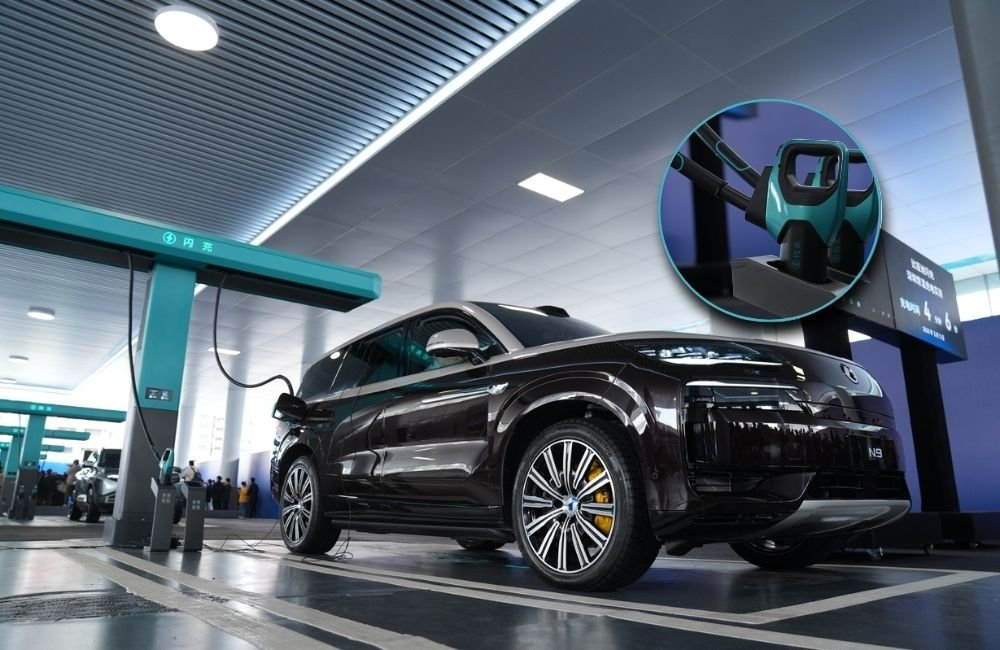
Fast-charging technology has advanced significantly in recent years, allowing electric vehicles to recharge much more quickly than before. Early EV charging systems often required several hours to fully charge a vehicle battery, but modern high-powered chargers can now restore a large portion of battery capacity in less than thirty minutes. Some next-generation charging systems are designed to deliver ultra-fast charging speeds that could add hundreds of kilometers of driving range in a short stop. These improvements are helping electric vehicles become more practical for long-distance travel and everyday commuting.

Automakers are increasingly collaborating with energy companies and infrastructure providers to expand charging networks across major markets. Several international partnerships have been formed to deploy thousands of fast-charging stations along highways, urban centers, and key transportation corridors. These stations are designed to support multiple vehicle models and provide consistent charging performance across different regions. The goal is to create a seamless charging experience for drivers regardless of where they travel, ensuring that EV users have reliable access to power during long journeys.

The expansion of charging networks is also being supported by government initiatives and public investment programs. Many countries have introduced policies aimed at accelerating the development of EV infrastructure as part of broader climate and energy strategies. Funding programs, tax incentives, and regulatory frameworks are encouraging private companies to invest in charging stations and related technologies. Governments recognize that widespread charging availability is essential for achieving long-term goals related to carbon emissions reduction and sustainable transportation.

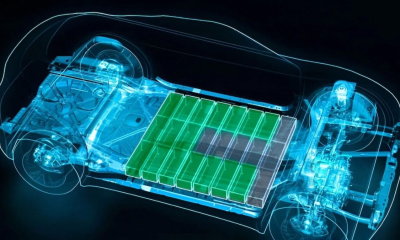
Technological innovation is playing a key role in improving charging performance and efficiency. Advances in battery management systems, power electronics, and charging connectors are helping vehicles handle higher charging speeds safely. Some manufacturers are developing vehicles with advanced battery architectures that support extremely high power inputs without damaging the battery. In addition, smart charging systems are being introduced to manage electricity demand more efficiently, allowing charging stations to balance energy loads and reduce strain on power grids.

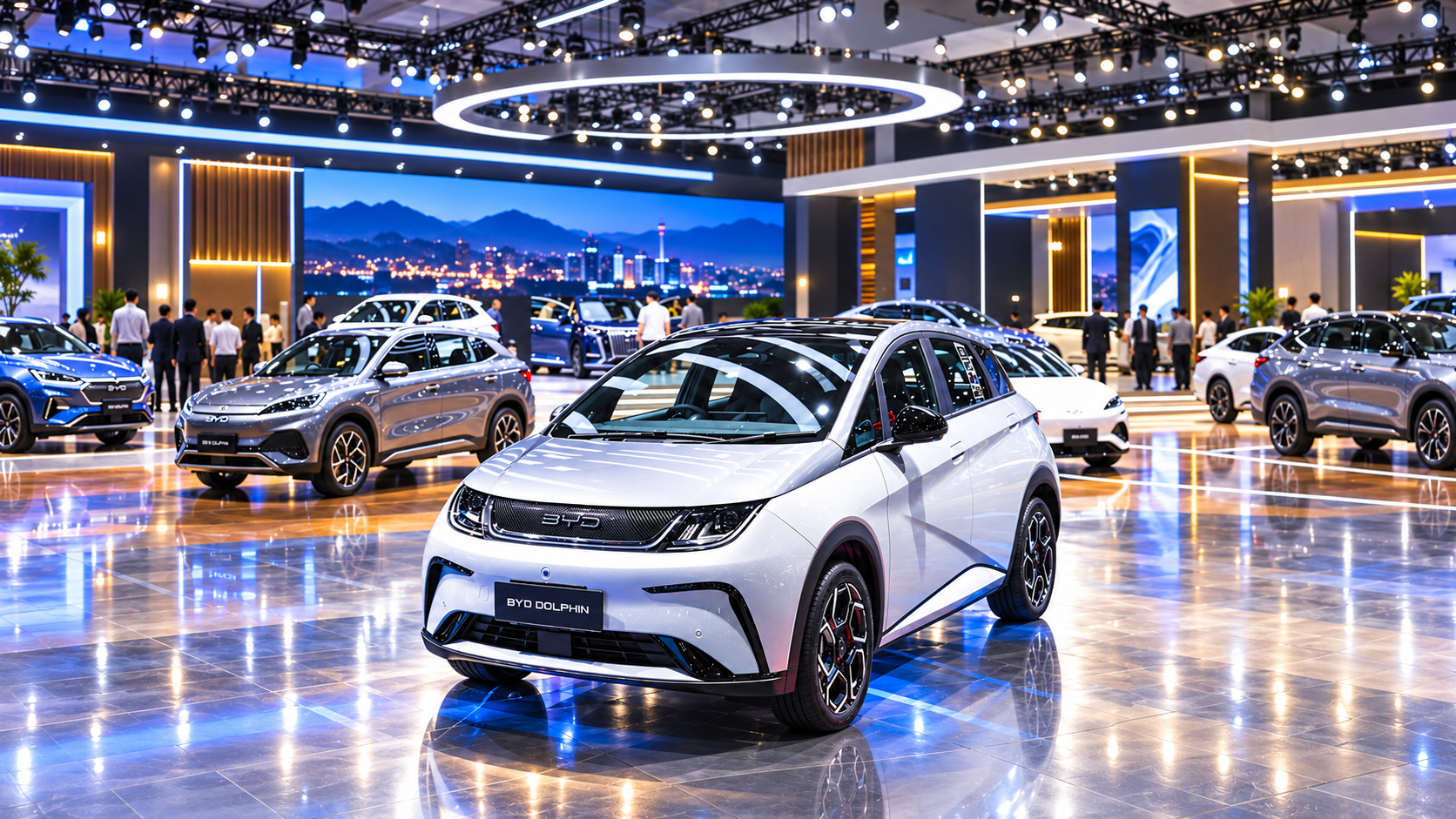
The competition to build the fastest and most accessible EV charging networks is also shaping the broader electric vehicle market. Automakers that offer reliable charging solutions alongside their vehicles are gaining a competitive advantage in attracting new customers. Many manufacturers are integrating charging services directly into their vehicle ecosystems, allowing drivers to locate stations, plan routes, and manage payments through digital applications connected to their vehicles.

As electric vehicle adoption continues to expand globally, charging infrastructure will remain a crucial component of the transition toward clean mobility. Industry experts expect the development of ultra-fast charging networks to accelerate further as technology improves and investments increase. With continued collaboration between automakers, energy companies, and governments, the race to build the fastest charging EV networks is likely to play a central role in shaping the future of transportation.

Share on:
Continue Reading
Click to comment

Leave a Reply

Your email address will not be published. Required fields are marked *

Automotive Tech & EVs

Autonomous Driving Technology Advances With AI Integration

Autonomous driving technology is advancing rapidly as artificial intelligence becomes a central component in the development of self-driving vehicles. Automakers and technology companies are investing heavily in AI-powered systems designed to help vehicles navigate roads, detect obstacles, and make real-time driving decisions without human intervention. In 2026, autonomous driving is moving closer to mainstream adoption as improvements in machine learning, sensor technology, and computing power continue to enhance vehicle safety and performance. While fully self-driving cars are still under development, many vehicles already feature advanced driver assistance systems that rely on artificial intelligence to support drivers during complex driving situations.

Artificial intelligence plays a critical role in enabling autonomous vehicles to understand and respond to their surroundings. Self-driving systems rely on a combination of sensors, cameras, radar, and lidar technology to collect data about the environment around the vehicle. AI algorithms process this information in real time, allowing the vehicle to identify road signs, traffic signals, pedestrians, and other vehicles. By analyzing these inputs, the system can make decisions about acceleration, braking, and steering while maintaining safe distances from surrounding traffic. Continuous improvements in AI training models are helping vehicles recognize increasingly complex traffic scenarios.

Machine learning is also helping autonomous systems improve through data collection and real-world testing. Each autonomous vehicle generates large amounts of driving data that can be used to refine AI models and improve decision-making accuracy. Developers use simulation environments and real-world driving tests to train algorithms under various road conditions, weather patterns, and traffic situations. This constant feedback loop allows self-driving systems to become more reliable over time as they learn from millions of kilometers of driving data collected from test vehicles and production models.

Many modern vehicles already include partial autonomous features designed to assist drivers. These features include adaptive cruise control, lane-keeping assistance, automated parking systems, and collision avoidance technology. While these systems still require human supervision, they represent important steps toward fully autonomous driving. Automotive manufacturers are gradually integrating higher levels of automation as regulatory frameworks and safety standards continue to evolve. The ultimate goal is to create vehicles capable of operating independently in most driving environments while maintaining the highest safety standards.

Autonomous driving technology also has the potential to transform transportation systems beyond personal vehicles. Self-driving technology is being explored for use in public transportation, logistics, and delivery services. Autonomous trucks and delivery vehicles could improve efficiency in supply chains, while self-driving taxis may reshape urban mobility by offering on-demand transportation without human drivers. These developments could reduce traffic congestion, improve road safety, and lower operational costs across various transportation sectors.

Despite rapid progress, several challenges remain before fully autonomous vehicles become widely available. Safety validation, regulatory approval, and infrastructure readiness are key factors that must be addressed before large-scale deployment can occur. Governments and industry leaders are working together to establish standards that ensure autonomous systems operate safely alongside human-driven vehicles. Ethical considerations and cybersecurity protections are also critical aspects of the ongoing development process.

As artificial intelligence continues to evolve, autonomous driving technology is expected to play an increasingly important role in the future of mobility. Continued innovation in AI algorithms, sensor systems, and vehicle connectivity will likely bring self-driving technology closer to everyday reality. While the journey toward fully autonomous transportation is still ongoing, the integration of artificial intelligence is already transforming how vehicles operate and how people think about mobility in the modern world.

Share on:
Continue Reading

Automotive Tech & EVs

The Future of Sustainable Mobility and Smart Transportation

The future of global transportation is being shaped by the growing demand for sustainable mobility and smarter urban infrastructure. As cities expand and environmental concerns intensify, governments, technology companies, and automakers are working together to develop transportation systems that are cleaner, more efficient, and better connected. In 2026, sustainable mobility is no longer just an environmental initiative but a major transformation in how people and goods move across cities and regions. Electric vehicles, intelligent traffic systems, and shared mobility platforms are becoming central components of modern transportation strategies designed to reduce emissions and improve urban living.

Electric vehicles are playing a critical role in the transition toward sustainable transportation. As countries introduce stricter emissions regulations and climate targets, automakers are accelerating the development of electric cars, buses, and commercial vehicles. These vehicles produce zero tailpipe emissions and can be powered by renewable energy sources, making them an important tool in reducing air pollution and greenhouse gas emissions. Many cities are also electrifying public transport fleets, including buses and taxis, as part of broader efforts to create low-emission transportation networks.

Smart transportation technology is also transforming how traffic is managed and how vehicles interact with infrastructure. Intelligent traffic management systems powered by data analytics and artificial intelligence can monitor traffic conditions in real time and adjust signals to reduce congestion. Connected vehicles are being developed to communicate with traffic lights, road sensors, and other vehicles, creating a more coordinated transportation environment. These technologies aim to improve road safety, reduce travel time, and make transportation networks more efficient for both drivers and public transit systems.

Shared mobility services are another important element in the development of sustainable transportation systems. Ride-sharing platforms, car-sharing services, and micro-mobility solutions such as electric scooters and bicycles are offering alternatives to private car ownership. These services allow people to access transportation when needed without the costs and environmental impact associated with maintaining personal vehicles. Urban planners see shared mobility as a way to reduce traffic congestion and parking demand while promoting more flexible transportation options for city residents.

Advancements in digital infrastructure are further supporting the growth of smart mobility. Mobile applications and integrated transportation platforms allow users to plan routes, compare transportation options, and manage payments through a single digital interface. Some cities are experimenting with integrated mobility systems that combine public transportation, shared vehicles, and micro-mobility services into unified networks. These platforms provide travelers with real-time information and encourage the use of more sustainable transportation modes.

Sustainable mobility initiatives are also closely linked to urban planning and environmental policy. Cities around the world are redesigning streets to prioritize public transport, cycling lanes, and pedestrian pathways. Investments in clean energy infrastructure, including renewable-powered charging stations, are helping support the electrification of transportation. Governments are also encouraging innovation through funding programs and partnerships aimed at developing advanced mobility technologies.

Looking ahead, the integration of electric vehicles, intelligent infrastructure, and shared transportation services is expected to redefine how mobility systems operate in modern cities. Sustainable mobility strategies aim to balance environmental responsibility with economic growth and urban efficiency. As technology continues to evolve and infrastructure improves, smart transportation systems are likely to become a defining feature of future cities, creating cleaner, safer, and more efficient ways for people to move.

Share on:
Continue Reading

Automotive Tech & EVs

Solid-State Batteries Could Transform the Next Generation of EVs

The electric vehicle industry is on the verge of a major technological breakthrough as solid-state batteries emerge as a promising solution for the next generation of electric cars. Researchers and automakers around the world are investing heavily in this advanced battery technology, which has the potential to significantly improve driving range, safety, and charging speed. As global demand for electric vehicles continues to grow, the development of more efficient and durable battery systems has become a key priority for the automotive sector. Solid-state batteries are widely viewed as one of the most important innovations that could shape the future of electric mobility in the coming decade.

Unlike conventional lithium-ion batteries currently used in most electric vehicles, solid-state batteries replace the liquid electrolyte with a solid material. This structural difference allows the battery to store more energy in a smaller space while reducing the risk of overheating or fire. Liquid electrolytes used in traditional batteries can sometimes lead to thermal instability under extreme conditions, whereas solid electrolytes are generally considered more stable and safer. As a result, solid-state technology has attracted strong interest from manufacturers seeking safer and more reliable battery solutions for high-performance electric vehicles.

One of the most significant advantages of solid-state batteries is their potential to dramatically extend driving range. Because they can store more energy per unit of weight, vehicles equipped with solid-state batteries could travel significantly farther on a single charge compared with current lithium-ion systems. Industry analysts suggest that future electric vehicles using solid-state technology may achieve ranges that rival or exceed those of gasoline-powered cars. This improvement could help address range anxiety, one of the major concerns among consumers considering the switch to electric vehicles.

Charging speed is another area where solid-state batteries may deliver substantial benefits. Faster charging capabilities would allow drivers to recharge their vehicles in much shorter periods, making electric vehicles more convenient for long-distance travel. Some research suggests that solid-state batteries could support ultra-fast charging while maintaining long-term durability. This capability would reduce waiting times at charging stations and improve the overall practicality of electric mobility, especially as EV adoption continues to expand globally.

Automakers and technology companies are already working to bring solid-state battery technology closer to commercial production. Several major automotive manufacturers have announced partnerships with battery developers and research institutions to accelerate innovation in this field. Prototype vehicles powered by solid-state batteries are being tested, and many companies are targeting the late 2020s for large-scale deployment. While challenges remain in terms of manufacturing cost and scalability, rapid progress in materials science and battery engineering suggests that these obstacles may gradually be overcome.

Despite the excitement surrounding solid-state batteries, experts caution that widespread adoption will likely take time. Producing these batteries at a scale suitable for mass-market vehicles requires new manufacturing techniques and supply chains. Engineers must also ensure that the batteries maintain long-term performance across thousands of charging cycles. However, continued investment and technological progress are expected to bring the technology closer to commercialization in the coming years.

If successfully developed and widely adopted, solid-state batteries could transform the electric vehicle industry by delivering safer, more efficient, and longer-lasting energy storage systems. Such advancements would not only improve the performance of electric vehicles but also accelerate the global transition toward sustainable transportation. As research and development continue, solid-state technology is expected to remain one of the most closely watched innovations in the evolving EV landscape.

Share on:
Continue Reading

Trending