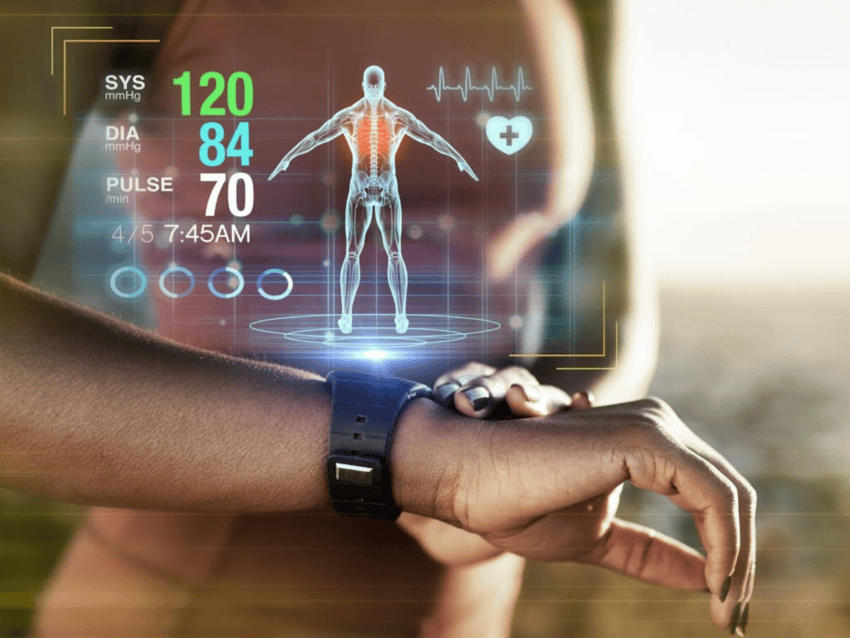
Wearable health technology is rapidly transforming the way individuals track and manage their personal fitness and overall well-being. Devices such as smartwatches, fitness bands, and health-monitoring rings have become increasingly popular as consumers seek convenient tools to monitor their daily physical activity and health indicators. In recent years, these devices have evolved far beyond simple step counters, incorporating advanced sensors capable of tracking heart rate, sleep patterns, blood oxygen levels, and other vital metrics. As awareness of preventive healthcare continues to grow worldwide, wearable health technology is playing an increasingly important role in helping individuals take a more proactive approach to maintaining their fitness and long-term health.
One of the key advantages of wearable fitness devices is their ability to provide real-time health data. These devices continuously monitor physiological signals throughout the day, giving users detailed insights into their activity levels and physical performance. For example, many modern wearables track steps taken, calories burned, and exercise intensity during workouts. Some devices also measure heart rate variability, which can help indicate levels of physical stress and recovery. By analyzing these metrics, users can better understand how their bodies respond to exercise and daily routines, enabling them to adjust their habits for improved fitness outcomes.
Sleep tracking has also become one of the most widely used features of wearable health technology. Quality sleep is now recognized as a critical factor in overall health, influencing physical recovery, cognitive performance, and emotional well-being. Many wearable devices are equipped with sensors that monitor sleep stages, including light sleep, deep sleep, and rapid eye movement sleep. The data collected can help users identify patterns that may affect sleep quality, such as irregular sleep schedules or high stress levels. With access to these insights, individuals can make informed changes to their lifestyle to improve rest and recovery.
In addition to personal fitness monitoring, wearable devices are increasingly being used to support broader health awareness. Some advanced wearables can detect irregular heart rhythms or alert users to potential health concerns based on unusual biometric patterns. This capability has attracted interest from healthcare professionals, as wearable technology may help identify early signs of health issues before they become more serious. While wearable devices are not intended to replace medical diagnosis, they can provide valuable health indicators that encourage users to seek professional advice when needed.
The growing integration of wearable technology with mobile health applications is also enhancing its usefulness. Most fitness devices connect to smartphone apps that analyze collected data and present it in easy-to-understand dashboards. These platforms often provide personalized recommendations for exercise routines, hydration, nutrition, and stress management. Some apps even offer coaching features that guide users through workouts or suggest ways to improve daily activity levels. This combination of data tracking and digital coaching has made wearable health technology an important tool for individuals aiming to maintain consistent fitness habits.
Looking ahead, the wearable health technology market is expected to continue expanding as new innovations emerge. Researchers and technology companies are working to develop sensors capable of monitoring additional health indicators, such as blood glucose levels and hydration status. As these capabilities evolve, wearable devices may become even more integrated with healthcare systems, supporting preventive care and remote patient monitoring. For consumers, the continued development of wearable technology promises a future where personal health insights are more accessible, empowering individuals to take greater control of their fitness and well-being.










 Artificial Intelligence4 months ago

 Football3 months ago

 Latest News7 months ago

 Latest News7 months ago

 Football3 months ago

 Latest News7 months ago

 Latest News7 months ago

 Latest News7 months ago