
Elections
Youth Voters Become Decisive Force in Global Elections
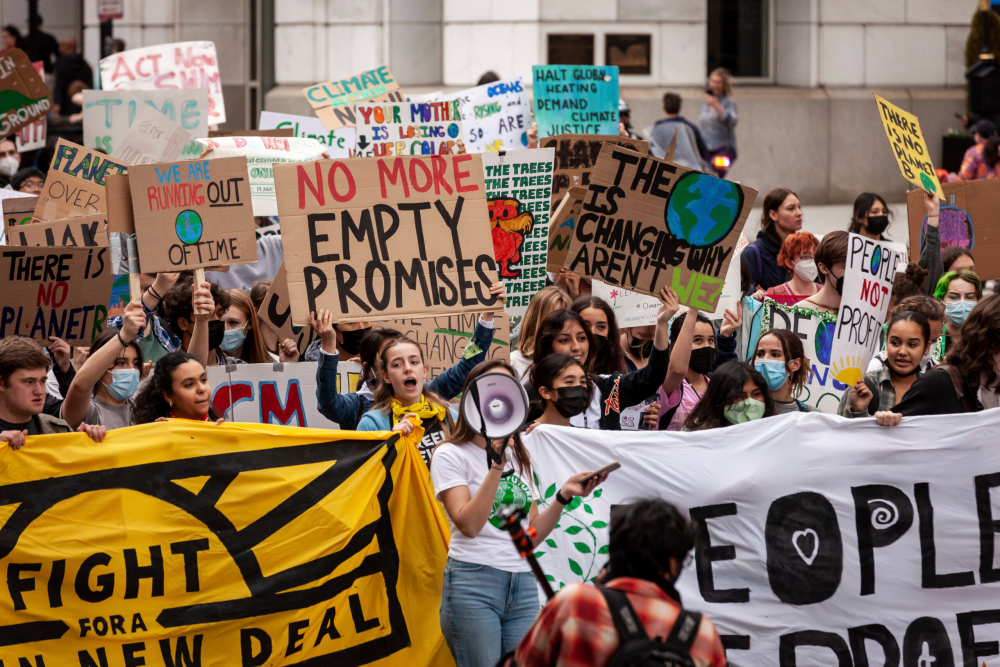
Youth voters are emerging as one of the most influential forces shaping election outcomes across many countries as younger generations become increasingly engaged in political processes. With expanding access to education, digital media, and social platforms, younger citizens are more informed and vocal about political issues than previous generations. In 2026, political analysts widely recognize that youth participation in elections can significantly influence policy debates, campaign strategies, and electoral results.
Demographic trends are playing a major role in the growing political influence of younger voters. In many countries, people under the age of 35 represent a substantial portion of the electorate. This demographic group often brings new priorities to political discussions, including concerns related to employment opportunities, education systems, climate policy, digital freedoms, and social equality. As their share of the voting population grows, political parties are increasingly designing campaign strategies that appeal directly to younger voters.
Political engagement among youth has expanded through both traditional participation and digital activism. Social media platforms have created spaces where young people can discuss political ideas, organize campaigns, and raise awareness about issues that matter to them. Online discussions, digital petitions, and community campaigns allow younger voters to influence public debate even before election cycles begin. These platforms also help young voters share political information rapidly, contributing to broader public engagement.
Youth participation in elections has historically varied depending on political conditions and voter registration systems. However, recent elections in several countries have shown rising voter turnout among younger age groups. Election observers note that youth engagement tends to increase when elections focus on issues that directly affect younger generations, such as economic opportunities, education reforms, housing affordability, and environmental policies. Political candidates who address these concerns effectively often gain stronger support from younger voters.
Political parties are adapting their campaign strategies to connect with youth audiences more effectively. Campaign messaging is increasingly designed for digital platforms where younger voters spend significant time. Political organizations are using short-form video content, online town halls, and interactive digital campaigns to reach younger audiences. These strategies allow candidates to present their policy positions in formats that are accessible and engaging for younger voters.
Educational institutions and civic organizations are also playing an important role in encouraging youth participation in elections. Programs aimed at promoting civic education help young people understand the importance of democratic processes and informed voting. Universities, community groups, and non-governmental organizations often host debates, voter registration drives, and awareness campaigns designed to increase youth involvement in political decision-making.
The growing influence of youth voters is also shaping political agendas. Many governments and political leaders are placing greater emphasis on policies related to climate change, digital innovation, and economic opportunity for younger generations. Political analysts note that issues such as environmental sustainability, job creation, and technological development frequently resonate strongly with younger voters and are increasingly featured in national election campaigns.
At the same time, challenges remain in ensuring that youth voices are consistently represented in political systems. Barriers such as limited access to voter registration, lack of political representation, and economic inequalities can affect youth participation in some regions. Policymakers and election authorities are exploring reforms that make voting more accessible and encourage broader participation among younger citizens.
Looking ahead, the political influence of youth voters is expected to continue expanding as younger generations become more engaged in shaping public policy and democratic institutions. As demographic trends evolve and digital connectivity increases, youth participation will likely remain a powerful factor in determining electoral outcomes and influencing the future direction of political systems around the world.




Elections
BMG Victory Over BMA in Karachi Chamber’s 30-Seat Election

Karachi Chamber of Commerce and Industry (KCCI) elections for the 2026–28 term. Businessmen Group (BMG) Chairman Zubair Motiwala said his group won 82% of the vote, while rival candidates received 18%. BMG faced the opposition Businessmen Alliance (BMA), chaired by Asif Sakhi. Of 16,885 registered voters, 3,582 cast ballots. The corporate class recorded 1,799 votes from 8,843 registered voters, while the associate class recorded 1,783 votes from 8,042. The reported turnout was approximately 23%, compared with 28% last year. However, the supplied voter and ballot totals calculate to 21.2% turnout, so the reported percentage requires confirmation. Last year, 4,125 ballots were cast—543 more than this year. A total of 59 candidates contested 30 seats, with 15 corporate and 15 associate seats. Polling ran from 9:00 a.m. to 5:30 p.m.; the election of office-bearers is scheduled for September 30. BMG is described as unbeaten for 26 years and as having lost no seat for 27 years.
Elections
PM Seeks Stronger Agricultural Coordination
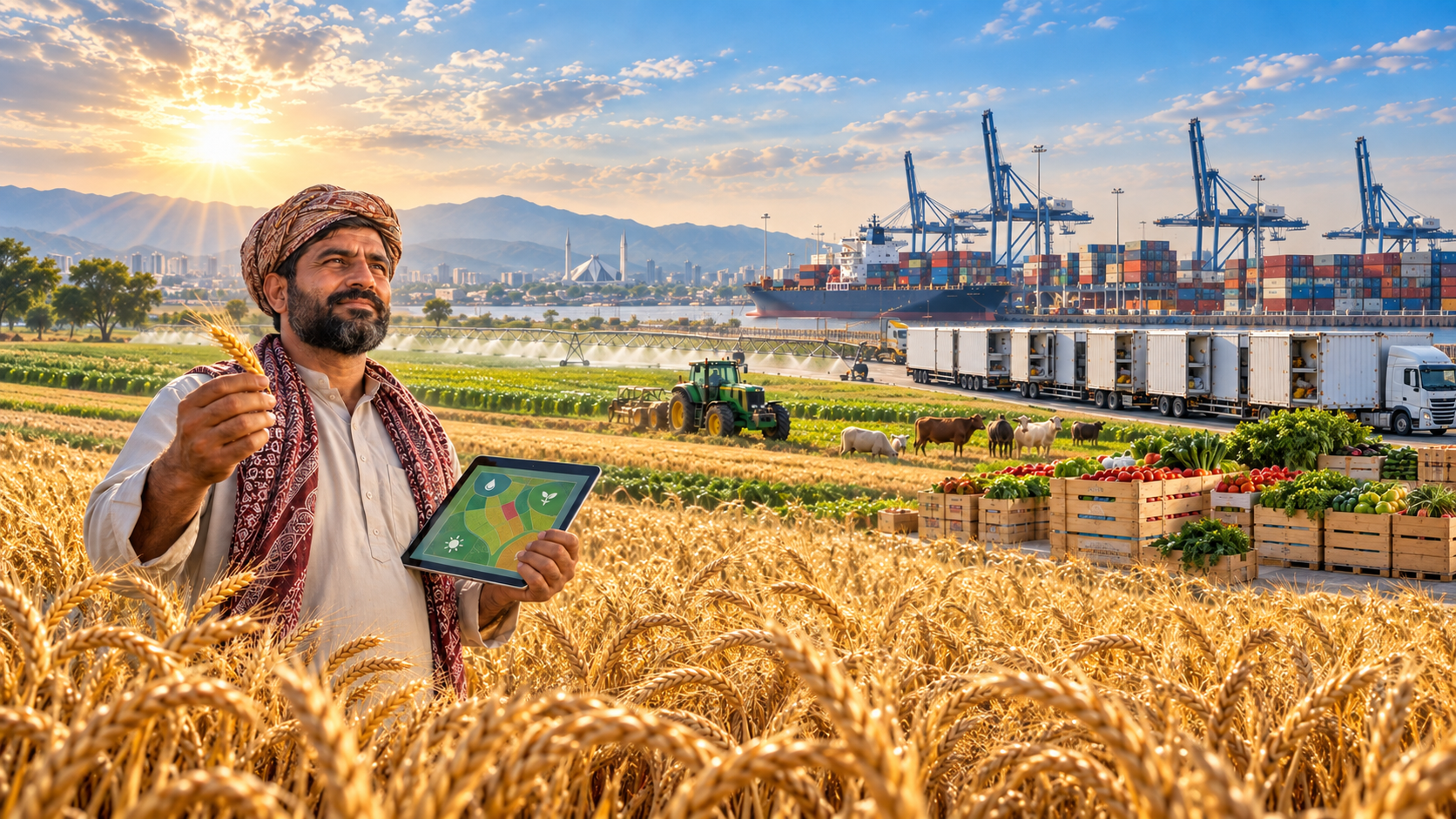
Prime Minister Shehbaz Sharif has called for stronger coordination between federal and provincial governments to increase per-acre agricultural productivity, introduce modern farming innovations and develop Pakistan’s livestock sector. Chairing a meeting on agriculture and export promotion, he directed authorities to expand international market access for Pakistani agricultural products and identify new export destinations. The prime minister also ordered an effective media campaign to educate farmers about the mobile application designed for crop monitoring.
Elections
Data Analytics and AI Tools Redefine Modern Campaign Strategies

Data analytics and artificial intelligence are rapidly transforming how political campaigns are organized and executed, introducing new tools that allow candidates and political parties to understand voter behavior with greater precision. In modern elections, campaigns increasingly rely on data-driven insights to shape messaging, allocate resources, and engage with voters across digital platforms. By combining large datasets with advanced analytical technologies, political strategists are developing more targeted approaches to communication and voter outreach.
One of the most important advantages of data analytics in political campaigns is the ability to analyze voter preferences and demographic trends. Campaign teams collect and process information from voter registration records, public surveys, social media activity, and other publicly available datasets. By examining patterns in this information, analysts can identify key voter groups and understand which policy issues resonate most strongly with different segments of the electorate. These insights help campaigns craft messages that are more relevant and persuasive for specific audiences.
Artificial intelligence is expanding the capabilities of political data analysis even further. Machine learning systems can process vast amounts of data and identify trends that might not be visible through traditional analysis. AI tools are increasingly used to forecast voter behavior, evaluate campaign performance, and recommend adjustments to messaging strategies. These technologies allow campaign managers to respond more quickly to changing political dynamics and refine their strategies throughout the election cycle.
Digital communication platforms are closely connected with the use of data analytics in modern political campaigns. Online advertising networks enable campaigns to deliver highly targeted messages to voters based on demographic characteristics, geographic location, and online interests. Data-driven advertising allows campaigns to focus their outreach on specific communities where voter engagement could have the greatest impact on election outcomes. This approach can improve campaign efficiency while reducing the costs associated with traditional mass media advertising.
Data analytics is also transforming grassroots political organizing. Campaign volunteers and field teams now use digital tools that track voter interactions, coordinate outreach activities, and measure the effectiveness of campaign efforts. Mobile applications allow campaign workers to record feedback from voters, update campaign databases in real time, and plan future engagement strategies based on collected information. These systems help campaigns maintain consistent communication with supporters throughout the election period.
Fundraising efforts have also been influenced by the use of data-driven campaign strategies. Political organizations analyze donor behavior and engagement patterns to identify individuals who are more likely to contribute to campaigns. AI tools can recommend targeted fundraising messages and identify the most effective communication channels for reaching potential donors. This analytical approach helps campaigns build sustainable funding networks and maintain financial stability during election cycles.
While data analytics and AI technologies offer many advantages for political campaigns, they also raise important questions about privacy, transparency, and ethical use of data. Governments and election regulators are examining how political organizations collect and use voter data to ensure that campaigns comply with legal standards. In many countries, new regulations are being considered to increase transparency in digital political advertising and protect voter privacy.
Technology companies are also playing a role in shaping how data analytics tools are used in political communication. Social media platforms and digital advertising networks are implementing policies designed to provide greater transparency in political advertisements and limit the misuse of personal data. These measures aim to maintain public trust in digital platforms while allowing political campaigns to use technology responsibly.
Despite the challenges, data analytics and artificial intelligence are expected to remain central to modern campaign strategies. As digital communication technologies continue to evolve, political organizations will likely adopt even more advanced tools for analyzing voter behavior and delivering campaign messages. The integration of technology into political campaigning reflects the broader transformation of democratic processes in the digital age.



Trending

 Artificial Intelligence4 months ago
South Korea Unveils $880 Billion AI and c Investment Plan

 Football3 months ago
Better Future Pakistan | Match -1 | Norway

 Latest News7 months ago
Crypto Liquidity and Capital Flows: Could Rising USDT Activity Influence Pakistan’s Equity Markets

 Latest News7 months ago
Etihad Town Phase I Introduces Overseas Block with Residential and Commercial Plot Opportunities in Lahore

 Football3 months ago
Better Future Pakistan | LIVE Match | Norway

 Latest News7 months ago
From Catalog Clicks to Conversational AI: How Moeed Sheikh Is Building Revenue Driven Digital Experiences

 Latest News7 months ago
Punjab Introduces Mandatory Underground Infrastructure Rules for New Housing Societies in Lahore

 Latest News7 months ago
PSX Bloodbath as KSE100 Plunges Over 13,000 Points After Trading Resumes