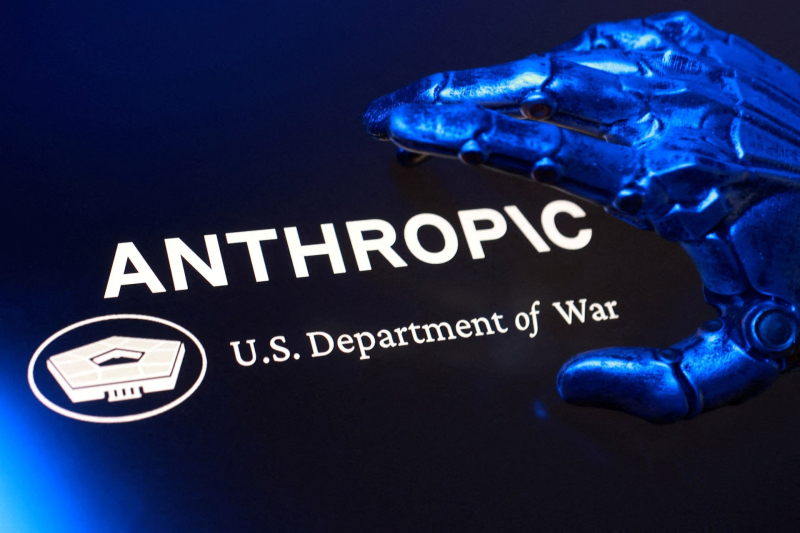
Artificial intelligence company Anthropic has filed a lawsuit against the U.S. Department of Defense after the Pentagon moved to blacklist the firm from certain government systems over restrictions placed on its AI technology. The legal challenge marks a significant escalation in tensions between the AI research company and U.S. defense officials who have raised concerns about the limitations Anthropic placed on the use of its artificial intelligence systems in military environments.
Anthropic argues that the government’s decision to designate the company as a supply chain risk and potentially exclude it from defense and federal technology systems violates constitutional protections. According to the company, the designation unfairly penalizes it for setting ethical boundaries on how its artificial intelligence tools can be used, particularly when it comes to autonomous weapons and domestic surveillance.
Dispute Centers on AI Guardrails and Military Use
The conflict between Anthropic and the Pentagon centers on the company’s refusal to remove restrictions embedded in its AI models. These guardrails prevent its technology from being used for certain activities such as fully autonomous weapons systems or surveillance targeting civilians inside the United States.
The Pentagon’s decision to classify the company as a potential supply chain risk came after months of negotiations between government officials and Anthropic executives. Defense officials reportedly argued that the restrictions could limit operational flexibility for military agencies seeking to deploy advanced AI capabilities.
Anthropic, however, maintains that the current generation of artificial intelligence is not reliable enough to be entrusted with life and death decisions in battlefield environments. The company has stated that allowing AI systems to operate autonomous weapons without human oversight could create serious safety risks and unpredictable outcomes.
Pentagon Designation Could Impact Government Contracts
The designation by the U.S. Defense Department carries significant implications for Anthropic’s business. Government contracts represent a rapidly growing market for AI companies as federal agencies increasingly invest in artificial intelligence for data analysis, cybersecurity, intelligence gathering, and logistics operations.
According to industry analysts, a supply chain risk designation could prevent federal agencies from deploying Anthropic’s AI technology within government systems. This could also affect partnerships with contractors and enterprise clients that work closely with defense agencies.
Technology market analysts say the legal dispute could create uncertainty for companies considering deploying Anthropic’s AI models in enterprise environments. Some businesses may delay or reconsider projects until the legal status of the company’s technology in government systems becomes clearer.
AI Companies Navigating National Security Pressures
The case highlights the complex relationship between artificial intelligence developers and national security institutions. Over the past few years, governments around the world have increasingly sought access to advanced AI technologies to support military planning, intelligence operations, and cybersecurity defense.
At the same time, many AI companies have introduced internal policies that restrict certain uses of their technology. These restrictions are designed to prevent applications that could lead to human rights violations, mass surveillance, or uncontrolled autonomous weapon systems.
Anthropic has positioned itself as a company focused on AI safety and responsible development. Chief Executive Officer Dario Amodei has previously stated that while AI technologies may eventually be used in military systems, the current generation of models lacks the reliability needed for autonomous decision making in combat scenarios.
These concerns have led the company to impose strict guidelines on how its AI platform, including its Claude language model, can be deployed. According to Anthropic, removing these safeguards could create serious ethical and security risks.
Broader Impact on the Artificial Intelligence Industry
The outcome of the legal dispute could shape how other AI companies negotiate relationships with governments and defense agencies. Artificial intelligence is becoming a strategic technology for national security, and governments are investing billions of dollars to integrate AI into defense infrastructure.
The U.S. Department of Defense has recently signed agreements worth up to $200 million with several leading artificial intelligence developers. These deals involve companies such as Anthropic, OpenAI, and Google, highlighting the growing importance of AI in military operations and digital infrastructure.
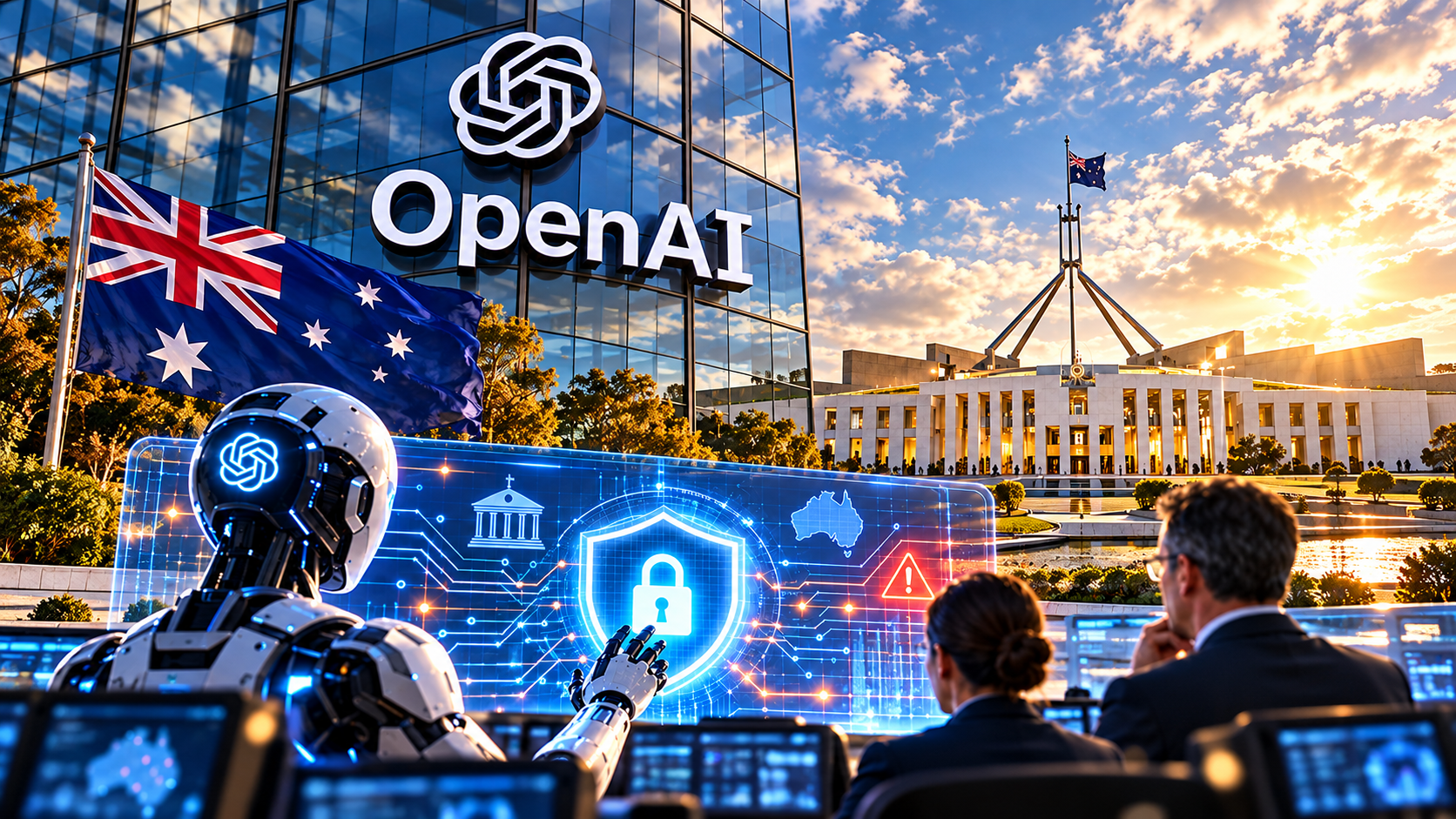
Shortly after the Pentagon moved to blacklist Anthropic, reports indicated that OpenAI secured a major agreement to deploy its technology within defense department networks. The development underscores how quickly government technology partnerships can shift as agencies seek reliable suppliers capable of meeting both security requirements and operational needs.
Industry experts believe the dispute may also influence future regulatory frameworks for artificial intelligence. Governments are still developing policies that balance national security priorities with ethical standards and corporate autonomy.
Legal and Policy Implications
Anthropic’s lawsuit claims the government’s actions violate constitutional protections related to free speech and due process. The company argues that it should not face government penalties simply for expressing policy views about responsible AI deployment.
Legal experts say the case could become an important precedent for the emerging AI sector. If courts rule in favor of the company, it could limit the ability of government agencies to pressure technology firms into altering safety policies. On the other hand, a ruling supporting the Pentagon could strengthen the government’s authority to regulate which technologies are allowed in federal systems.
As artificial intelligence becomes increasingly central to national security strategies, the relationship between AI developers and government institutions will likely face further scrutiny.
Outlook
The legal battle between Anthropic and the Pentagon reflects the growing intersection of artificial intelligence, national security, and corporate ethics. As governments expand their reliance on AI technologies, companies developing these systems will continue to face difficult decisions about how their tools can be used. The outcome of this case could influence how the global AI industry balances innovation, safety, and government oversight in the years ahead.







 Artificial Intelligence4 months ago
 Football3 months ago
 Latest News7 months ago
 Latest News7 months ago
 Football3 months ago
 Latest News7 months ago
 Latest News7 months ago
 Latest News7 months ago