Countries across the Global South are playing an increasingly influential role in shaping international policy as economic growth, demographic shifts, and diplomatic cooperation redefine the global balance of power. Emerging economies in regions such as Asia, Africa, Latin America, and the Middle East are expanding their presence in international forums and contributing more actively to discussions on global trade, development, climate policy, and security cooperation. In 2026, the growing influence of the Global South is reshaping the dynamics of international governance and decision-making.
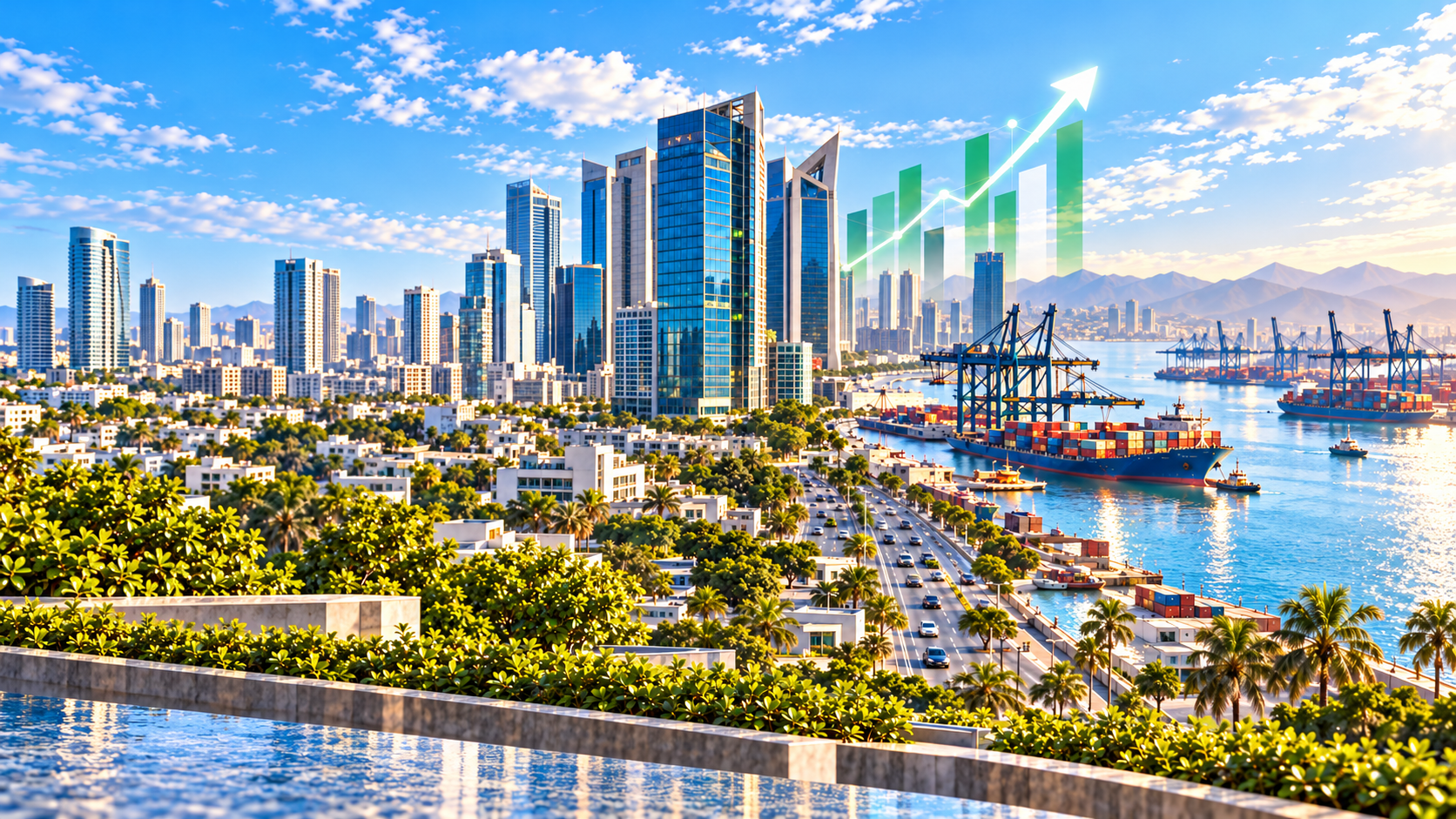
The term Global South broadly refers to developing and emerging economies that have historically had limited influence within international political and economic institutions. However, rapid economic development in several countries over the past two decades has strengthened their positions within the global system. Many of these nations are now among the world’s fastest-growing economies, contributing significantly to global trade, manufacturing, and technology development. Their expanding economic weight has provided greater leverage in international negotiations and policy discussions.
Multilateral organizations and international institutions are increasingly reflecting the voices and priorities of Global South countries. Governments from these regions are advocating for reforms in global financial institutions, trade organizations, and climate negotiations to ensure that international policies better reflect the interests of developing economies. Issues such as development financing, debt sustainability, climate adaptation, and equitable access to technology are frequently raised by these nations during global policy discussions.
Economic cooperation among Global South countries is also strengthening their collective influence. Regional partnerships and economic blocs are creating new platforms for collaboration on trade, infrastructure investment, and technological development. These partnerships help member states coordinate policy positions in international negotiations while also supporting economic growth within their respective regions. Expanded trade agreements and development initiatives are allowing Global South economies to diversify their economic relationships and reduce dependence on traditional global powers.
Population growth is another factor contributing to the increasing importance of the Global South. Many countries in Africa, South Asia, and Southeast Asia have rapidly expanding populations, creating large consumer markets and growing labor forces. These demographic trends are attracting international investment and increasing the strategic importance of these regions in global economic planning. As these markets expand, their governments gain greater influence in shaping global economic and development policies.
Climate policy has become a major area where Global South nations are asserting their influence. Many developing countries are among the most vulnerable to the impacts of climate change, including extreme weather events, rising sea levels, and agricultural disruptions. As a result, they are advocating strongly for international climate agreements that include financial support for climate adaptation, technology transfer, and sustainable development initiatives. Their participation in global climate negotiations is helping shape the direction of international environmental policy.
Technological development is also contributing to the growing influence of the Global South. Emerging economies are investing heavily in digital infrastructure, telecommunications networks, and innovation ecosystems. Technology-driven sectors such as fintech, renewable energy, and digital commerce are expanding rapidly in many developing regions. As these sectors grow, Global South countries are gaining greater influence in shaping international regulations governing digital trade and technological standards.
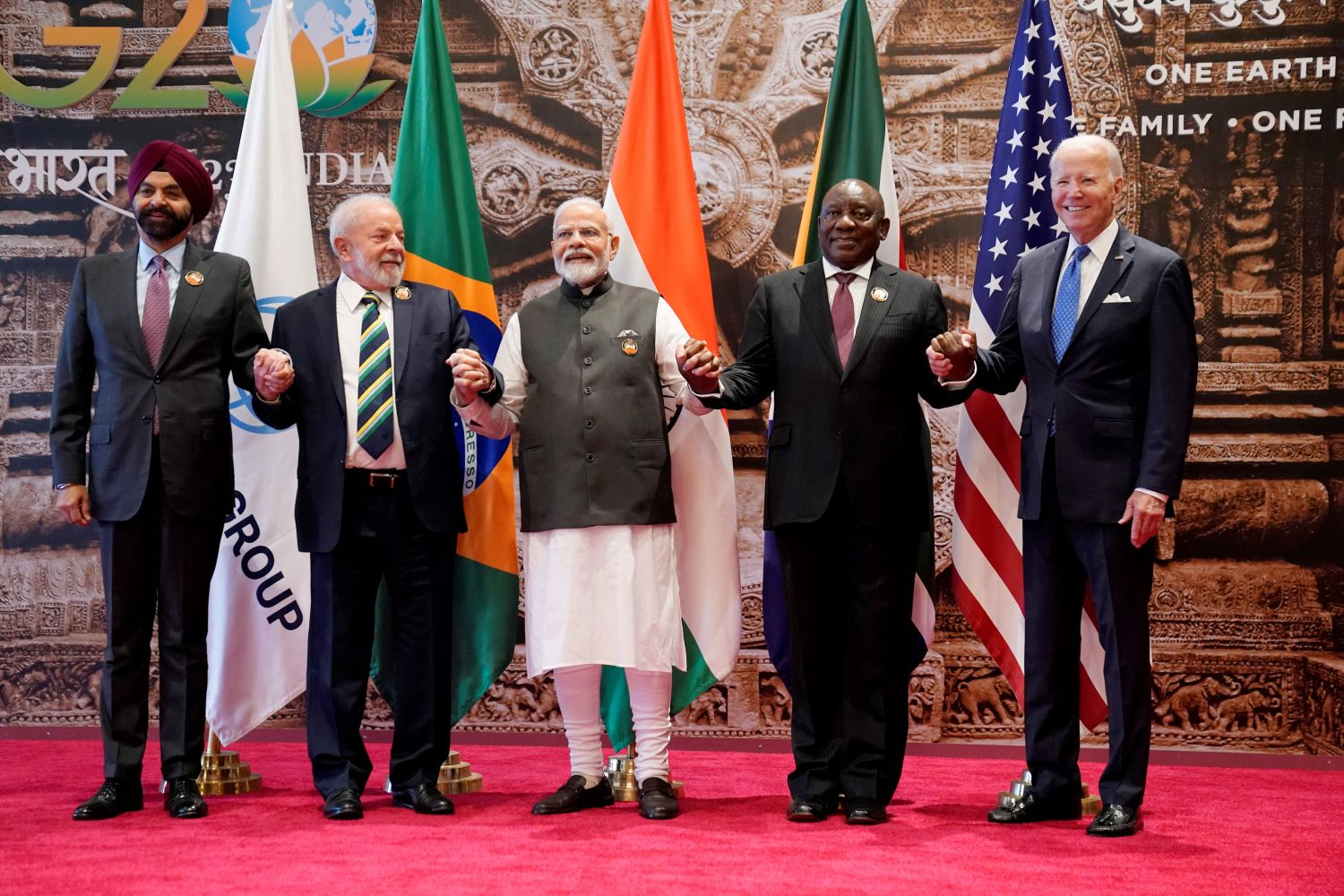
Diplomatic cooperation among developing nations has also increased in recent years. International summits and regional forums provide platforms where leaders from Global South countries can coordinate policy positions and advocate for shared priorities. These gatherings often focus on economic development, infrastructure investment, and strategies for addressing global challenges such as climate change and economic inequality.
Despite their growing influence, Global South countries continue to face significant challenges related to economic inequality, infrastructure gaps, and development financing. Addressing these issues will require continued collaboration with international institutions and private sector partners. Nevertheless, the rising economic and political importance of these regions is expected to play an increasingly prominent role in shaping global policy debates.
As the global political and economic landscape continues to evolve, the influence of the Global South is likely to expand further. Emerging economies will continue to contribute new perspectives and priorities to international discussions, helping create a more diverse and representative global governance system in the years ahead.










 Artificial Intelligence4 months ago
 Football3 months ago
 Latest News7 months ago
 Latest News7 months ago
 Football3 months ago
 Latest News7 months ago
 Latest News7 months ago
 Latest News7 months ago