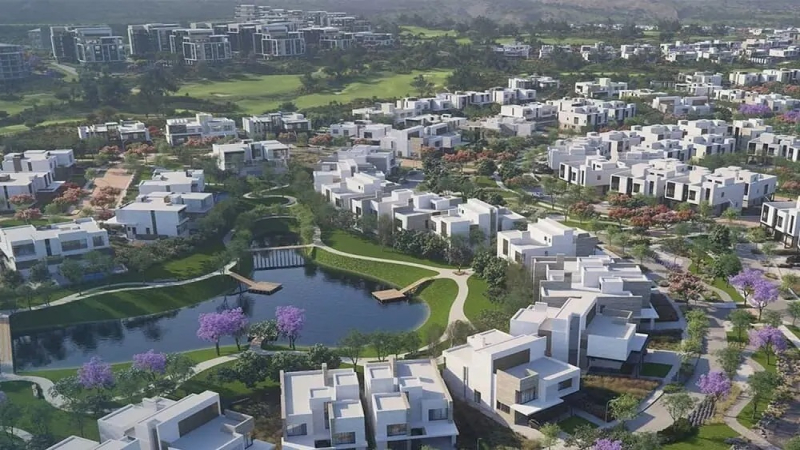
Pakistan’s real estate sector has been described as the country’s “mother industry” with an estimated asset value of around Rs100 trillion, highlighting its enormous economic potential and deep connections with multiple sectors of the economy. The observation was shared during discussions on Pakistan’s Real Estate Investment Trust ecosystem at the First International Capital Market Conference, where industry experts emphasized the importance of integrating real estate with the formal financial system. Officials noted that despite the sector’s vast size and economic importance, structural challenges such as informality, limited investor access, and regulatory fragmentation have prevented the industry from reaching its full potential.
REIT Framework Seen as Key to Formalizing Property Sector
During the conference, the chief executive of Arif Habib Dolmen REIT outlined how Real Estate Investment Trust structures can play a central role in transforming Pakistan’s property market. He described real estate as a massive asset class that remains underutilized due to the absence of structured investment channels capable of attracting institutional capital.
According to the presentation, REITs provide a regulated investment platform that allows investors to participate in professionally managed property projects through transparent financial structures. By pooling capital from investors and deploying it into real estate developments, REITs can improve governance standards while expanding investment opportunities in the property sector.
Industry experts believe that adopting structured investment models could help reduce informality in the real estate market while encouraging greater transparency in property transactions and development activities.
Institutional Structure Supports Investor Protection
The REIT system in Pakistan operates through a multi-layered institutional framework designed to safeguard investor interests and ensure regulatory oversight. Within this structure, trustees are responsible for protecting the assets of the REIT, while REIT Management Companies oversee investment operations and project development.
Other key participants in the ecosystem include property managers responsible for asset maintenance, development advisors guiding project execution, independent valuers providing property assessments, auditors monitoring financial compliance, and Shariah advisors ensuring adherence to Islamic finance principles where applicable.
Investors typically participate in REITs through units traded on the Pakistan Stock Exchange, allowing individuals and institutions to gain exposure to real estate assets without directly purchasing property. This capital market integration helps expand access to property investments for a wider range of investors.
Pakistan’s REIT Sector Shows Gradual Growth
According to industry statistics presented at the conference, Pakistan’s REIT sector currently includes 34 licensed REIT Management Companies and 25 registered REIT schemes with combined assets valued at approximately Rs208.7 billion. These figures indicate steady progress in the development of the country’s regulated property investment market.
Among the most prominent projects in the sector is Dolmen City REIT, recognized as the region’s first listed real estate investment trust. Other recent developments include hybrid and development oriented REIT structures such as Globe Residency REIT, TPL REIT Fund I, and Image REIT, which demonstrate the expanding range of investment models being introduced within the industry.
Market participants say that the gradual expansion of the REIT ecosystem could provide an alternative financing channel for large real estate projects while enabling investors to participate in property assets through regulated financial instruments.
Challenges Continue to Limit Sector Expansion
Despite the progress achieved in recent years, several structural challenges continue to limit the rapid expansion of Pakistan’s REIT market. Industry experts highlighted concerns related to taxation policies, which are often viewed as unfavorable for real estate investment trusts and could discourage potential investors.
Other challenges include the continued dominance of informal property transactions, fragmented regulatory oversight across different institutions, limited availability of formal financing options for developers, and relatively low awareness among investors regarding REIT investment opportunities.
Addressing these issues will be essential if policymakers aim to expand the role of REITs within Pakistan’s broader financial and property sectors.
Opportunities Emerging for Institutional Capital
Despite existing obstacles, industry leaders believe the REIT sector holds significant potential for future growth. Policymakers are increasingly focused on strengthening capital markets and improving regulatory frameworks that can attract institutional investors into real estate investment vehicles.
The growing demand for urban infrastructure and commercial developments across major cities could create opportunities for REIT structures to finance large scale property projects. Additionally, the development of Shariah compliant REIT models may attract participation from investors seeking Islamic investment options.
With a growing pipeline of property projects and increasing interest from financial institutions, the REIT sector could eventually become an important pillar of Pakistan’s investment landscape.
Outlook for Pakistan’s REIT Industry
Experts believe that integrating the real estate sector more closely with capital markets could unlock significant economic value within Pakistan’s property ecosystem. If regulatory challenges are addressed and investor participation continues to expand, REIT structures may play a larger role in financing urban development and improving transparency across the country’s real estate market.













 Artificial Intelligence4 months ago
 Football3 months ago
 Latest News7 months ago
 Latest News7 months ago
 Football3 months ago
 Latest News7 months ago
 Latest News7 months ago
 Football3 months ago