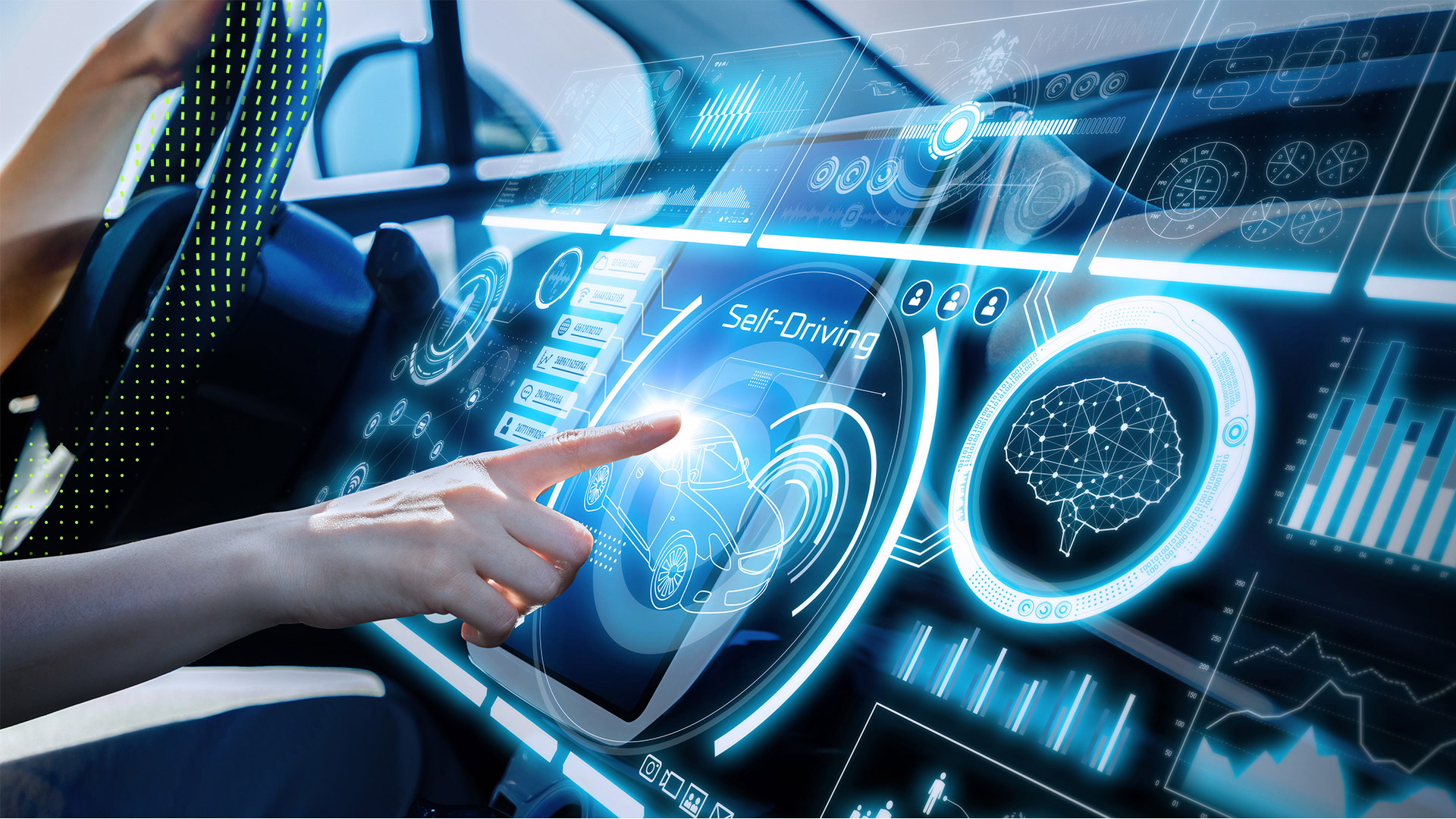
Autonomous driving technology is advancing rapidly as artificial intelligence becomes a central component in the development of self-driving vehicles. Automakers and technology companies are investing heavily in AI-powered systems designed to help vehicles navigate roads, detect obstacles, and make real-time driving decisions without human intervention. In 2026, autonomous driving is moving closer to mainstream adoption as improvements in machine learning, sensor technology, and computing power continue to enhance vehicle safety and performance. While fully self-driving cars are still under development, many vehicles already feature advanced driver assistance systems that rely on artificial intelligence to support drivers during complex driving situations.
Artificial intelligence plays a critical role in enabling autonomous vehicles to understand and respond to their surroundings. Self-driving systems rely on a combination of sensors, cameras, radar, and lidar technology to collect data about the environment around the vehicle. AI algorithms process this information in real time, allowing the vehicle to identify road signs, traffic signals, pedestrians, and other vehicles. By analyzing these inputs, the system can make decisions about acceleration, braking, and steering while maintaining safe distances from surrounding traffic. Continuous improvements in AI training models are helping vehicles recognize increasingly complex traffic scenarios.
Machine learning is also helping autonomous systems improve through data collection and real-world testing. Each autonomous vehicle generates large amounts of driving data that can be used to refine AI models and improve decision-making accuracy. Developers use simulation environments and real-world driving tests to train algorithms under various road conditions, weather patterns, and traffic situations. This constant feedback loop allows self-driving systems to become more reliable over time as they learn from millions of kilometers of driving data collected from test vehicles and production models.
Many modern vehicles already include partial autonomous features designed to assist drivers. These features include adaptive cruise control, lane-keeping assistance, automated parking systems, and collision avoidance technology. While these systems still require human supervision, they represent important steps toward fully autonomous driving. Automotive manufacturers are gradually integrating higher levels of automation as regulatory frameworks and safety standards continue to evolve. The ultimate goal is to create vehicles capable of operating independently in most driving environments while maintaining the highest safety standards.
Autonomous driving technology also has the potential to transform transportation systems beyond personal vehicles. Self-driving technology is being explored for use in public transportation, logistics, and delivery services. Autonomous trucks and delivery vehicles could improve efficiency in supply chains, while self-driving taxis may reshape urban mobility by offering on-demand transportation without human drivers. These developments could reduce traffic congestion, improve road safety, and lower operational costs across various transportation sectors.
Despite rapid progress, several challenges remain before fully autonomous vehicles become widely available. Safety validation, regulatory approval, and infrastructure readiness are key factors that must be addressed before large-scale deployment can occur. Governments and industry leaders are working together to establish standards that ensure autonomous systems operate safely alongside human-driven vehicles. Ethical considerations and cybersecurity protections are also critical aspects of the ongoing development process.
As artificial intelligence continues to evolve, autonomous driving technology is expected to play an increasingly important role in the future of mobility. Continued innovation in AI algorithms, sensor systems, and vehicle connectivity will likely bring self-driving technology closer to everyday reality. While the journey toward fully autonomous transportation is still ongoing, the integration of artificial intelligence is already transforming how vehicles operate and how people think about mobility in the modern world.






 Artificial Intelligence4 months ago
 Football3 months ago
 Latest News7 months ago
 Latest News7 months ago
 Football3 months ago
 Latest News7 months ago
 Latest News7 months ago
 Latest News7 months ago