Health
How AI Is Transforming Diagnostics and Medical Research

Artificial intelligence is rapidly transforming the healthcare industry, particularly in the fields of medical diagnostics and research. Advances in machine learning, data analysis, and computing power are enabling healthcare professionals to detect diseases earlier, analyze complex medical data more efficiently, and accelerate scientific discovery. In 2026, AI is becoming an increasingly valuable tool in hospitals, laboratories, and research institutions around the world. By assisting doctors and scientists in interpreting large volumes of medical information, AI technology is helping improve diagnostic accuracy and support faster medical decision-making, ultimately contributing to better patient outcomes.
One of the most significant applications of AI in healthcare is in medical imaging and diagnostics. AI-powered systems can analyze medical scans such as X-rays, CT scans, and MRI images with remarkable speed and precision. These systems are trained on large datasets of medical images and can identify patterns associated with various diseases, including cancers, cardiovascular conditions, and neurological disorders. In many cases, AI tools can highlight subtle abnormalities that may be difficult for the human eye to detect, helping radiologists and physicians make more accurate diagnoses. While AI does not replace medical professionals, it serves as a powerful support tool that enhances clinical decision-making.
AI is also revolutionizing medical research by accelerating the process of drug discovery and development. Traditionally, developing new medicines can take many years of testing and analysis. AI algorithms can now analyze biological data, chemical compounds, and clinical trial results to identify potential drug candidates more quickly. By simulating how different molecules interact with biological targets, AI can help researchers identify promising treatments and prioritize the most effective compounds for further study. This approach has the potential to reduce both the time and cost required to bring new medicines to market.
Another area where AI is making a significant impact is personalized medicine. By analyzing genetic information, lifestyle data, and medical history, AI systems can help doctors develop treatment plans tailored to individual patients. This personalized approach allows healthcare providers to select therapies that are more likely to be effective for specific patients while minimizing potential side effects. Advances in genomics and AI-driven data analysis are enabling researchers to better understand how different individuals respond to treatments, leading to more precise and targeted medical care.
AI is also improving the efficiency of clinical research and data management. Modern healthcare systems generate enormous amounts of data, including electronic medical records, laboratory results, and patient monitoring information. AI-powered tools can process and analyze this data to identify patterns that may reveal new insights into disease progression and treatment outcomes. Researchers can use these insights to design more effective clinical trials and develop improved healthcare strategies. By automating complex data analysis, AI allows scientists to focus more on innovation and less on time-consuming manual processes.
Despite its growing role in healthcare, experts emphasize that AI should complement rather than replace human expertise. Ethical considerations, data privacy, and regulatory oversight remain important factors in the responsible use of AI in medicine. Ensuring that AI systems are transparent, accurate, and free from bias is essential for maintaining trust in healthcare technology. As medical institutions continue to adopt AI tools, collaboration between technology developers, healthcare professionals, and policymakers will be necessary to ensure safe and effective integration.
Looking ahead, AI is expected to play an even larger role in shaping the future of diagnostics and medical research. Continued advancements in data science, biotechnology, and computing will likely lead to new breakthroughs in disease detection, treatment development, and patient care. As healthcare systems around the world embrace digital transformation, artificial intelligence is poised to become one of the most powerful tools driving innovation in modern medicine.

Health
Preventive Healthcare Strategies Gain Attention Worldwide

Preventive healthcare is gaining increasing global attention as governments, healthcare providers, and individuals shift focus from treating illnesses to preventing them before they develop. This approach emphasizes early detection, healthy lifestyles, and routine medical screenings aimed at reducing the risk of chronic diseases. In recent years, healthcare systems across many countries have begun promoting preventive strategies to address rising healthcare costs and the growing burden of non-communicable diseases such as heart disease, diabetes, and cancer. By prioritizing prevention, health experts believe societies can improve overall public health outcomes while easing pressure on medical infrastructure.
One of the core pillars of preventive healthcare is regular health screening and early diagnosis. Medical checkups, blood pressure monitoring, cholesterol tests, and cancer screenings play a critical role in identifying potential health risks at an early stage. Detecting diseases early often allows for more effective treatment and significantly improves recovery rates. Many public health campaigns now encourage individuals to undergo routine screenings as part of their long-term health planning. Governments and healthcare organizations are also expanding awareness programs that highlight the importance of preventive care and timely medical consultation.
Lifestyle changes are another key component of preventive healthcare strategies. Health experts consistently emphasize the role of diet, exercise, sleep, and stress management in maintaining long-term well-being. Balanced diets rich in fruits, vegetables, whole grains, and lean proteins can reduce the risk of several chronic diseases. Regular physical activity helps maintain cardiovascular health, strengthens muscles and bones, and improves mental well-being. Adequate sleep and effective stress management are also considered essential for maintaining a strong immune system and preventing long-term health complications.
Vaccination programs continue to play a vital role in global preventive healthcare efforts. Immunization has proven to be one of the most effective methods for protecting populations against infectious diseases. Many countries have expanded vaccination campaigns not only for children but also for adults, targeting illnesses such as influenza, hepatitis, and other preventable infections. By maintaining strong vaccination coverage, healthcare systems can significantly reduce the spread of infectious diseases and prevent potential outbreaks.
Technology is also transforming preventive healthcare by enabling more personalized health monitoring. Wearable devices, digital health applications, and remote monitoring systems allow individuals to track important health indicators such as heart rate, sleep patterns, and physical activity levels. These technologies provide valuable insights that can help individuals make informed decisions about their health. Healthcare providers are increasingly using digital tools to monitor patients remotely and identify potential health concerns before they escalate into serious conditions.
Preventive healthcare is also becoming a key priority for policymakers as aging populations and rising healthcare costs challenge existing medical systems. Investing in prevention programs can help reduce long-term healthcare expenditures by minimizing the need for expensive treatments and hospitalizations. Public health initiatives aimed at promoting healthy lifestyles, improving nutrition, and encouraging physical activity are now seen as essential strategies for building healthier societies.
As awareness continues to grow, preventive healthcare is expected to remain a central focus of global health policy and medical innovation. Experts agree that a proactive approach to health management can significantly improve quality of life and extend healthy life expectancy. By combining medical screening, lifestyle improvements, vaccination programs, and technological innovation, preventive healthcare strategies are helping reshape the future of global health systems.
Health
Mental Wellness Becomes the Next Frontier in Global Healthcare

Mental wellness is increasingly being recognized as a central pillar of global healthcare as governments, medical professionals, and communities place greater emphasis on psychological well-being. For decades, healthcare systems around the world focused primarily on physical illnesses, but growing awareness of mental health challenges has shifted priorities toward a more holistic approach to care. In 2026, mental wellness is emerging as one of the most important areas in modern healthcare discussions, with policymakers and healthcare providers working to expand access to mental health services, reduce stigma, and integrate psychological support into broader medical systems. This shift reflects a growing understanding that mental well-being is closely connected to physical health, productivity, and overall quality of life.
One of the major drivers behind the increased focus on mental wellness is the rising prevalence of stress, anxiety, and depression across many societies. Rapid urbanization, demanding work environments, and the pressures of modern lifestyles have contributed to growing mental health concerns worldwide. Public health experts warn that untreated mental health conditions can significantly impact individuals, families, and economies. As a result, governments and healthcare institutions are increasingly investing in programs designed to support mental health awareness, counseling services, and early intervention strategies. Expanding access to mental health care is becoming a priority in both developed and developing healthcare systems.
Technology is also playing a growing role in improving access to mental wellness resources. Digital health platforms and mobile applications are making mental health support more accessible to individuals who may not have access to traditional therapy services. Many mental health apps now offer guided meditation, stress management techniques, mood tracking tools, and cognitive behavioral therapy-based exercises. Telehealth services have further expanded access by allowing individuals to connect with licensed therapists and counselors remotely. These digital solutions are helping bridge gaps in mental healthcare availability, particularly in regions where trained professionals are limited.
Workplace mental health has also become a major area of focus as organizations recognize the importance of employee well-being. Companies across various industries are introducing wellness programs designed to support mental resilience, reduce burnout, and promote work-life balance. Initiatives such as flexible work schedules, mental health days, and access to counseling services are becoming more common as employers acknowledge the impact of mental well-being on productivity and job satisfaction. This shift reflects a broader recognition that supporting mental health is not only a social responsibility but also an important factor in building sustainable and healthy workplaces.
Another key development in the mental wellness movement is the integration of mental health care into primary healthcare systems. Medical professionals are increasingly encouraged to screen patients for mental health conditions during routine checkups. This integrated approach allows healthcare providers to identify potential concerns earlier and connect individuals with appropriate treatment or support services. Preventive mental healthcare strategies are also gaining attention, focusing on promoting emotional resilience and coping skills before serious conditions develop.
As global awareness continues to grow, mental wellness is expected to remain a major focus in healthcare policy and innovation. Experts emphasize that addressing mental health challenges requires collaboration among governments, healthcare providers, educators, and communities. By expanding resources, improving access to care, and encouraging open conversations about mental health, societies can move toward a more balanced and comprehensive approach to healthcare. The growing recognition of mental wellness marks an important shift in how health systems view overall well-being in the modern world.
Health
Wearable Health Technology Redefines Personal Fitness Monitoring

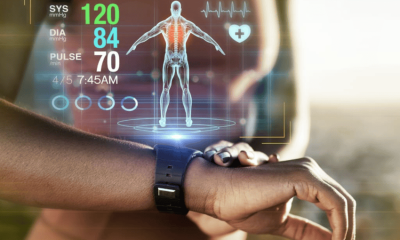
Wearable health technology is rapidly transforming the way individuals track and manage their personal fitness and overall well-being. Devices such as smartwatches, fitness bands, and health-monitoring rings have become increasingly popular as consumers seek convenient tools to monitor their daily physical activity and health indicators. In recent years, these devices have evolved far beyond simple step counters, incorporating advanced sensors capable of tracking heart rate, sleep patterns, blood oxygen levels, and other vital metrics. As awareness of preventive healthcare continues to grow worldwide, wearable health technology is playing an increasingly important role in helping individuals take a more proactive approach to maintaining their fitness and long-term health.
One of the key advantages of wearable fitness devices is their ability to provide real-time health data. These devices continuously monitor physiological signals throughout the day, giving users detailed insights into their activity levels and physical performance. For example, many modern wearables track steps taken, calories burned, and exercise intensity during workouts. Some devices also measure heart rate variability, which can help indicate levels of physical stress and recovery. By analyzing these metrics, users can better understand how their bodies respond to exercise and daily routines, enabling them to adjust their habits for improved fitness outcomes.
Sleep tracking has also become one of the most widely used features of wearable health technology. Quality sleep is now recognized as a critical factor in overall health, influencing physical recovery, cognitive performance, and emotional well-being. Many wearable devices are equipped with sensors that monitor sleep stages, including light sleep, deep sleep, and rapid eye movement sleep. The data collected can help users identify patterns that may affect sleep quality, such as irregular sleep schedules or high stress levels. With access to these insights, individuals can make informed changes to their lifestyle to improve rest and recovery.
In addition to personal fitness monitoring, wearable devices are increasingly being used to support broader health awareness. Some advanced wearables can detect irregular heart rhythms or alert users to potential health concerns based on unusual biometric patterns. This capability has attracted interest from healthcare professionals, as wearable technology may help identify early signs of health issues before they become more serious. While wearable devices are not intended to replace medical diagnosis, they can provide valuable health indicators that encourage users to seek professional advice when needed.
The growing integration of wearable technology with mobile health applications is also enhancing its usefulness. Most fitness devices connect to smartphone apps that analyze collected data and present it in easy-to-understand dashboards. These platforms often provide personalized recommendations for exercise routines, hydration, nutrition, and stress management. Some apps even offer coaching features that guide users through workouts or suggest ways to improve daily activity levels. This combination of data tracking and digital coaching has made wearable health technology an important tool for individuals aiming to maintain consistent fitness habits.
Looking ahead, the wearable health technology market is expected to continue expanding as new innovations emerge. Researchers and technology companies are working to develop sensors capable of monitoring additional health indicators, such as blood glucose levels and hydration status. As these capabilities evolve, wearable devices may become even more integrated with healthcare systems, supporting preventive care and remote patient monitoring. For consumers, the continued development of wearable technology promises a future where personal health insights are more accessible, empowering individuals to take greater control of their fitness and well-being.

USDC Circulation Expands as Stablecoin Liquidity Reenters Global Crypto Markets

Emerging Markets Turn to USDT for Cross Border Transactions as Dollar Liquidity Tightens

Crypto Liquidity and Capital Flows: Could Rising USDT Activity Influence Pakistan’s Equity Markets
Trending
PSX1 month agoCrypto Liquidity and Capital Flows: Could Rising USDT Activity Influence Pakistan’s Equity Markets
PSX1 month agoPSX Bloodbath as KSE100 Plunges Over 13,000 Points After Trading Resumes
PSX1 month agoPSX Plunges Over 11,000 Points as Middle East Tensions Shake Markets
PSX1 month agoKSE 100 Drops Over 1,300 Points After Early Session Recovery
Crypto1 month agoEthereum Tests ‘DVT-Lite’ System to Simplify Validator Setup for Institutional Staking
PSX1 month agoPSX Trading Halted After KSE30 Triggers Market Circuit Breaker
Local Affairs1 month agoPakistan’s Provincial Governments Accelerate Urban Development Plans
Global Affairs1 month agoGlobal Power Shifts Reshape Diplomacy as Emerging Alliances Redefine International Order