Connect with us

Property Trends

Government Housing Finance Expansion Expected to Stimulate Construction and Property Market

Pakistan’s real estate and construction sectors may witness renewed momentum following the government’s decision to expand the financing limit under the subsidised housing initiative Mera Ghar Mera Ashiana. The revised policy increases the maximum financing amount available to buyers while also lowering the cost of borrowing through reduced mark up rates. Industry experts believe these changes could encourage more individuals to purchase homes, improve housing affordability, and revive economic activity across construction related industries. As housing demand rises in major cities and urban populations continue to grow, the revised scheme is expected to support both property buyers and developers while addressing Pakistan’s persistent housing shortage.

Higher Financing Limit Aims to Expand Home Ownership

The Economic Coordination Committee recently approved significant revisions to the government backed housing finance scheme. Under the updated framework, the financing limit available to homebuyers has been increased from Rs3.5 million to Rs10 million. The revised policy also reduces the mark up rate for customers from 8 percent to 5 percent, making housing loans more affordable for middle income households.

Authorities have also expanded the eligibility criteria related to property size. Buyers can now obtain financing for houses up to 10 marlas in size or apartments covering up to 1,500 square feet. Policymakers say the objective is to align housing finance availability with current property market prices, which have increased significantly in recent years.

Housing finance experts believe that the higher financing limit could significantly increase participation in the scheme. Previously, the lower limit restricted many buyers from accessing the facility because property prices in major urban centers often exceeded the financing threshold. The revised limit may allow a larger segment of the population to enter the housing market.

Construction Sector Could Benefit from Increased Demand

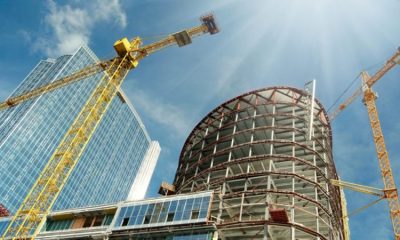
Industry analysts expect the revised housing finance program to generate wider economic benefits beyond the real estate sector. Increased access to home financing can stimulate construction activity by encouraging developers to accelerate ongoing projects and initiate new housing developments.

When housing demand rises, the impact spreads across multiple industries connected to construction. Building materials such as cement, steel, glass, electrical equipment, and finishing products experience higher demand as more residential projects move forward. The construction sector also generates employment opportunities for engineers, architects, contractors, and skilled labor.

Real estate consultants believe that easier access to financing could help revive construction projects that slowed due to declining buyer affordability. Developers often depend on steady demand from homebuyers to maintain construction momentum. When financing becomes more accessible, it reduces uncertainty for developers and encourages investment in new housing supply.

Experts note that housing construction plays a significant role in Pakistan’s economic ecosystem because it activates a wide network of supporting industries, creating both direct and indirect employment opportunities.

Broader Access Could Support Middle Class Buyers

One of the primary objectives of the revised housing scheme is to expand home ownership opportunities for middle income households. Lower borrowing costs combined with higher financing limits can make property purchases more achievable for salaried individuals and families seeking long term housing solutions.

Real estate experts say the scheme may also encourage overseas Pakistanis to participate in the domestic property market by offering structured financing options. Many overseas buyers prefer regulated banking channels when purchasing property in Pakistan because they provide transparency and secure transaction processes.

The government has set a target of facilitating financing for approximately 500,000 housing units over the next four years. If implemented effectively, this objective could significantly reduce Pakistan’s housing deficit, which has remained a persistent challenge due to rapid population growth and urban migration.

In addition to expanding home ownership, housing finance programs can help strengthen Pakistan’s banking sector by encouraging individuals to engage with formal financial services such as mortgages, savings products, and consumer lending facilities.

Real Estate Developers Welcome Policy Changes

Representatives of the construction and real estate industry have welcomed the government’s decision to restructure the housing finance scheme. Developers believe that aligning financing limits with prevailing property prices was necessary to ensure that the program remains relevant to market conditions.

Industry leaders say the revised scheme could help absorb unsold housing inventory in several urban markets. Many developers currently hold completed apartments or housing units that have remained unsold due to limited buyer financing options. Expanding loan eligibility may enable more buyers to purchase these units, improving liquidity in the property market.

Developers also expect that plot owners who previously lacked financing options may now be able to construct houses on their land. This could generate additional construction activity and encourage housing societies to attract new buyers by promoting financing support available through the government backed scheme.

Market observers believe that once commercial banks begin implementing the revised financing structure, the property market may gradually experience an increase in buyer inquiries and property transactions.

Housing Finance Activity Shows Early Demand

Data from the initial phase of the housing program suggests that demand for government backed housing finance already exists. Since the scheme’s launch in September 2025, banks have received more than 10,000 loan applications representing financing requests exceeding Rs32 billion.

Although only a portion of these applications has been approved so far, financial institutions expect participation to increase once the revised financing limit becomes fully operational. Earlier housing finance initiatives in Pakistan also demonstrated strong demand, with loan applications worth hundreds of billions of rupees submitted within a short period.

However, experts caution that meeting the government’s ambitious target of financing half a million homes could be challenging if housing supply does not expand simultaneously. The availability of suitable residential units and new construction projects will play a crucial role in determining the success of the program.

Outlook for Pakistan’s Property Market

The expansion of housing finance under the Mera Ghar Mera Ashiana scheme could provide an important stimulus for Pakistan’s property and construction sectors. By increasing loan limits and lowering borrowing costs, the government aims to make home ownership more accessible while supporting economic activity linked to real estate development.

If implemented effectively, the policy could encourage greater housing demand, accelerate construction activity, and strengthen long term growth in Pakistan’s real estate market.

Share on:
Continue Reading
Click to comment

Leave a Reply

Your email address will not be published. Required fields are marked *

Property Trends

Islamabad Property Valuations Jump Up to 75 Percent After FBR Revises ICT Rates

Property valuations across Islamabad Capital Territory have witnessed significant adjustments after the Federal Board of Revenue issued a new notification revising the official valuation tables for residential and commercial properties. The revised framework increases property values in several areas of the federal capital by as much as seventy five percent while excluding Defence Housing Authority zones from the new valuation structure. The revision is part of broader efforts by tax authorities to align official property values more closely with prevailing market rates. Real estate stakeholders believe the changes could influence transaction activity, taxation levels, and overall investor sentiment in Islamabad’s property market over the coming months.

Revised Valuation Tables Introduced Through New Notification

The updated property values were introduced through SRO.163(I)/2026, replacing the earlier valuation tables that had been issued under SRO.2392(I)/2025. Tax authorities stated that the new values were determined after consultations with real estate professionals operating within Islamabad Capital Territory.

Officials explained that the revised framework aims to establish fair market values for both residential and commercial properties within different sectors of the capital. Under the updated guidelines, the valuation of built structures will be calculated based on the age of the building. Superstructures that are less than five years old will carry a valuation of approximately Rs3,000 per square foot, while older structures will be assessed at around Rs1,500 per square foot.

The updated valuation tables apply across several urban areas of Islamabad, although Defence Housing Authority has been excluded from the new notification. Authorities have not publicly disclosed the reasons behind this exemption, though market observers note that DHA properties often operate under separate valuation considerations.

Property Rates Rise Across Multiple Areas of Islamabad

The revised valuation system results in price increases ranging from approximately fifteen percent to seventy five percent across different localities in the federal capital. Property analysts say the adjustment reflects the government’s attempt to narrow the gap between official valuation benchmarks and actual market transaction prices.

In previous years, the disparity between official tax valuation rates and real market prices often created challenges for both buyers and tax authorities. Lower official valuations sometimes encouraged underreporting of property transaction values, which reduced potential tax revenues.

By updating the valuation tables, policymakers aim to bring property taxation more in line with real market conditions while improving transparency in property transactions.

Stakeholder Feedback Influenced Final Decision

Earlier attempts to significantly increase Islamabad property valuations had triggered strong reactions from real estate agents and property investors. Following industry feedback, the government temporarily suspended the previous notification to reassess the valuation framework.

The revised notification reflects a moderated approach that still raises official property values but adjusts some of the proposed increases introduced under the earlier policy. Real estate professionals say the consultation process helped reduce the potential shock to the market while still allowing authorities to modernize the valuation structure.

Market participants believe the revised policy represents a compromise between revenue objectives and the concerns of property investors operating in Islamabad’s real estate sector.

Rural Property Valuation to Follow Local Administration Rates

In addition to urban property valuations, the updated notification also outlines the mechanism for assessing property values in rural areas of Islamabad Capital Territory. According to the revised framework, valuation rates for rural properties will be determined by the local district administration.

Authorities stated that if a conflict arises between the values set by the tax authority and those determined by the district administration, the higher valuation will apply. This measure is intended to ensure consistency in property tax assessments across both urban and rural regions within the federal capital.

Market Impact on Property Transactions

Real estate experts say the revised valuation tables could influence property market behavior in several ways. Higher official property values may increase transaction taxes and documentation costs for buyers and sellers, potentially affecting short term market activity.

However, aligning official valuations more closely with real market prices could also improve transparency and strengthen confidence among institutional investors interested in Islamabad’s property market.

Analysts note that clearer valuation benchmarks can help reduce speculative practices while improving the reliability of property transaction records.

Outlook for Islamabad’s Property Market

The revision of property valuation tables marks an important policy adjustment for Islamabad’s real estate market. As the new valuation framework becomes fully implemented, property investors and developers will closely monitor its impact on transaction volumes and market pricing.

While the short term effect may include adjustments in transaction patterns, the updated valuation system could ultimately contribute to greater transparency and stronger regulatory oversight within the property sector.

Share on:
Continue Reading

Property Trends

Karachi Property Prices Rise but Gold and Stocks Outperform Real Estate Returns

Karachi’s real estate market has recorded noticeable price growth over the past two years, particularly in prime residential and commercial areas such as DHA and Clifton. Despite this upward movement, property investments have been overshadowed by stronger gains in alternative asset classes including gold and equities. Investors seeking higher returns have increasingly turned toward bullion and the stock market as global economic uncertainty and domestic financial conditions reshaped investment strategies. While property prices in several upscale neighborhoods have increased substantially, analysts say the pace of appreciation remains slower than the dramatic rise seen in gold prices and the Pakistan Stock Exchange over the same period.

Residential and Commercial Property Values Continue to Climb

Property agents operating in Karachi’s premium residential districts report significant increases in plot and apartment prices over the last two years. Residential plots in DHA and Clifton have recorded price increases ranging between 25 percent and 50 percent depending on location, block, and infrastructure development. Commercial plots in the same areas have seen even stronger appreciation, with some properties rising by as much as 75 percent as investors targeted commercial real estate opportunities in established urban corridors.

Apartment prices have also moved upward as demand for smaller residential units grows in Karachi’s dense urban environment. In several Clifton neighborhoods such as Bath Island and Civil Lines, the price of a three bedroom apartment that previously ranged between Rs55 million and Rs60 million has now reached approximately Rs75 million to Rs80 million in many projects. Similar price increases have been recorded in DHA, where apartments measuring around 1,500 square feet have experienced steady appreciation due to rising construction costs and limited new supply.

Property agents say rental demand has remained relatively stable, with annual rental yields typically averaging between three and four percent in many residential areas. Smaller units often generate slightly higher rental returns due to limited availability and growing demand among tenants.

Rising Construction Costs Push Bungalow Prices Higher

The upward trend in property prices has also been visible in Karachi’s bungalow market, particularly in larger residential plots located within DHA phases and other established neighborhoods. Developers and homeowners have increasingly begun constructing ground plus one bungalow designs that incorporate modern amenities such as basement swimming pools and larger living spaces.

In the case of 500 square yard bungalows, prices have risen considerably over the last two years. Properties that previously sold between Rs80 million and Rs160 million now command prices ranging from Rs100 million to Rs250 million depending on location and architectural features. Similarly, larger 1,000 square yard houses have experienced noticeable appreciation, with prices reaching as high as Rs450 million in some areas compared with previous levels between Rs110 million and Rs350 million.

Real estate brokers note that demand for high end residential properties remains supported by wealthy buyers and overseas Pakistanis who view property as a long term asset. However, rising construction costs for materials such as cement, steel, and finishing products have also contributed to the increase in property prices across several segments of the housing market.

Commercial Property Markets Show Strong Investor Activity

Commercial property markets in Karachi have also experienced price increases, particularly in areas where business activity and commercial development remain strong. Locations such as PECHS and Sharea Faisal have seen commercial plot prices rise significantly as investors look for opportunities in established commercial corridors.

Commercial plots in PECHS and parts of Sharea Faisal have reached prices between Rs1.5 million and Rs2 million per square yard, compared with earlier levels closer to Rs1 million per square yard two years ago. In other parts of the same corridor, prices now range from approximately Rs1 million to Rs1.5 million per square yard depending on location and property size.

Additional increases have also been observed along Shaheed e Millat Road where commercial plot prices have climbed to around Rs1.5 million per square yard from previous levels between Rs800,000 and Rs1 million. However, some traditional commercial zones such as I I Chundrigar Road have experienced slower growth as investor interest has shifted toward newer commercial locations offering larger plots and redevelopment potential.

Market participants say commercial property remains attractive for investors seeking long term rental income and capital appreciation, although entry costs in prime locations have increased substantially in recent years.

Industrial Investment Shifts Toward Emerging Locations

While residential and commercial property markets in Karachi have experienced moderate growth, industrial investment activity within the city has remained relatively limited. Industry observers note that few major new industrial developments have taken place within Karachi over the past several decades as businesses increasingly explore alternative locations outside the city.

Investors have gradually shifted interest toward nearby industrial zones such as Nooriabad and Jhampir where land prices remain comparatively lower and development opportunities are still available. These emerging industrial hubs offer larger land parcels and improved access to transportation infrastructure connecting Karachi with other parts of Sindh.

Concerns about land disputes and regulatory complications have also affected investor confidence in certain areas surrounding Karachi. Property experts estimate that a large portion of land along sections of the Super Highway remains legally complex or contested, which has discouraged large scale industrial investment in those locations.

Outlook for Karachi’s Real Estate Market

Although property values in Karachi have risen across several residential and commercial segments, the market continues to compete with alternative investment options offering stronger returns. Gold and stock market investments have delivered exceptional gains during the past two years, attracting investors who previously relied on real estate as a primary store of wealth.

Nevertheless, Karachi’s property market remains a significant component of Pakistan’s investment landscape. As infrastructure development continues and new projects emerge, real estate may regain stronger momentum if economic stability and investor confidence improve in the coming years.

Share on:
Continue Reading

Property Trends

Punjab Introduces Mandatory Underground Infrastructure Rules for New Housing Societies in Lahore

Punjab’s provincial government has introduced new infrastructure guidelines that could significantly influence the development standards of housing societies in Lahore. Authorities have decided that underground electrical installations will now be mandatory for all newly approved housing schemes across the city. The policy is intended to improve safety, modernize urban infrastructure, and ensure better planning as Lahore continues expanding through large residential developments. With population growth and increasing pressure on urban utilities, policymakers believe stronger infrastructure regulations are necessary to support sustainable city development. By shifting from traditional overhead power lines to underground electrical systems, the government aims to reduce safety risks, improve the visual environment of residential communities, and strengthen the reliability of electricity networks serving future housing societies.

Underground Electrical Systems to Become Standard for New Projects

The decision was finalized during the third meeting of the Energy Department’s Steering Committee chaired by Provincial Energy Minister Faisal Ayub Khokhar. During the meeting, officials reviewed Lahore’s electricity distribution system and examined potential hazards associated with existing infrastructure. Overhead wiring systems and exposed electrical poles were identified as key challenges affecting safety and efficiency in many areas of the city. To address these concerns, the government has directed that all upcoming housing societies must integrate underground electricity infrastructure into their development plans before receiving approval from regulatory authorities. Urban planners say underground systems are more durable and significantly reduce the risk of accidents caused by damaged cables, fallen poles, or extreme weather conditions. As Lahore continues to grow, authorities believe adopting such modern infrastructure standards will improve the long term sustainability of residential developments.

Government Targets Safer and Better Organized Utility Networks

Alongside underground installations, officials also discussed measures to improve the organization of electricity meters and distribution networks across the city. Authorities proposed installing electricity meters in structured metal frames designed to protect equipment and improve maintenance efficiency. Organized meter systems can help electricity providers manage connections more effectively while also reducing the risk of tampering or accidental damage. The government emphasized that improving infrastructure organization is essential for rapidly expanding cities like Lahore where growing residential and commercial activity places increasing pressure on electricity systems. By implementing these improvements in new housing developments, policymakers aim to ensure that future residential communities are built with modern utility systems that meet international safety standards.

Infrastructure Improvement Work Planned Across Lahore

In addition to introducing new regulations for housing societies, the government has also directed electricity authorities to begin improving existing infrastructure in different parts of Lahore. The Lahore Electric Supply Company has been instructed to repair damaged or tilted electricity poles and upgrade electrical installations along major roads and commercial areas. Officials have identified several key markets and busy roads where improvement work will begin in the first phase of the initiative. According to authorities, surveys have already been conducted in numerous commercial markets to assess the condition of electrical infrastructure and identify areas that require immediate repairs. The government has set a timeline to complete improvements on priority roads within two months before expanding the work to other parts of the city.

Coordination Between Urban Development and Utility Authorities

The implementation of these reforms will require coordination between multiple departments responsible for infrastructure development and urban planning. During the steering committee meeting, representatives from the Lahore Development Authority also provided updates regarding ongoing work on underground communication networks and cable management systems. Officials confirmed that installation of underground cable trays and communication lines is already underway in several parts of the city. Integrating electricity infrastructure with communication networks is considered an important step toward creating more organized urban systems capable of supporting modern services such as telecommunications and broadband connectivity. Urban planners say coordinated infrastructure planning will help reduce future disruptions and ensure that new housing developments are built with efficient and sustainable utility networks.

Outlook for Lahore’s Housing Development

The introduction of mandatory underground electrical infrastructure signals a shift toward higher planning standards for housing societies in Lahore. While the new requirements may increase development costs for builders initially, the policy is expected to improve safety, infrastructure quality, and long term property value within residential communities. As Lahore continues to expand through new housing developments, stronger infrastructure regulations could help create better planned neighborhoods while supporting sustainable growth in the city’s real estate sector.

Share on:
Continue Reading

Trending