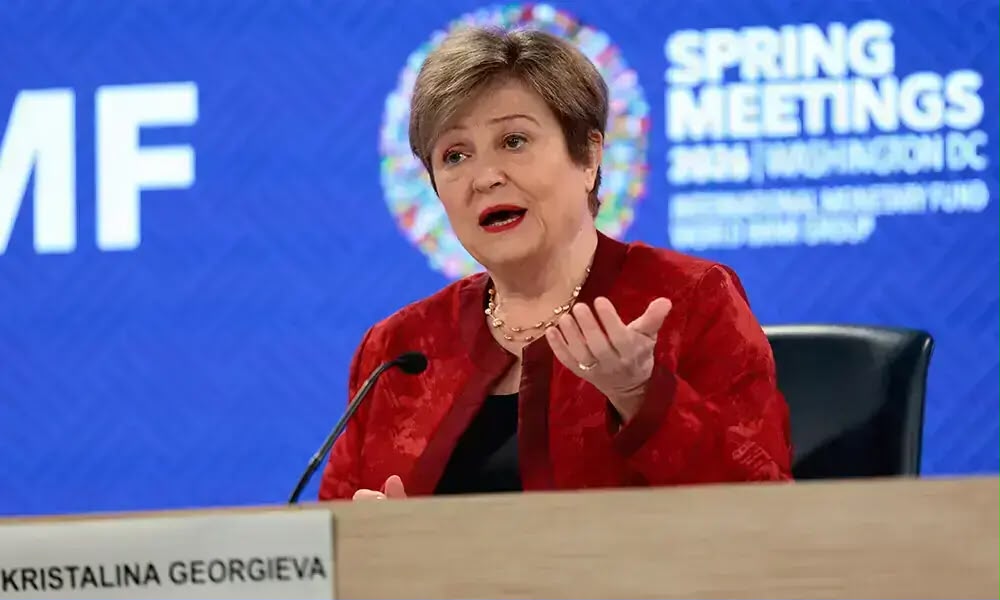
An International Monetary Fund delegation conducting economic review discussions with Pakistan has shifted its meetings to a virtual format after relocating from Islamabad to Türkiye due to rising geopolitical tensions in the region. Officials confirmed that the IMF team had initially arrived in Pakistan for preliminary consultations related to the country’s ongoing financial support programs but later moved operations to Istanbul as security concerns intensified following developments in the Middle East. The discussions between the IMF and Pakistani authorities will continue remotely over the coming days as both sides work to complete the scheduled review of key financial arrangements supporting Pakistan’s economic stabilization efforts. Officials say the talks remain focused on evaluating fiscal performance, structural reforms and financing needs under the existing economic programs agreed between Pakistan and the international lender.
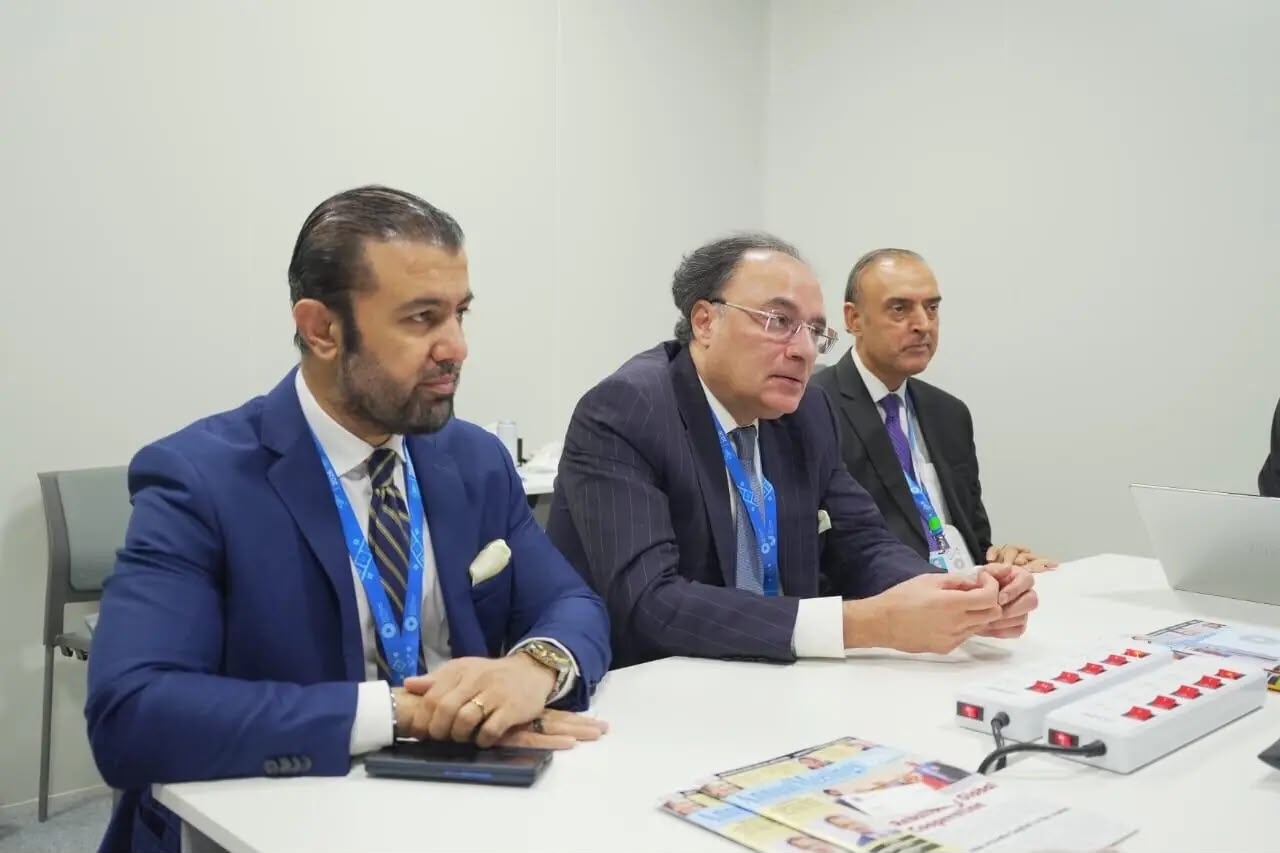
The IMF delegation had begun discussions related to the third review of Pakistan’s Extended Fund Facility which is part of a multiyear financial support package valued at approximately seven billion dollars. At the same time the mission was also reviewing progress under the Resilience and Sustainability Facility program which provides additional support aimed at strengthening economic resilience and long term structural reforms. Finance ministry officials said the IMF team held initial meetings with senior policymakers including Finance Minister Muhammad Aurangzeb before relocating to Türkiye. Discussions are expected to continue for several days as technical teams evaluate economic data and policy measures implemented by the government during the current fiscal year.
Officials familiar with the discussions said the review process is an important step for Pakistan because successful completion could unlock the next financial disbursement under the IMF program. If the review concludes positively Pakistan may receive a tranche exceeding one billion dollars which would help support the country’s foreign exchange reserves and strengthen financial stability. IMF programs typically release funds in stages after periodic reviews confirm that agreed economic reforms and fiscal targets are being implemented. Once negotiations are completed both sides must first reach a staff level agreement outlining the outcomes of the review before the IMF executive board considers final approval for the release of funds.
The IMF review is widely seen as a critical element of Pakistan’s broader economic stabilization strategy. Over the past several years the country has relied on international financial support to address fiscal deficits, improve foreign exchange reserves and implement structural reforms aimed at strengthening macroeconomic stability. The current program includes commitments related to improving tax collection, managing public sector spending and reforming the energy sector. These reforms are designed to help the government reduce economic vulnerabilities and create conditions for sustainable growth over the long term.
Economists say the ongoing IMF engagement is particularly important at a time when global economic uncertainty and geopolitical tensions are affecting energy prices and financial markets. Rising oil prices and disruptions in global trade routes could increase pressure on Pakistan’s import bill and external financing requirements. For this reason policymakers remain focused on maintaining economic discipline and continuing reform efforts while working closely with international financial institutions to support economic stability during a period of global uncertainty.










 Artificial Intelligence4 months ago

 Football3 months ago

 Latest News7 months ago

 Latest News7 months ago

 Football3 months ago

 Latest News7 months ago

 Latest News7 months ago

 Latest News7 months ago