The global political landscape is undergoing significant transformation as shifting alliances, economic competition and regional conflicts reshape international diplomacy. Governments around the world are adjusting their foreign policy strategies to respond to emerging geopolitical realities, including changing power balances between major economies and the increasing influence of developing nations. Analysts say the traditional structure of international relations, once dominated by a handful of global powers, is evolving into a more complex system where regional blocs, economic partnerships and strategic coalitions play a growing role in shaping diplomatic outcomes and global decision-making.
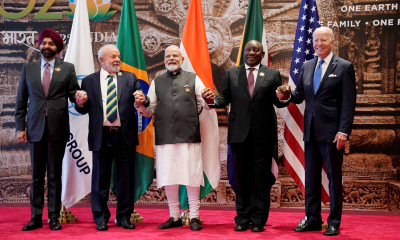
One of the defining characteristics of the current geopolitical environment is the rise of new alliances that are altering the balance of influence in global politics. Countries are strengthening regional partnerships in areas such as security cooperation, trade integration and technological development. These alliances are often built around shared economic interests or common strategic concerns, including energy security, supply chain resilience and technological competitiveness. As a result, diplomatic engagement is increasingly taking place within networks of regional and multilateral partnerships rather than relying solely on traditional bilateral relationships.
Economic competition has also become a central factor influencing global diplomacy. Governments are focusing on protecting critical industries, securing access to essential resources and strengthening domestic economic resilience. Trade agreements, investment partnerships and infrastructure initiatives are now frequently linked to broader geopolitical strategies. Analysts say economic diplomacy is playing a larger role in shaping international relations as countries seek to secure long-term access to markets, technology and strategic commodities essential for economic development and national security.
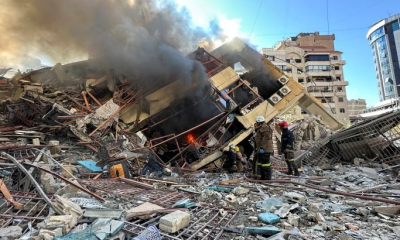
Regional conflicts and security concerns are further influencing diplomatic priorities across multiple continents. Tensions in several parts of the world have prompted governments to reassess defense strategies, expand security partnerships and increase investment in military capabilities. At the same time, international organizations and diplomatic institutions are facing pressure to respond effectively to conflicts while maintaining stability within an increasingly fragmented global system. The challenge of balancing national interests with international cooperation remains one of the defining issues of contemporary global affairs.
Technology has emerged as another major driver of geopolitical competition, particularly in areas such as artificial intelligence, cybersecurity and digital infrastructure. Governments are increasingly viewing technological leadership as a strategic asset that can shape economic and military power. As a result, technology partnerships, research collaboration and regulatory standards are becoming key components of international diplomacy. Competition over technological influence is also affecting trade relations and shaping how countries approach global governance frameworks.
At the same time, the growing influence of emerging economies is reshaping global political dynamics. Many developing nations are seeking a greater role in international decision-making institutions and advocating for reforms in global governance structures. This shift reflects broader changes in the distribution of economic power as emerging markets expand their participation in global trade and investment flows. Diplomatic forums and international organizations are therefore becoming more representative of a wider range of geopolitical interests.
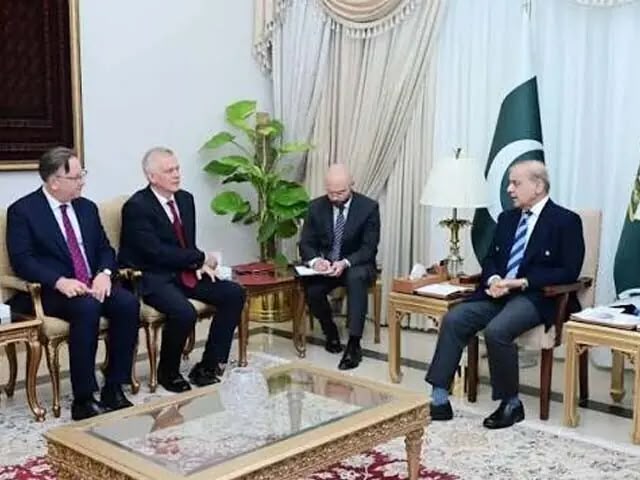
Despite the evolving complexity of global politics, cooperation remains essential for addressing shared challenges such as climate change, financial stability, public health and energy security. Multilateral diplomacy continues to provide a platform for dialogue and coordination among nations with diverse political and economic systems. While geopolitical competition remains a defining feature of the current international environment, the ability of countries to collaborate on common priorities will play a crucial role in shaping the stability and effectiveness of the global order.

















 Artificial Intelligence4 months ago
 Football3 months ago
 Latest News7 months ago
 Latest News7 months ago
 Football3 months ago
 Latest News7 months ago
 Latest News7 months ago
 Latest News7 months ago