The electric vehicle industry is on the verge of a major technological breakthrough as solid-state batteries emerge as a promising solution for the next generation of electric cars. Researchers and automakers around the world are investing heavily in this advanced battery technology, which has the potential to significantly improve driving range, safety, and charging speed. As global demand for electric vehicles continues to grow, the development of more efficient and durable battery systems has become a key priority for the automotive sector. Solid-state batteries are widely viewed as one of the most important innovations that could shape the future of electric mobility in the coming decade.
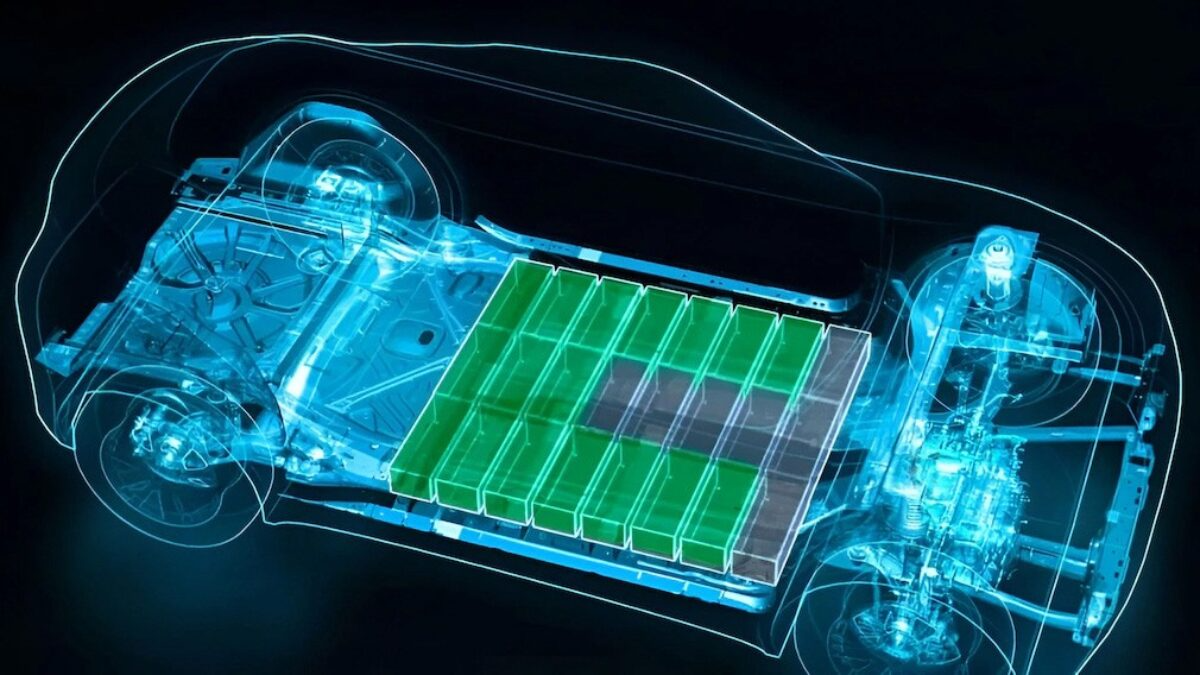
Unlike conventional lithium-ion batteries currently used in most electric vehicles, solid-state batteries replace the liquid electrolyte with a solid material. This structural difference allows the battery to store more energy in a smaller space while reducing the risk of overheating or fire. Liquid electrolytes used in traditional batteries can sometimes lead to thermal instability under extreme conditions, whereas solid electrolytes are generally considered more stable and safer. As a result, solid-state technology has attracted strong interest from manufacturers seeking safer and more reliable battery solutions for high-performance electric vehicles.
One of the most significant advantages of solid-state batteries is their potential to dramatically extend driving range. Because they can store more energy per unit of weight, vehicles equipped with solid-state batteries could travel significantly farther on a single charge compared with current lithium-ion systems. Industry analysts suggest that future electric vehicles using solid-state technology may achieve ranges that rival or exceed those of gasoline-powered cars. This improvement could help address range anxiety, one of the major concerns among consumers considering the switch to electric vehicles.
Charging speed is another area where solid-state batteries may deliver substantial benefits. Faster charging capabilities would allow drivers to recharge their vehicles in much shorter periods, making electric vehicles more convenient for long-distance travel. Some research suggests that solid-state batteries could support ultra-fast charging while maintaining long-term durability. This capability would reduce waiting times at charging stations and improve the overall practicality of electric mobility, especially as EV adoption continues to expand globally.
Automakers and technology companies are already working to bring solid-state battery technology closer to commercial production. Several major automotive manufacturers have announced partnerships with battery developers and research institutions to accelerate innovation in this field. Prototype vehicles powered by solid-state batteries are being tested, and many companies are targeting the late 2020s for large-scale deployment. While challenges remain in terms of manufacturing cost and scalability, rapid progress in materials science and battery engineering suggests that these obstacles may gradually be overcome.
Despite the excitement surrounding solid-state batteries, experts caution that widespread adoption will likely take time. Producing these batteries at a scale suitable for mass-market vehicles requires new manufacturing techniques and supply chains. Engineers must also ensure that the batteries maintain long-term performance across thousands of charging cycles. However, continued investment and technological progress are expected to bring the technology closer to commercialization in the coming years.
If successfully developed and widely adopted, solid-state batteries could transform the electric vehicle industry by delivering safer, more efficient, and longer-lasting energy storage systems. Such advancements would not only improve the performance of electric vehicles but also accelerate the global transition toward sustainable transportation. As research and development continue, solid-state technology is expected to remain one of the most closely watched innovations in the evolving EV landscape.











 Artificial Intelligence4 months ago
 Football3 months ago
 Latest News7 months ago
 Latest News7 months ago
 Football3 months ago
 Latest News7 months ago
 Latest News7 months ago
 Latest News7 months ago