Watches
Vintage Timepieces Surge in Value Among Global Collectors

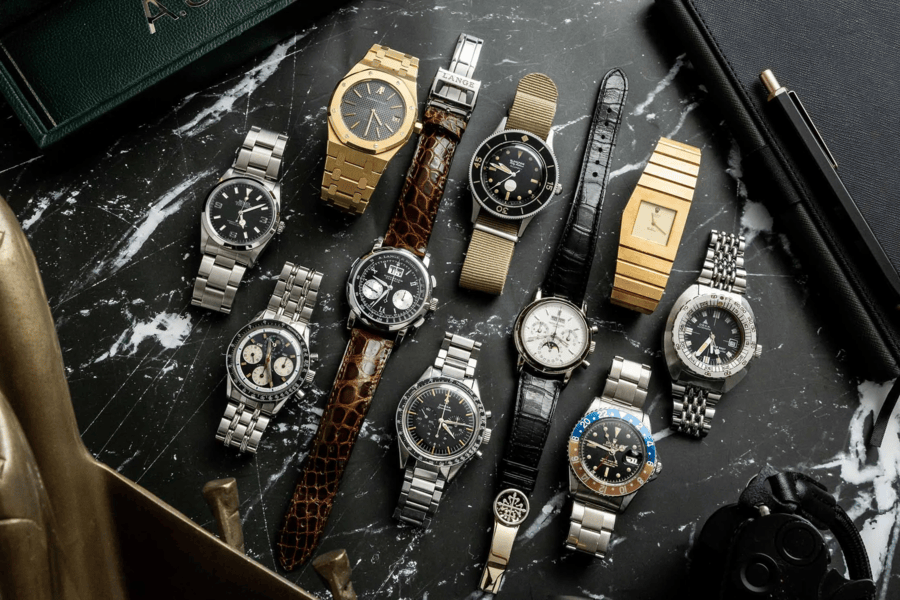
The global market for vintage watches is experiencing a remarkable surge as collectors and investors increasingly turn their attention to rare timepieces with historical significance. Once viewed primarily as personal accessories, vintage watches have evolved into highly sought-after collectibles that can command significant prices in auctions and private sales. In recent years, the value of certain classic watches has risen dramatically as enthusiasts search for models that reflect exceptional craftsmanship, limited production, and unique historical stories. In 2026, the growing fascination with vintage horology is reshaping the luxury watch market and attracting a new generation of collectors worldwide.
One of the primary reasons behind the rising value of vintage watches is their rarity. Many highly desirable models were produced in limited quantities decades ago, and surviving examples in excellent condition are becoming increasingly difficult to find. Collectors often seek watches that feature original components, well-preserved dials, and documented histories that confirm authenticity. These factors significantly influence the value of a timepiece, particularly when the watch originates from a well-known brand or represents a historically important design. As supply remains limited, demand among collectors continues to grow.
Auction houses have played a significant role in highlighting the value of vintage watches. High-profile watch auctions frequently attract global attention when rare models achieve record-breaking prices. Some vintage watches have sold for millions of dollars, demonstrating how collectible timepieces can rival traditional luxury assets such as fine art or classic automobiles. These sales not only attract investors but also strengthen the reputation of vintage watches as long-term collectibles with potential appreciation in value.
Collectors are often drawn to vintage watches because they represent the heritage and craftsmanship of earlier eras in watchmaking. Before the widespread adoption of digital technology, watchmakers relied entirely on mechanical expertise and skilled artisanship to produce reliable timepieces. Many vintage watches showcase intricate mechanical movements assembled by hand, reflecting the technical mastery of traditional horology. For collectors, owning such watches provides a tangible connection to the history of watchmaking and the evolution of mechanical engineering.
Another factor driving interest in vintage timepieces is the storytelling aspect associated with many historic watches. Some models were worn by famous individuals, used during significant historical events, or produced during periods that shaped the development of watchmaking technology. Watches with documented historical backgrounds often attract particular attention among collectors, as they combine technical craftsmanship with cultural significance. Provenance and historical context can therefore greatly enhance the desirability and value of a vintage watch.
Digital platforms and online collector communities have also contributed to the growing popularity of vintage watch collecting. Enthusiasts around the world now share knowledge, market insights, and restoration advice through forums, social media groups, and specialized watch websites. These platforms allow collectors to track market trends, authenticate rare pieces, and connect with dealers and auction houses globally. The availability of online marketplaces has made it easier for collectors to access vintage watches from different regions, expanding the reach of the global collector network.
Despite the growing investment appeal of vintage watches, experts emphasize that successful collecting requires careful research and verification. Authenticity, condition, and service history all play crucial roles in determining the value of a timepiece. Many collectors rely on trusted dealers and watch specialists to ensure the originality and preservation of vintage models. As interest in horological heritage continues to grow, vintage watches are expected to remain an important part of the luxury collectibles market.

Watches
The Future of Luxury Watches in a Digital First World

The global luxury watch industry is navigating a new era as digital technology reshapes consumer habits and the broader luxury market. While smartphones and smartwatches have taken over the practical function of timekeeping, traditional luxury watches continue to hold a strong position as symbols of craftsmanship, heritage, and personal style. In 2026, the industry is adapting to a digital-first world by blending centuries-old watchmaking traditions with modern marketing, technology, and consumer engagement strategies. Luxury watch brands are increasingly focusing on storytelling, innovation, and exclusivity to maintain their relevance in a market dominated by digital devices.
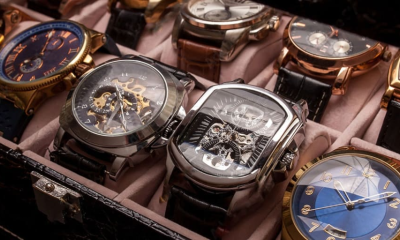
One of the key factors sustaining the luxury watch industry is the enduring appeal of mechanical craftsmanship. Unlike digital devices that are frequently replaced due to technological upgrades, mechanical watches are designed to last for generations. These timepieces often contain hundreds of intricate components working together in a complex mechanical system powered by springs and gears. Enthusiasts appreciate the artistry and engineering involved in traditional watchmaking, viewing luxury watches not merely as tools but as collectible works of art. This appreciation for craftsmanship continues to attract collectors and watch enthusiasts who value heritage and precision.
Luxury watch brands are also embracing digital platforms to reach new audiences and strengthen relationships with customers. Social media, online communities, and specialized watch forums have become important channels for showcasing new collections and engaging with collectors around the world. Digital storytelling allows brands to highlight the craftsmanship, heritage, and innovation behind each timepiece. Through high-quality visual content, virtual product launches, and online retail platforms, watchmakers can connect with a global audience while maintaining the exclusivity associated with luxury products.
Another important development in the industry is the growing overlap between traditional watchmaking and modern technology. While mechanical watches remain highly valued, some luxury brands are experimenting with hybrid designs that incorporate limited smart features while preserving classic aesthetics. These innovations allow watchmakers to appeal to younger consumers who appreciate both heritage design and modern convenience. Although fully digital smartwatches dominate the wearable technology sector, luxury mechanical watches continue to differentiate themselves by emphasizing craftsmanship and timeless design rather than rapid technological change.
The secondary market for luxury watches has also expanded significantly in the digital age. Online marketplaces and auction platforms now allow collectors to buy and sell rare watches across international markets. This increased transparency has strengthened the perception of luxury watches as investment-grade collectibles. Certain models, particularly limited editions or historically important pieces, have achieved remarkable appreciation in value. The availability of digital authentication services and blockchain-based tracking technologies is also helping improve trust in the resale market by verifying the authenticity and ownership history of high-value timepieces.
Sustainability is becoming another important factor influencing the future of luxury watchmaking. Consumers are increasingly interested in ethically sourced materials and environmentally responsible manufacturing practices. Some watchmakers are responding by adopting sustainable materials, improving supply chain transparency, and reducing environmental impact during production. These efforts reflect the broader shift toward responsible luxury, where craftsmanship and environmental awareness are combined to meet evolving consumer expectations.
Looking ahead, the luxury watch industry is expected to continue balancing tradition and innovation in a rapidly changing technological environment. While digital devices may dominate everyday timekeeping, mechanical watches remain powerful symbols of craftsmanship, heritage, and personal identity. By embracing digital engagement, exploring hybrid innovations, and preserving the artistry of traditional watchmaking, luxury watch brands are positioning themselves to remain relevant in a world increasingly shaped by digital technology.
Watches
Smartwatch Competition Intensifies With New Premium Designs

The global smartwatch industry is entering a new phase of competition as leading technology companies and luxury brands introduce premium designs aimed at attracting style-conscious consumers and health-focused users. Over the past decade, smartwatches have evolved from simple notification devices into powerful wearable technologies capable of monitoring health metrics, tracking fitness activities, and supporting everyday digital tasks. In 2026, the market is witnessing rapid innovation as manufacturers compete to deliver devices that combine advanced technology with high-end design and improved functionality. As consumer expectations continue to rise, smartwatch makers are focusing on aesthetics, durability, and performance to differentiate their products in an increasingly crowded market.
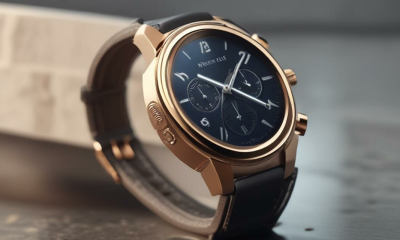
One of the most noticeable trends in the smartwatch industry is the shift toward more refined and premium design elements. Early smartwatches often prioritized functionality over appearance, but today’s models are designed to resemble traditional luxury watches while maintaining advanced digital capabilities. Manufacturers are introducing sleek metal finishes, sapphire glass displays, and customizable straps made from leather, stainless steel, and advanced synthetic materials. These design upgrades aim to appeal to consumers who want wearable technology that complements both casual and formal styles, making smartwatches suitable for everyday use as well as professional environments.
Health and fitness features remain a major driver of smartwatch adoption. Modern devices are equipped with advanced sensors capable of monitoring heart rate, blood oxygen levels, sleep quality, and physical activity throughout the day. Some premium models now offer more detailed health insights, including stress monitoring and advanced fitness tracking tools. These capabilities allow users to gain deeper insights into their overall health and lifestyle habits. As interest in preventive health continues to grow, wearable devices are becoming essential tools for individuals seeking to track and improve their well-being.
Battery performance and display technology are also becoming key areas of competition among smartwatch manufacturers. Consumers increasingly expect devices that can operate for extended periods without frequent charging while maintaining bright, high-resolution displays. Companies are responding by developing more energy-efficient processors and improved battery technologies that extend usage time. Enhanced display technologies are also being introduced to improve visibility in different lighting conditions while maintaining low power consumption. These improvements help make smartwatches more practical for daily use and long-term wear.
Another important factor influencing the smartwatch market is the integration of devices with broader digital ecosystems. Smartwatches now connect seamlessly with smartphones, home automation systems, and fitness applications, creating a more interconnected user experience. Users can receive calls, respond to messages, control music, and manage various digital services directly from their wrist. This level of integration has turned smartwatches into multifunctional devices that serve as convenient extensions of personal digital environments.
Luxury watch brands are also entering the smartwatch segment, bringing traditional craftsmanship into the world of wearable technology. By combining classic watch aesthetics with modern digital features, these brands aim to appeal to consumers who appreciate both heritage design and technological innovation. The collaboration between technology firms and luxury watchmakers is creating a new category of hybrid devices that blend mechanical watch styling with advanced digital capabilities.
As competition continues to intensify, the smartwatch market is expected to see further innovation in both design and functionality. Manufacturers are investing heavily in research and development to introduce new features that enhance user experience while maintaining stylish, durable designs. With growing consumer demand for wearable technology that balances performance, health tracking, and aesthetics, premium smartwatches are likely to remain a key focus in the evolving global wearable technology market.
Watches
Swiss Watchmakers Introduce Next-Generation Mechanical Innovations

Swiss watchmakers are continuing to redefine the boundaries of traditional horology as they introduce a new wave of mechanical innovations aimed at improving precision, durability, and performance. Switzerland has long been regarded as the global center of luxury watchmaking, with its manufacturers known for combining centuries-old craftsmanship with cutting-edge engineering. In 2026, the industry is witnessing a renewed focus on advanced mechanical technologies that enhance the reliability and efficiency of high-end timepieces. Leading Swiss brands are investing heavily in research and development to refine complex watch mechanisms while maintaining the heritage and artistry that define mechanical watchmaking.
One of the most significant areas of innovation is the development of improved movement technology. Mechanical watch movements rely on intricate assemblies of gears, springs, and balance wheels to keep accurate time. Swiss engineers are now introducing new materials and design techniques that increase the durability and accuracy of these systems. For example, components made from advanced alloys and silicon are being used to reduce friction within the movement, allowing watches to maintain more consistent performance over time. These materials are also resistant to magnetic interference and temperature fluctuations, two factors that can affect the precision of traditional mechanical watches.
Another area of advancement involves extended power reserves. Modern mechanical watches are increasingly designed to run for longer periods without requiring manual winding. Some newly developed movements can operate for several days, and in certain cases even more than a week, on a single wind. This improvement is achieved through optimized gear ratios and more efficient energy storage systems within the watch mechanism. For collectors and enthusiasts, longer power reserves provide both practical convenience and evidence of sophisticated engineering within the timepiece.
Swiss watchmakers are also introducing innovative complications that demonstrate the technical mastery of modern horology. Complications refer to additional functions beyond simple timekeeping, such as perpetual calendars, dual time zones, moon phase displays, and tourbillons. These features require highly complex mechanical structures that must operate with absolute precision. New designs are allowing watchmakers to integrate multiple complications within a single movement while maintaining reliability and visual elegance. Such innovations showcase the balance between technical complexity and aesthetic refinement that defines luxury mechanical watches.
In addition to internal mechanical improvements, Swiss brands are experimenting with new case materials and construction techniques. Lightweight materials such as titanium and advanced ceramics are increasingly being used to create durable and comfortable watch cases. Some manufacturers are also incorporating sapphire crystal components into case structures, allowing collectors to view the intricate movements from multiple angles. These design advancements not only improve the durability of watches but also enhance their visual appeal by highlighting the craftsmanship involved in mechanical watchmaking.
The resurgence of interest in mechanical watches has also been driven by collectors who appreciate the artistry and heritage behind traditional watchmaking. Unlike electronic devices or digital timepieces, mechanical watches represent a blend of engineering and craftsmanship that reflects centuries of horological development. Many collectors view these timepieces as works of art that preserve historical techniques while incorporating modern technological improvements. As a result, demand for mechanically sophisticated watches remains strong among enthusiasts and investors alike.
Looking ahead, the future of Swiss watchmaking is likely to involve an even closer integration of tradition and innovation. Manufacturers continue to explore new technologies that enhance performance while preserving the handcrafted elements that distinguish luxury mechanical watches. With ongoing advances in materials science, micro-engineering, and movement design, Swiss watchmakers are expected to remain at the forefront of mechanical innovation, ensuring that traditional horology continues to evolve in the modern era.

USDC Circulation Expands as Stablecoin Liquidity Reenters Global Crypto Markets

Emerging Markets Turn to USDT for Cross Border Transactions as Dollar Liquidity Tightens

Crypto Liquidity and Capital Flows: Could Rising USDT Activity Influence Pakistan’s Equity Markets
Trending
PSX1 month agoCrypto Liquidity and Capital Flows: Could Rising USDT Activity Influence Pakistan’s Equity Markets
PSX1 month agoPSX Bloodbath as KSE100 Plunges Over 13,000 Points After Trading Resumes
PSX1 month agoPSX Plunges Over 11,000 Points as Middle East Tensions Shake Markets
PSX1 month agoKSE 100 Drops Over 1,300 Points After Early Session Recovery
Crypto1 month agoEthereum Tests ‘DVT-Lite’ System to Simplify Validator Setup for Institutional Staking
PSX1 month agoPSX Trading Halted After KSE30 Triggers Market Circuit Breaker
Local Affairs1 month agoPakistan’s Provincial Governments Accelerate Urban Development Plans
Global Affairs1 month agoGlobal Power Shifts Reshape Diplomacy as Emerging Alliances Redefine International Order