Local Affairs
Pakistan’s Provincial Governments Accelerate Urban Development Plans

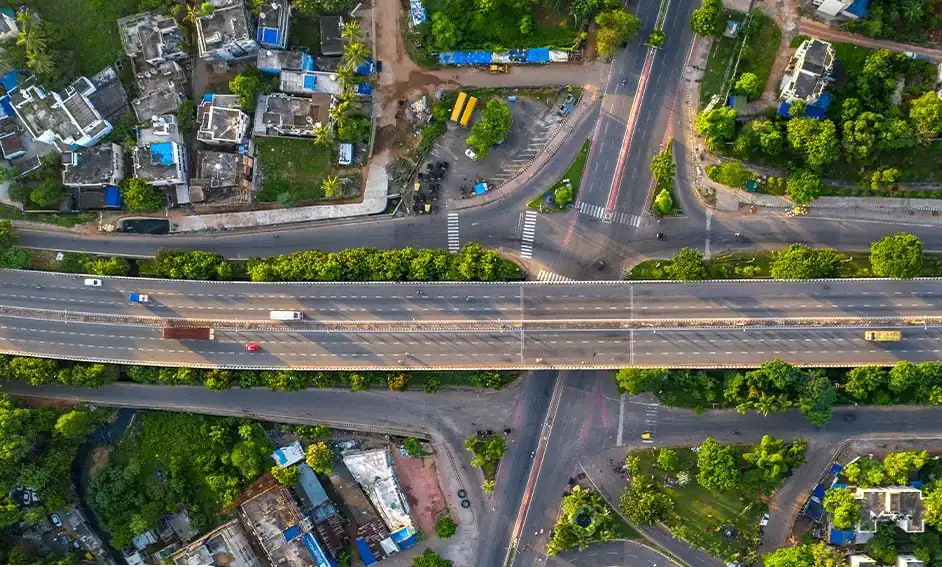
Major cities across Pakistan are witnessing new infrastructure and housing initiatives as provincial governments attempt to modernize urban management and improve public services.
Pakistan’s provincial governments are accelerating efforts to modernize urban infrastructure as population growth and economic pressures reshape the needs of major cities across the country. Urban centers including Karachi, Lahore, Islamabad, Peshawar and Quetta are facing increasing pressure on housing, transportation and public utilities as migration from rural areas continues to rise. According to planning officials, millions of people move toward large cities each year seeking employment opportunities, better education and improved healthcare facilities. This rapid urbanization has placed significant strain on existing infrastructure, forcing authorities to rethink long term development strategies. Provincial administrations have therefore begun prioritizing urban development projects that aim to expand road networks, improve sanitation systems and strengthen municipal services. Experts believe that investing in modern infrastructure will not only enhance the quality of life for residents but also support economic activity by making cities more efficient, connected and capable of attracting investment in the future.
Provincial governments across Pakistan have introduced a number of new initiatives designed to improve urban management and address growing infrastructure challenges. In Punjab, authorities have emphasized expanding public transport networks, improving waste management systems and modernizing municipal services in large districts. Sindh officials have also highlighted several development plans focused on Karachi, where rapid population growth has created complex governance challenges. Projects related to road expansion, drainage upgrades and housing schemes are currently under discussion as part of broader efforts to improve living conditions. In Khyber Pakhtunkhwa and Balochistan, development initiatives are increasingly targeting smaller cities where infrastructure gaps have historically slowed economic growth. Policymakers argue that strengthening secondary urban centers will help distribute economic activity more evenly across provinces and reduce migration pressure on megacities. These policies are also being supported by updated planning frameworks aimed at encouraging sustainable development and more effective coordination between provincial and local administrations.
Urban planning experts say that Pakistan’s cities require long term strategies that combine infrastructure expansion with better governance and policy coordination. While new development projects are expected to improve transportation networks, water supply systems and housing availability, specialists warn that implementation will be critical to their success. Transparent management, community participation and consistent funding will play a major role in determining whether these initiatives deliver meaningful results. Many analysts believe that improving coordination between provincial governments and local municipal institutions will also be essential for effective urban management. Without strong local governance structures, infrastructure projects may struggle to address the real needs of rapidly expanding populations. Despite these challenges, the renewed focus on urban development signals growing recognition among policymakers that cities will remain central to Pakistan’s economic future. If managed effectively, modern infrastructure investment could transform urban areas into engines of growth that support jobs, business activity and improved living standards.

You may like
Local Affairs
Digital Governance Expands as Cities Modernize Public Services

Cities around the world are increasingly adopting digital governance systems as municipal administrations modernize public services and improve the efficiency of government operations. Advances in digital technologies are transforming how local governments interact with residents, manage administrative processes, and deliver essential services. In 2026, digital governance has become a major component of urban policy strategies as cities seek to streamline operations, enhance transparency, and improve the accessibility of public services for growing populations.
Digital governance refers to the use of information technology, data systems, and online platforms to support government operations and citizen engagement. Municipal authorities are implementing digital tools that allow residents to access government services through online portals and mobile applications. These systems enable citizens to submit documents, pay taxes, apply for permits, and access public information without visiting government offices in person. By simplifying administrative procedures, digital governance platforms help reduce waiting times and improve service delivery.
One of the key benefits of digital governance is improved efficiency in municipal administration. Traditional paper-based processes often involve multiple layers of bureaucracy and can slow down service delivery. Digital platforms allow government departments to share information more effectively and process applications more quickly. Automated systems can verify documents, track service requests, and notify residents about updates to their applications, making public administration more responsive and transparent.
Cities are also using digital technologies to enhance urban management and planning. Data-driven governance tools allow local authorities to analyze patterns in transportation, public utilities, and infrastructure usage. By collecting and analyzing real-time data, city administrations can make better-informed decisions about traffic management, waste collection, and energy distribution. Smart city technologies, including sensors and digital monitoring systems, provide valuable insights that support efficient urban planning and resource allocation.
Public engagement is another important area where digital governance is expanding. Many cities are introducing online platforms that allow residents to participate in policy discussions, submit feedback, and report community issues directly to municipal authorities. Digital participation tools enable citizens to share their concerns about infrastructure, public services, or neighborhood development projects. These platforms help governments build stronger communication channels with residents and encourage greater civic participation in local decision-making.
Digital governance initiatives are also improving transparency and accountability within local administrations. By publishing government data and policy information online, municipalities can make their operations more visible to the public. Open data platforms allow citizens, researchers, and businesses to access information related to budgets, urban planning projects, and service performance. Increased transparency helps strengthen public trust and ensures that government institutions remain accountable for their decisions.
However, the expansion of digital governance also requires addressing several challenges. Cybersecurity and data protection are critical concerns as governments manage large volumes of sensitive information. Municipal authorities must ensure that digital platforms are secure and capable of protecting citizens’ personal data. In addition, digital inclusion remains an important consideration, as governments must ensure that residents who lack access to digital technology are not excluded from essential public services.
Despite these challenges, digital governance is expected to continue expanding as cities pursue modernization strategies. Investments in digital infrastructure, data management systems, and smart city technologies will play an increasingly important role in shaping the future of urban administration. As more governments adopt digital solutions, municipal services are likely to become more efficient, transparent, and accessible for citizens.
Local Affairs
Budget Reforms and Fiscal Pressures Reshape Municipal Policies

Municipal governments across many regions are reassessing their financial strategies as rising fiscal pressures force local administrations to implement budget reforms and rethink public spending priorities. Increasing costs for infrastructure maintenance, public services, and social programs are placing greater strain on city budgets, particularly as urban populations continue to expand. In 2026, fiscal management has become a key focus for municipal authorities seeking to maintain essential services while ensuring long-term financial sustainability.
One of the primary drivers of fiscal pressure on local governments is the growing demand for public services. Expanding urban populations require greater investment in transportation systems, housing programs, healthcare services, waste management, and public safety. At the same time, inflation and rising operational costs are increasing the financial burden associated with maintaining these services. As a result, municipal governments are being forced to reassess spending priorities and adopt more disciplined budget planning processes.
Revenue generation has also become a critical issue for city administrations. Many municipalities rely heavily on property taxes, local business taxes, and service fees as their primary sources of revenue. However, economic fluctuations and changing property markets can affect the stability of these income streams. In response, some local governments are exploring alternative revenue mechanisms, including public-private partnerships, development fees, and targeted local levies designed to support infrastructure and public service investments.
Budget reforms are increasingly focused on improving transparency and accountability in municipal financial management. Many city administrations are introducing modern financial management systems that allow policymakers to monitor spending patterns more effectively and identify areas where efficiencies can be achieved. Digital budgeting platforms and data-driven financial planning tools are helping local governments track expenditures and evaluate the long-term impact of policy decisions.
Infrastructure investment remains one of the largest components of municipal spending. Roads, bridges, water systems, and public transport networks require regular maintenance and periodic upgrades to meet the needs of growing populations. Budget reforms often involve prioritizing infrastructure projects that deliver the greatest economic and social benefits. Governments are also examining innovative financing models that can help fund large-scale infrastructure projects without placing excessive strain on public budgets.
Another area affected by fiscal pressures is the management of public sector employment. Municipal administrations often employ large numbers of workers in areas such as public safety, sanitation, transportation, and local administration. As budget constraints tighten, some local governments are reviewing staffing structures and operational procedures to improve efficiency while maintaining essential services. Workforce planning and organizational restructuring have become important tools in maintaining fiscal balance.
Fiscal reforms are also shaping long-term policy planning at the municipal level. Governments are increasingly adopting multi-year budget frameworks that allow policymakers to plan spending and investment over longer time horizons. These frameworks help municipalities anticipate future financial obligations, manage debt levels, and ensure that public investments remain sustainable over time.
Despite financial pressures, municipal governments continue to play a critical role in delivering services that directly affect the daily lives of residents. Effective fiscal management allows cities to maintain essential infrastructure, support economic development, and respond to emerging social needs. By implementing budget reforms and adopting more strategic financial planning approaches, municipal administrations are working to balance fiscal responsibility with the need to sustain public services.
Looking ahead, fiscal discipline and budget innovation are expected to remain central elements of municipal governance. As cities continue to grow and economic conditions evolve, local governments will need to adapt their financial strategies to meet changing demands. Sustainable budgeting practices and transparent financial management will be essential in ensuring that municipalities remain capable of supporting both economic development and community well-being.
Local Affairs
Local Governments Increase Focus on Climate Resilience Planning

Local governments around the world are placing increasing emphasis on climate resilience planning as communities face growing risks from extreme weather, rising temperatures, and environmental instability. Municipal administrations are at the forefront of responding to climate-related challenges because cities and local regions often experience the most immediate effects of floods, heatwaves, storms, and other climate events. In 2026, climate resilience has become a central component of local policy planning as authorities seek to protect infrastructure, public health, and economic stability.
Climate resilience planning refers to strategies designed to help communities adapt to the impacts of climate change while minimizing damage to infrastructure and ecosystems. Local governments are developing policies that strengthen the capacity of cities and regions to withstand environmental disruptions and recover more quickly after extreme events. These policies include improvements in urban planning, disaster preparedness systems, and the construction of resilient infrastructure capable of handling changing climate conditions.
Flood management has become a major priority in many regions as rising sea levels and heavier rainfall increase the risk of urban flooding. Coastal cities and low-lying communities are investing in protective infrastructure such as improved drainage systems, flood barriers, and reinforced coastal defenses. Urban planners are also introducing zoning regulations that discourage development in high-risk areas and encourage the use of green infrastructure, such as wetlands and urban green spaces, to absorb excess water during storms.
Heat management strategies are also gaining attention as rising global temperatures place additional pressure on urban environments. Many cities are introducing initiatives designed to reduce the urban heat island effect, where dense concentrations of buildings and pavement trap heat and increase local temperatures. These strategies include expanding tree cover, creating urban parks, promoting reflective building materials, and improving building insulation standards. Such measures can help lower temperatures while improving public health outcomes during periods of extreme heat.
Local governments are also strengthening emergency response systems to improve disaster preparedness. Early warning systems, improved communication networks, and coordinated evacuation planning are being integrated into municipal emergency management frameworks. By combining data from weather monitoring systems and climate forecasting models, authorities can better anticipate potential disasters and respond more effectively when extreme weather events occur.
Infrastructure planning is another key component of climate resilience efforts. Transportation networks, energy systems, and water supply infrastructure must be designed to withstand changing environmental conditions. Many municipalities are reviewing building standards and construction guidelines to ensure that new developments are better equipped to handle climate-related stresses. Long-term infrastructure investments increasingly incorporate resilience measures to reduce the likelihood of costly damage in the future.
Public participation is also becoming an important element of local climate planning. Community engagement programs encourage residents, businesses, and local organizations to contribute to resilience strategies. By involving local stakeholders, governments can develop policies that reflect the specific environmental risks faced by each community while building broader public support for climate adaptation initiatives.
As climate risks continue to evolve, local governments are expected to play an increasingly important role in shaping resilience strategies. Cooperation between municipal authorities, national governments, and international organizations will be essential for sharing knowledge, financing climate projects, and strengthening global climate preparedness. Through proactive planning and targeted investments, local governments are working to ensure that communities remain resilient and adaptable in the face of ongoing environmental change.

USDC Circulation Expands as Stablecoin Liquidity Reenters Global Crypto Markets

Emerging Markets Turn to USDT for Cross Border Transactions as Dollar Liquidity Tightens

Crypto Liquidity and Capital Flows: Could Rising USDT Activity Influence Pakistan’s Equity Markets
Trending
PSX1 month agoCrypto Liquidity and Capital Flows: Could Rising USDT Activity Influence Pakistan’s Equity Markets
PSX1 month agoPSX Bloodbath as KSE100 Plunges Over 13,000 Points After Trading Resumes
PSX1 month agoPSX Plunges Over 11,000 Points as Middle East Tensions Shake Markets
PSX1 month agoKSE 100 Drops Over 1,300 Points After Early Session Recovery
Crypto1 month agoEthereum Tests ‘DVT-Lite’ System to Simplify Validator Setup for Institutional Staking
PSX1 month agoPSX Trading Halted After KSE30 Triggers Market Circuit Breaker
Global Affairs1 month agoGlobal Power Shifts Reshape Diplomacy as Emerging Alliances Redefine International Order
Global Markets1 month agoUS Exchange Leaders Call for Clearer Regulation as Prediction Markets Expand