Budget
Pakistan Considers Increasing Defence Budget Amid Rising Regional Security Risks

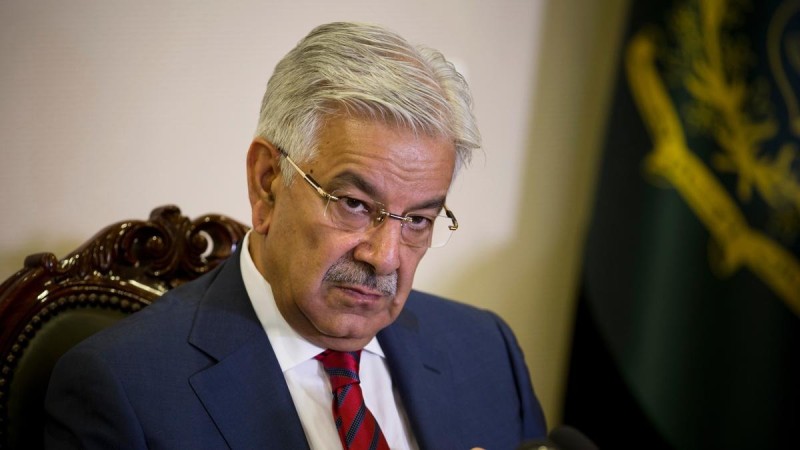
Pakistan may consider increasing its defence budget in the upcoming fiscal plan as regional tensions and security challenges continue to shape the country’s strategic priorities. Defence Minister Khawaja Asif has indicated that the current security environment requires stronger military preparedness and a reassessment of defence allocations in the federal budget. His remarks come at a time when geopolitical tensions in the Middle East and persistent border security issues are influencing national policy discussions. Defence spending has historically remained one of the largest components of Pakistan’s budget, and the possibility of an increase reflects the government’s focus on safeguarding national security while navigating economic constraints.
Regional Security Environment Drives Budget Considerations
Pakistan’s defence minister highlighted the growing uncertainty in the region, pointing to rising tensions involving the United States, Iran, and Israel. According to him, the possibility of a broader conflict in the Middle East has created an unpredictable security environment that could have global consequences. While international diplomatic efforts are continuing to prevent further escalation, the situation remains fragile. Governments across the region are closely monitoring developments as any expansion of conflict could impact energy markets, international trade routes, and regional stability.
Khawaja Asif noted that several European countries appear cautious about openly supporting military escalation in the ongoing tensions. This hesitation suggests that the current conflict environment lacks unified international backing, although geopolitical alliances continue to influence strategic decisions. In such circumstances, countries often reassess their defence preparedness to ensure that they can respond effectively to potential security threats. Pakistan’s security leadership believes that maintaining strong defence capabilities is necessary to protect national interests during periods of heightened regional instability.
Another major concern highlighted by the defence minister is the strategic importance of the Strait of Hormuz, a key maritime corridor through which nearly twenty percent of the world’s oil supply passes. Any disruption in this vital shipping route could significantly affect global energy markets. A blockade or military conflict near the strait could lead to a sharp rise in oil prices, supply shortages, and economic volatility across international markets. For countries that rely heavily on energy imports, including Pakistan, such developments would create additional financial pressure and increase inflationary risks.
Economic Implications of Higher Defence Spending
An increase in defence spending would carry important implications for Pakistan’s fiscal planning. The federal budget already faces multiple pressures including rising debt servicing obligations, development expenditures, social welfare programs, and subsidies aimed at stabilizing the economy. Expanding defence allocations would require careful budget management to ensure that other sectors do not face significant funding constraints.
Economists often debate the balance between national security spending and long term economic development. While defence expenditure is essential for maintaining sovereignty and territorial security, excessive military spending can sometimes reduce fiscal space for investments in education, healthcare, infrastructure, and industrial development. Governments therefore try to maintain a balance that allows both security preparedness and economic growth.
At the same time, defence spending can contribute to economic activity when domestic industries participate in manufacturing and technological development related to military equipment and logistics. Countries that develop local defence production capabilities often create employment opportunities and strengthen their industrial base. Pakistan has gradually invested in local defence manufacturing over the years, and further development in this area could help reduce reliance on expensive imports while supporting domestic economic activity.
Border Security and Counter Terrorism Operations
Apart from regional geopolitical tensions, Pakistan continues to face ongoing security challenges along its western border. Khawaja Asif expressed concern about militant attacks that originate from areas near the Afghanistan border, stating that these incidents remain a serious threat to national stability. According to the defence minister, Pakistan has repeatedly attempted diplomatic engagement with Afghan authorities to address cross border security concerns.
The minister stated that militant groups operating against Pakistan have continued their activities despite ongoing counter terrorism operations by Pakistani security forces. He emphasized that Pakistan will continue military operations until the threat posed by militant organizations is eliminated. Counter terrorism campaigns remain a central component of Pakistan’s national security strategy, particularly in regions where militant networks have previously operated.
Khawaja Asif also referred to past military tensions between Pakistan and India, stating that Pakistan has demonstrated its ability to respond effectively despite facing larger adversaries. Maintaining strong defence capabilities, he argued, is necessary to ensure deterrence and stability in South Asia. Security officials believe that defence preparedness plays a crucial role in preventing conflict by maintaining a balance of power in the region.
Fiscal Planning and Defence Priorities in the Upcoming Budget
As Pakistan prepares its next federal budget, discussions around defence allocations are expected to intensify among policymakers and economic planners. National security requirements must be considered alongside broader economic challenges such as inflation, debt obligations, and the need for sustainable development spending. Budget planners will likely evaluate the security environment, economic conditions, and fiscal constraints before finalizing defence allocations for the coming year.
A moderate increase in defence spending could signal the government’s intention to strengthen military readiness without significantly disrupting economic priorities. However, any decision regarding budget expansion will depend on revenue projections, economic performance, and negotiations with international financial institutions that influence fiscal policy decisions.
Outlook
Pakistan’s defence budget debate reflects the broader challenge of balancing security needs with economic stability. As regional tensions continue to evolve and security threats persist, policymakers will need to carefully assess fiscal priorities to ensure that national defence remains strong while economic growth and development goals are not compromised

You may like
Budget
Canada Nominates Annette Ryan as New Parliamentary Budget Officer

Canada’s federal government has nominated senior public servant Annette Ryan to serve as the country’s next Parliamentary Budget Officer, restoring leadership to an office responsible for independent fiscal analysis and oversight of government spending. The nomination comes after the previous interim budget watchdog’s term expired without an immediate replacement, leaving the office temporarily unable to release new reports or respond to requests from lawmakers. Ryan’s appointment was formally tabled in the House of Commons by Secretary of State for the Canada Revenue Agency and Financial Institutions Wayne Long. The role is considered one of the most important positions in Canada’s fiscal governance framework because the Parliamentary Budget Officer provides independent analysis of government budgets, economic projections, and financial policy decisions.
Role of the Parliamentary Budget Officer in Fiscal Oversight
The Parliamentary Budget Officer plays a critical role in ensuring transparency and accountability in government spending. The office provides independent financial analysis to members of both the Senate and the House of Commons, allowing lawmakers to evaluate fiscal policies and budget proposals more effectively. Reports produced by the office often examine federal spending programs, tax policies, economic forecasts, and long term fiscal sustainability.
By offering objective economic assessments, the Parliamentary Budget Officer helps parliamentarians understand the financial implications of policy decisions. This independent oversight is particularly important when governments introduce new spending programs or adjust fiscal targets, as it ensures that lawmakers have access to reliable financial information before making decisions.
Ryan’s nomination comes at a time when fiscal transparency has become increasingly important for governments worldwide. Budget watchdog institutions like Canada’s Parliamentary Budget Office help strengthen democratic accountability by providing non partisan analysis of public finances.
Annette Ryan’s Background and Experience
Annette Ryan brings extensive experience in public finance and government administration to the role. She currently serves as deputy director at the Financial Transactions and Reports Analysis Centre of Canada, a federal agency responsible for collecting and analyzing financial intelligence related to suspected money laundering and terrorist financing activities.
Her career in public service includes several senior roles across federal departments. Ryan previously worked as an associate assistant deputy minister in the Department of Finance, where she gained direct experience in fiscal policy and budget management. She has also held positions at Employment and Social Development Canada and Industry Canada, contributing to policy development in areas related to economic growth and public administration.
Ryan holds a master’s degree in economics from the University of Oxford, adding strong academic credentials to her professional experience in government finance. Experts say her background in fiscal policy and financial oversight positions her well to lead the Parliamentary Budget Office during a period of evolving fiscal priorities.
Temporary Vacancy Raised Concerns Over Budget Transparency
The nomination follows a brief period during which the Parliamentary Budget Office operated without a permanent leader. The previous interim Parliamentary Budget Officer, Jason Jacques, served a six month term that ended on March 2. When his contract expired without a successor being named immediately, the office was temporarily unable to produce new reports or accept requests from parliamentarians.
Former Parliamentary Budget Officer Kevin Page noted that the transition could have been handled earlier to avoid the temporary gap in leadership. He argued that announcing the successor weeks in advance would have allowed the new budget watchdog to transition smoothly into the role and begin working with parliamentary staff more quickly.
Despite the delay, Page expressed confidence in the credentials of the newly nominated candidate. He stated that Ryan’s professional background makes her well suited to take on the responsibilities associated with overseeing Canada’s fiscal analysis framework.
The Parliamentary Budget Office has earned international recognition for its work. A report by the Organisation for Economic Co operation and Development ranked Canada’s budget watchdog among the strongest institutions of its kind globally. However, the same report also raised concerns about delays in the appointment process and potential political pressure that could influence future leadership decisions.
Recent Work of the Parliamentary Budget Office
During his six month tenure as interim Parliamentary Budget Officer, Jason Jacques oversaw several major reports examining the state of Canada’s public finances. The office analyzed government spending trends, the size of the federal workforce, and the fiscal implications of policy proposals related to defence spending and economic programs.
Jacques’ tenure attracted public attention when he described the condition of Canada’s federal finances in unusually strong terms during early public remarks. He later clarified that his choice of language had been unnecessary but maintained that independent fiscal analysis remains essential for effective government oversight.
Under his leadership, the Parliamentary Budget Office also conducted frequent engagements with lawmakers. Jacques appeared before parliamentary committees more than twenty times to discuss fiscal policy issues and provide economic analysis to legislators.
The office also implemented internal budget adjustments for the 2026–2027 fiscal year, including a voluntary reduction in operational spending. These changes reflected broader government efforts to review public expenditures across federal agencies.
Outlook
With the nomination of Annette Ryan, Canada’s Parliamentary Budget Office is expected to resume its full role in providing independent fiscal analysis to lawmakers. The office will likely remain central to evaluating government spending plans and budget policies as Canada prepares for future fiscal and economic challenges.
Budget
Ohio Budget Outlook Remains Stable Despite Lower Sales Tax Collections

Ohio’s financial outlook remains stable even though sales tax revenues fell below expectations in February, according to state budget officials. Preliminary figures released by the Ohio Office of Budget and Management show that certain tax collections came in lower than projected during the month. However, officials say overall fiscal performance remains strong when looking at revenue trends across the full fiscal year. Budget Director Kim Murnieks expressed confidence that the state’s financial position remains healthy, noting that total tax receipts for the fiscal year to date continue to exceed forecasts. The data reflects fluctuations within individual tax categories but indicates that the broader budget framework remains on track as the state approaches the final months of the fiscal year.
Sales Tax Receipts Decline in February
Sales tax revenues in February were slightly weaker than expected, according to preliminary government figures. Auto sales tax receipts totaled approximately 134.3 million dollars for the month, falling short of projections by about four million dollars. This represented a decline of roughly 2.9 percent compared with the forecast.
Non auto sales tax receipts showed a larger decline. Collections in this category reached about 804.2 million dollars but came in 69 million dollars below estimates. This represents a decrease of around 8 percent from projected levels.
Sales tax revenues are one of the largest sources of income for state governments, making these monthly variations an important indicator of economic activity. Lower sales tax receipts can sometimes reflect reduced consumer spending or seasonal factors that affect purchasing behavior. However, officials emphasized that monthly fluctuations are common and do not necessarily signal broader economic weakness.
Budget officials also pointed out that February often produces lower tax collections compared with other months because consumer spending patterns change after the holiday season. Weather conditions can also influence retail activity, particularly in states where winter storms may disrupt shopping and travel.
Income Tax Revenue Exceeds Expectations
Despite weaker sales tax numbers, Ohio’s income tax collections performed strongly in February. The state collected approximately 317.6 million dollars in income taxes during the month, exceeding forecasts by 33 million dollars. This represents an increase of about 11.7 percent above the projected level.
Strong income tax collections suggest that employment and wage growth remain relatively stable in the state’s economy. Income tax revenue is closely linked to labor market performance because it depends largely on payroll activity and earnings levels.
Higher income tax receipts can help offset shortfalls in other revenue categories and contribute to overall fiscal stability. Budget officials often monitor these trends closely because they provide insight into economic conditions such as employment growth, wage increases, and business activity.
According to the Office of Budget and Management, the state’s overall tax revenues for February were slightly above projections despite the decline in some categories. Total general fund tax receipts for the month exceeded forecasts by approximately 3.3 million dollars.
Fiscal Year Revenue Performance Remains Strong
When looking beyond the monthly figures, Ohio’s overall revenue performance for the fiscal year remains stronger than expected. The fiscal year began in July, and cumulative tax collections have continued to exceed official projections.
Total tax receipts collected since the start of the fiscal year are approximately 648.9 million dollars above estimates. This surplus provides additional flexibility for state budget planning and indicates that the broader financial outlook remains positive.
Sales tax collections for the fiscal year have reached about 9.8 billion dollars, which is approximately 142.2 million dollars higher than expected. Although February’s sales tax figures were weaker, the year to date numbers show steady consumer activity overall.
Income tax collections for the fiscal year have performed even more strongly. The state has collected around 7.2 billion dollars in income tax revenue so far, exceeding estimates by approximately 346.5 million dollars. This represents a growth rate of about 5.1 percent compared with projections.
These figures indicate that the state’s tax base remains relatively strong despite short term variations in monthly revenue collections.
Emerging Tax Categories Add to State Revenue
Ohio’s fiscal structure has also been influenced by the introduction of new tax categories. One of the newest revenue streams is the tax on adult use marijuana sales, which was introduced earlier in the fiscal year. Since July, marijuana related tax revenues have generated approximately 33.8 million dollars for the state budget.
Although this figure is about 6.9 percent below initial estimates, officials say it is still within a reasonable range for a newly established tax category. Predicting revenue from newly legalized industries can be difficult because consumer demand and market conditions evolve over time.
Alcohol tax collections have also contributed to state revenue. For the fiscal year to date, alcohol taxes have generated around 45.6 million dollars, representing an increase of about 7.2 percent compared with estimates. However, monthly figures showed mixed results, with marijuana tax collections increasing by more than 15 percent in February while alcohol tax revenues declined significantly during the same month.
Budget officials noted that smaller tax categories often experience greater volatility because they represent a smaller portion of overall revenue and are more sensitive to changes in consumer behavior.
Outlook
Ohio’s budget outlook remains stable as the fiscal year approaches its final months. While sales tax receipts dipped in February, strong income tax collections and higher overall revenues suggest that the state’s financial position remains solid heading into the end of the fiscal year.
Budget
Serbia’s Budget Swings to Deficit in January as Government Spending Surges

Serbia’s consolidated government budget moved into deficit in January as public spending rose sharply compared with the previous year. Official figures released by the country’s finance authorities show that the budget recorded a deficit of 41.7 billion dinars during the first month of 2026. This marks a significant reversal from January 2025, when the government reported a surplus of 18 billion dinars. The shift reflects faster growth in government expenditure compared with revenue, highlighting the fiscal challenges facing policymakers as they attempt to balance economic development priorities with financial stability. Budget data also suggests that increased capital spending and higher public sector costs played a key role in pushing the budget into negative territory at the start of the year.
Government Revenue Continues to Grow but at a Slower Pace
Despite the budget deficit recorded in January, government revenues showed moderate growth compared with the same period last year. Total consolidated budget revenue reached approximately 320.2 billion dinars, representing a real annual increase of around 3.7 percent. The increase reflects continued economic activity and stable tax collection, although revenue growth remained relatively modest compared with the sharp rise in government spending.
Tax revenues remained the largest source of income for the Serbian government. In January, tax receipts increased by about 1.8 percent year on year, reaching 284 billion dinars. These revenues include collections from value added tax, income taxes, and corporate taxes, which together form the backbone of Serbia’s fiscal structure. Stable tax collection indicates that economic activity remained relatively steady during the period despite broader regional economic uncertainties.
Non tax revenues experienced stronger growth during the month. Income from administrative fees, government services, and other non tax sources increased by approximately 26.8 percent compared with the same month last year, reaching around 35.4 billion dinars. This rise helped offset slower growth in tax revenues but was not enough to prevent the overall budget from moving into deficit.
The combination of moderate revenue growth and significantly higher expenditure created the conditions for Serbia’s January deficit. Fiscal authorities often monitor early year budget performance closely because it can indicate trends that may influence the government’s financial position throughout the rest of the year.
Sharp Rise in Public Spending Drives Deficit
The most significant factor behind Serbia’s budget deficit in January was the rapid increase in government spending. Total expenditures rose to approximately 362 billion dinars during the month, representing a real increase of 24.6 percent compared with January of the previous year. This spending surge exceeded revenue growth by a wide margin and pushed the budget balance into deficit.
Government expenditures are typically divided into current spending and capital investment. Current expenditures include salaries for public sector employees, social benefits, pensions, and other operational costs required to maintain government services. In January, current expenditures rose by about 7.4 percent compared with the previous year, reaching approximately 288.3 billion dinars.
While this increase was significant, the largest jump occurred in capital expenditures, which are used to finance infrastructure development and long term investment projects. Capital spending surged by an extraordinary 246.8 percent compared with the same month last year, reaching 72.6 billion dinars. Such a dramatic increase indicates that the government significantly accelerated development spending at the start of the year.
Large capital investments can play a positive role in supporting economic growth by improving infrastructure, transportation networks, and public facilities. However, they can also place pressure on government finances if spending rises faster than revenue collection.
Fiscal Trends and Economic Context
Serbia’s latest budget data reflects broader fiscal trends observed over the past year. In 2025, the country’s consolidated budget deficit widened significantly compared with the previous year. Official figures show that the deficit reached approximately 252.8 billion dinars in 2025, up from 191.9 billion dinars recorded a year earlier.
As a share of the national economy, the deficit represented around 2.4 percent of Serbia’s gross domestic product. While this level remains within manageable limits compared with many other economies, rising deficits can increase government borrowing needs and place pressure on fiscal planning if they persist over time.
Governments often increase spending to support economic development, infrastructure expansion, and social programs. However, sustained deficits may require careful fiscal management to ensure long term financial stability. Policymakers must balance the need for public investment with the goal of maintaining sustainable public finances.
Serbia’s fiscal strategy in recent years has focused on supporting economic growth through infrastructure projects and investment initiatives while maintaining overall budget discipline. The increase in capital spending seen in January suggests that the government is continuing to prioritize development programs aimed at strengthening economic capacity.
Impact of Capital Spending on Economic Development
Large increases in capital expenditure can have significant economic benefits if the funds are directed toward productive investments. Infrastructure projects such as transportation networks, energy systems, and public utilities can improve business efficiency and attract new investment. Governments often accelerate capital spending during periods when they want to stimulate economic growth or modernize public infrastructure.
However, higher capital spending also increases short term fiscal pressure, particularly if revenue growth remains moderate. Budget planners must therefore manage the pace of investment carefully to avoid creating unsustainable deficits.
In Serbia’s case, the strong increase in infrastructure spending could reflect the government’s commitment to long term development projects that support economic expansion. If these investments lead to higher productivity and stronger economic activity, they may eventually contribute to increased government revenue in future years.
Outlook
Serbia’s January budget deficit highlights the impact of rising government spending, particularly in infrastructure investment. While revenue growth remained stable, higher expenditures pushed the budget into deficit, making fiscal management and spending discipline important priorities for the months ahead.

USDC Circulation Expands as Stablecoin Liquidity Reenters Global Crypto Markets

Emerging Markets Turn to USDT for Cross Border Transactions as Dollar Liquidity Tightens

Crypto Liquidity and Capital Flows: Could Rising USDT Activity Influence Pakistan’s Equity Markets
Trending
PSX1 month agoCrypto Liquidity and Capital Flows: Could Rising USDT Activity Influence Pakistan’s Equity Markets
PSX1 month agoPSX Bloodbath as KSE100 Plunges Over 13,000 Points After Trading Resumes
PSX1 month agoPSX Plunges Over 11,000 Points as Middle East Tensions Shake Markets
PSX1 month agoKSE 100 Drops Over 1,300 Points After Early Session Recovery
Crypto1 month agoEthereum Tests ‘DVT-Lite’ System to Simplify Validator Setup for Institutional Staking
PSX1 month agoPSX Trading Halted After KSE30 Triggers Market Circuit Breaker
Local Affairs1 month agoPakistan’s Provincial Governments Accelerate Urban Development Plans
Global Affairs1 month agoGlobal Power Shifts Reshape Diplomacy as Emerging Alliances Redefine International Order