Connect with us

Global Affairs

Energy Security Becomes Central Issue in International Diplomacy

Energy security has become one of the most important priorities in international diplomacy as countries seek reliable access to fuel, electricity, and critical energy resources in an increasingly uncertain geopolitical environment. In recent years, global disruptions to oil, gas, and electricity markets have highlighted how closely energy supply is tied to economic stability and national security. Governments around the world are now placing greater emphasis on securing diversified energy sources, strengthening supply chains, and building diplomatic partnerships aimed at stabilizing global energy markets.

The concept of energy security refers to the ability of a country to ensure consistent and affordable access to energy resources needed to power industries, transportation, and households. Rapid economic growth, population expansion, and rising energy demand have increased competition among nations for resources such as crude oil, natural gas, and strategic minerals used in modern energy systems. As a result, energy policy has become deeply integrated with foreign policy, trade negotiations, and geopolitical alliances.

Recent global events have demonstrated how vulnerable energy markets can be to geopolitical tensions and supply disruptions. Conflicts in key energy-producing regions, shipping disruptions, and production cuts have caused volatility in oil and gas prices. These disruptions can have widespread economic consequences, affecting inflation, industrial production, and global trade flows. Governments are increasingly working through diplomatic channels to stabilize supply routes and ensure that energy markets remain functional during periods of geopolitical uncertainty.

One of the main strategies countries are pursuing to strengthen energy security is supply diversification. Instead of relying heavily on a single supplier or region, many nations are expanding their energy partnerships with multiple producers across different parts of the world. This approach reduces the risk of supply disruptions and allows countries to maintain stable energy imports even during geopolitical crises. Long-term energy contracts and international energy partnerships have become important tools in securing reliable energy flows.

Liquefied natural gas (LNG) has emerged as a major component of global energy diplomacy. Advances in LNG technology have made it possible to transport natural gas across long distances by sea, enabling countries to access global gas markets more easily. Many governments are investing in LNG import terminals, storage facilities, and regasification infrastructure to improve flexibility in their energy supply systems. These investments help countries respond more effectively to shifts in global energy supply and demand.

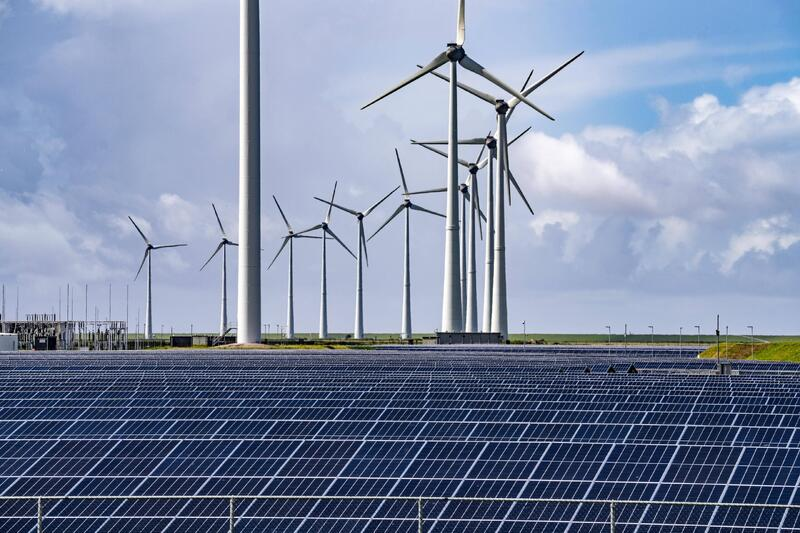
Renewable energy development is also playing a growing role in energy security strategies. Governments are investing heavily in solar, wind, and other renewable energy technologies to reduce dependence on imported fossil fuels. While renewable energy systems require significant infrastructure investment, they offer the long-term advantage of reducing vulnerability to international energy market fluctuations. Many countries are integrating renewable energy expansion into both their climate policies and national energy security plans.

Strategic energy reserves are another important component of energy security planning. Several major economies maintain emergency stockpiles of oil and fuel that can be released during supply disruptions to stabilize markets and support domestic demand. International coordination among countries with strategic reserves can help manage sudden supply shocks and prevent severe economic disruptions during energy crises.

Energy infrastructure protection has also become a priority in diplomatic discussions. Pipelines, shipping routes, power grids, and energy production facilities are critical components of national economies and are often vulnerable to geopolitical risks. Governments are increasingly cooperating on security measures aimed at protecting these assets from physical threats, cyberattacks, and other disruptions.

Looking ahead, energy security will remain a central issue in international diplomacy as countries navigate the transition toward cleaner energy systems while maintaining stable fuel supplies. Balancing the expansion of renewable energy with continued access to traditional energy resources will require coordinated policy approaches and international cooperation. As global energy markets evolve, diplomatic engagement will continue to play a key role in shaping the future of energy security and economic stability worldwide.

Share on:
Continue Reading
Click to comment

Leave a Reply

Your email address will not be published. Required fields are marked *

Global Affairs

Emerging Markets Turn to USDT for Cross Border Transactions as Dollar Liquidity Tightens

Global financial systems are undergoing rapid transformation as digital payment technologies expand across international markets. One of the most notable developments is the growing role of stablecoins in cross border transactions. Among these digital assets USDT has emerged as one of the most widely used tools for transferring value across borders. In several emerging economies individuals and businesses are increasingly turning to stablecoins to manage international payments and access dollar linked liquidity. This shift reflects broader changes in the way financial markets operate as digital infrastructure becomes more integrated with global commerce.

Stablecoins and Digital Dollar Access

Stablecoins are designed to maintain a stable value relative to traditional currencies, usually the US dollar. This feature allows users to move funds digitally while maintaining price stability. For individuals and businesses in emerging markets the ability to access a digital dollar can be particularly valuable during periods of currency volatility or limited foreign exchange availability. Stablecoins like USDT provide an alternative method for holding and transferring dollar denominated value without requiring access to conventional banking channels. This accessibility has helped stablecoins become increasingly popular in regions where international payments are costly or slow.

Cross Border Payments and Business Efficiency

International trade often requires companies to send and receive payments across multiple financial systems. Traditional banking transfers can involve high fees, exchange rate spreads and settlement delays that may last several days. Stablecoins offer a different approach by enabling digital transfers that settle on blockchain networks. For businesses operating across borders the ability to complete payments quickly can improve efficiency and reduce transaction costs. As a result many companies involved in digital services, technology outsourcing and online commerce are exploring stablecoin payments as a practical alternative to traditional remittance systems.

The Role of Global Liquidity Conditions

Financial analysts frequently examine liquidity conditions in global markets when assessing the growth of stablecoin usage. When access to dollar funding becomes more limited in traditional banking systems, businesses and investors often seek alternative channels to obtain dollar exposure. Stablecoins can serve as one such channel because they operate independently of conventional financial infrastructure. While stablecoins do not replace official banking systems, they can provide an additional layer of liquidity for participants who need to move capital quickly across international markets.

Adoption in Emerging Economies

Several emerging economies have witnessed growing interest in stablecoins as digital financial tools become more accessible. Smartphone adoption and improved internet connectivity have made it easier for individuals to access global financial services through digital platforms. Cryptocurrency exchanges and fintech applications allow users to store and transfer stablecoins using mobile devices. This technological accessibility has encouraged experimentation with digital payment systems that operate outside traditional banking networks. In many cases stablecoins are used alongside conventional financial services rather than replacing them entirely.

Regulatory Perspectives

Governments and financial regulators are increasingly examining the role of stablecoins within the global financial system. Policymakers are studying issues such as reserve transparency, compliance standards and the potential impact on monetary policy. Some regulators view stablecoins as innovative financial tools that could improve payment efficiency, while others emphasize the importance of strong oversight to maintain financial stability. As regulatory frameworks continue to evolve, the relationship between stablecoins and national financial systems will likely remain an important topic in international economic discussions.

Integration with Digital Commerce

The growth of global digital commerce is another factor contributing to stablecoin adoption. Online platforms that connect businesses and customers across borders often require flexible payment solutions. Stablecoins can support these transactions by enabling quick settlement and predictable pricing. Freelancers, software developers and digital content creators frequently work with international clients and may receive payments through digital channels. For these professionals stablecoins provide a convenient way to manage international earnings without the complexity of multiple currency conversions.

Outlook

The increasing use of USDT in emerging markets reflects a broader transformation in the global financial landscape. As digital infrastructure continues to expand and international commerce grows, stablecoins may play a larger role in facilitating cross border payments and financial connectivity.

Share on:
Continue Reading

Global Affairs

Global Power Shifts Reshape Diplomacy as Emerging Alliances Redefine International Order

The global political landscape is undergoing significant transformation as shifting alliances, economic competition and regional conflicts reshape international diplomacy. Governments around the world are adjusting their foreign policy strategies to respond to emerging geopolitical realities, including changing power balances between major economies and the increasing influence of developing nations. Analysts say the traditional structure of international relations, once dominated by a handful of global powers, is evolving into a more complex system where regional blocs, economic partnerships and strategic coalitions play a growing role in shaping diplomatic outcomes and global decision-making.

One of the defining characteristics of the current geopolitical environment is the rise of new alliances that are altering the balance of influence in global politics. Countries are strengthening regional partnerships in areas such as security cooperation, trade integration and technological development. These alliances are often built around shared economic interests or common strategic concerns, including energy security, supply chain resilience and technological competitiveness. As a result, diplomatic engagement is increasingly taking place within networks of regional and multilateral partnerships rather than relying solely on traditional bilateral relationships.

Economic competition has also become a central factor influencing global diplomacy. Governments are focusing on protecting critical industries, securing access to essential resources and strengthening domestic economic resilience. Trade agreements, investment partnerships and infrastructure initiatives are now frequently linked to broader geopolitical strategies. Analysts say economic diplomacy is playing a larger role in shaping international relations as countries seek to secure long-term access to markets, technology and strategic commodities essential for economic development and national security.

Regional conflicts and security concerns are further influencing diplomatic priorities across multiple continents. Tensions in several parts of the world have prompted governments to reassess defense strategies, expand security partnerships and increase investment in military capabilities. At the same time, international organizations and diplomatic institutions are facing pressure to respond effectively to conflicts while maintaining stability within an increasingly fragmented global system. The challenge of balancing national interests with international cooperation remains one of the defining issues of contemporary global affairs.

Technology has emerged as another major driver of geopolitical competition, particularly in areas such as artificial intelligence, cybersecurity and digital infrastructure. Governments are increasingly viewing technological leadership as a strategic asset that can shape economic and military power. As a result, technology partnerships, research collaboration and regulatory standards are becoming key components of international diplomacy. Competition over technological influence is also affecting trade relations and shaping how countries approach global governance frameworks.

At the same time, the growing influence of emerging economies is reshaping global political dynamics. Many developing nations are seeking a greater role in international decision-making institutions and advocating for reforms in global governance structures. This shift reflects broader changes in the distribution of economic power as emerging markets expand their participation in global trade and investment flows. Diplomatic forums and international organizations are therefore becoming more representative of a wider range of geopolitical interests.

Despite the evolving complexity of global politics, cooperation remains essential for addressing shared challenges such as climate change, financial stability, public health and energy security. Multilateral diplomacy continues to provide a platform for dialogue and coordination among nations with diverse political and economic systems. While geopolitical competition remains a defining feature of the current international environment, the ability of countries to collaborate on common priorities will play a crucial role in shaping the stability and effectiveness of the global order.

Share on:
Continue Reading

Global Affairs

Technology Competition Emerges as Key Factor in Global Power Politics

Technology competition is becoming one of the most significant drivers of global power politics as nations race to secure leadership in critical technological sectors. In recent years, governments have increasingly recognized that control over advanced technologies such as artificial intelligence, semiconductors, telecommunications networks, and quantum computing can shape economic strength, national security, and geopolitical influence. In 2026, technological capabilities are widely viewed as strategic assets that determine how countries compete and cooperate in the global system.

The global technology race has intensified as major economies invest heavily in research and innovation. Governments are allocating substantial resources to strengthen domestic technology industries, support advanced research institutions, and encourage private sector innovation. National strategies aimed at boosting technological competitiveness are being implemented across multiple sectors, including digital infrastructure, cybersecurity, and high-performance computing. These investments reflect the growing belief that technological leadership will influence economic growth and strategic stability in the coming decades.

Semiconductor production has become one of the most critical areas of technological competition. Microchips are essential components in modern industries ranging from consumer electronics and telecommunications to defense systems and advanced manufacturing. Countries are seeking to strengthen domestic chip production capabilities to reduce reliance on foreign suppliers and secure supply chains. Government incentives, industrial policies, and international partnerships are being used to expand semiconductor manufacturing capacity and ensure access to advanced chip technologies.

Artificial intelligence is another major area of global technological rivalry. AI technologies are transforming industries such as healthcare, finance, logistics, and defense. Nations that achieve leadership in AI development may gain significant advantages in economic productivity and military capabilities. Governments are therefore investing in AI research programs, data infrastructure, and education initiatives designed to develop a skilled workforce capable of supporting the growth of artificial intelligence technologies.

Telecommunications infrastructure, particularly next-generation networks, is also becoming a key component of geopolitical competition. The development of advanced communication networks is essential for supporting digital economies, enabling smart infrastructure, and facilitating global connectivity. Governments are evaluating technology partnerships carefully to ensure that telecommunications systems remain secure and resilient. The selection of technology providers for critical digital infrastructure has increasingly become a strategic policy decision.

Technology competition is also influencing international trade policies and regulatory frameworks. Governments are introducing export controls, investment screening mechanisms, and intellectual property protections aimed at safeguarding strategic technologies. These measures are designed to prevent sensitive technologies from being transferred to rival states while supporting domestic innovation ecosystems. At the same time, international discussions are taking place regarding global standards for emerging technologies and digital trade.

Cybersecurity has become another important dimension of technological competition. As digital systems become more integrated into national infrastructure, protecting data networks and digital assets has become a major priority for governments. Cybersecurity strategies are being developed to defend against cyber threats that could disrupt financial systems, energy infrastructure, and communication networks. International cooperation on cybersecurity is also expanding as governments seek to address shared digital risks.

Despite the competitive nature of global technology development, international collaboration continues to play an important role in scientific progress. Many research initiatives involve partnerships between universities, technology companies, and government agencies across multiple countries. Collaborative research efforts contribute to innovation in areas such as climate technology, medical research, and advanced materials.

Looking ahead, technology competition is expected to remain a defining feature of global power politics. Nations that successfully develop advanced technological capabilities will likely gain greater influence in shaping economic policies, security alliances, and international standards. As governments balance competition with cooperation, technological innovation will continue to shape the geopolitical landscape and redefine the foundations of global power in the years to come.

Share on:
Continue Reading

Trending