
Commercial Property
LDA Seals 102 Commercial Properties in Lahore Over Regulatory Violations
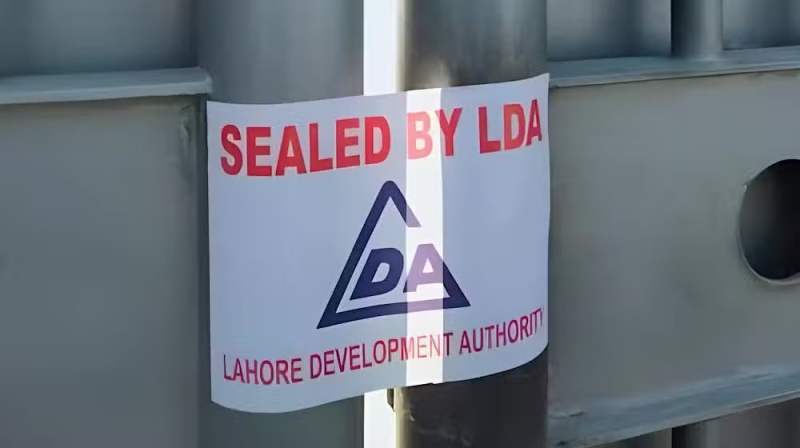
Authorities in Lahore have intensified enforcement actions against unauthorized commercial activities operating within residential zones as part of a wider effort to strengthen urban planning regulations. The Lahore Development Authority has sealed 102 commercial properties across multiple neighborhoods in the city after identifying violations related to unpaid commercialization fees and regulatory noncompliance. Officials say the operation reflects the government’s commitment to enforcing zoning regulations and ensuring that commercial activity takes place only in properly approved areas. The crackdown highlights increasing regulatory scrutiny in Lahore’s property market as authorities seek to maintain orderly development while addressing concerns about unregulated commercial expansion in residential communities.
Enforcement Drive Targets Unauthorized Commercial Use
According to officials from the Lahore Development Authority, enforcement teams carried out coordinated operations in several areas across the city to identify properties operating commercially without proper approvals. The sealed establishments were found to be functioning without paying required commercialization charges or complying with regulatory guidelines established for commercial property operations.
The enforcement action covered a wide range of commercial activities operating within residential localities. Among the sealed properties were private educational institutions, medical clinics, pharmacies, grocery stores, restaurants, beauty salons, property offices, auto workshops, and other business outlets that had been functioning without completing the required legalization process.
Urban authorities say commercialization rules exist to ensure that residential neighborhoods maintain appropriate planning standards while allowing regulated commercial activity where infrastructure can support increased traffic and business operations. When businesses operate in residential areas without authorization, it can create problems related to traffic congestion, parking shortages, and disruption of residential environments.
Officials emphasized that the crackdown was aimed at ensuring compliance with urban planning laws rather than discouraging legitimate commercial activity in designated zones.
Major Areas Affected by the Enforcement Operation
The enforcement campaign was carried out across multiple neighborhoods in Lahore where authorities identified clusters of unauthorized commercial establishments. According to officials, enforcement teams sealed 21 properties located in Faisal Town and New Garden Town, two residential areas where commercial conversion has expanded in recent years.
Additional enforcement actions targeted Gulshan Ravi and Samanabad where authorities sealed 11 properties operating without required approvals. The largest number of violations was recorded in the Lahore Avenue Scheme located along Pine Avenue where enforcement teams sealed 55 commercial properties during the operation.
Another 15 properties were sealed on New Defense Road, an area where commercial activity has increased as new residential and mixed use developments continue to emerge.
Urban planners say enforcement actions of this scale demonstrate the increasing focus on regulatory compliance in Lahore’s property market. Authorities aim to prevent uncontrolled commercialization that could disrupt residential communities and place pressure on infrastructure designed primarily for housing rather than business activity.
Regulatory Compliance Critical for Urban Development
City authorities say commercialization fees and regulatory approvals are essential components of organized urban development. When property owners convert residential units into commercial spaces without completing the required approval process, it can undermine planning frameworks designed to maintain balanced city growth.
Commercial zones require infrastructure such as wider roads, parking facilities, waste management systems, and utility networks capable of supporting higher levels of activity. Residential areas often lack these features, which is why zoning regulations exist to manage how land is used within urban environments.
Urban development specialists believe that enforcing commercialization regulations helps maintain property values within residential neighborhoods while ensuring that commercial activity occurs in locations where infrastructure can support business operations. Clear enforcement of these rules can also create a more predictable environment for investors seeking commercial property opportunities in approved business districts.
Authorities have indicated that similar enforcement actions may continue in the future if property owners fail to comply with regulatory requirements related to commercialization approvals and fee payments.
Broader Urban Management Measures in Lahore
While enforcement teams focused on illegal commercial activity, the district administration also continued monitoring efforts aimed at maintaining stable prices for essential goods during the ongoing Ramadan period. Officials conducted inspections in several markets and Ramazan Bazaars to review supply conditions and pricing trends for commonly consumed items.
Authorities inspected vegetable markets and Ramazan Sahulat Bazaars to ensure that essential commodities remained available to consumers at controlled prices. Officials reported that administrative measures have helped maintain adequate supply levels and prevented shortages during the early weeks of the Ramadan season.
Market inspections included reviewing bidding procedures in wholesale markets and assessing the quality of items available at retail stalls. Officials confirmed that staple goods such as flour and sugar were available at regulated prices while vegetable prices in certain markets were lower compared with previous years.
Outlook for Commercial Property Compliance
The sealing of more than one hundred commercial establishments signals a renewed push by urban authorities to enforce zoning regulations in Lahore’s rapidly evolving property market. As commercial activity expands into residential areas, regulatory enforcement is expected to play an increasingly important role in maintaining balanced urban development.
For property owners and businesses, compliance with commercialization requirements will remain essential to avoid legal action and ensure continued operation within Lahore’s regulated commercial property environment.
You may like
Commercial Property
The Future of Commercial Real Estate in Pakistan: Trends, Predictions and Market Insights
Commercial real estate in Pakistan is undergoing a period of transformation as urbanization, economic diversification, and technological change reshape property demand across major cities. Over the past decade, the sector has gradually evolved from traditional retail plazas and office blocks to more integrated developments that combine retail, office, and lifestyle spaces within a single project. Investors, developers, and policymakers are increasingly recognizing the role commercial real estate plays in supporting economic activity, employment generation, and business expansion.
Cities such as Karachi, Lahore, and Islamabad remain the core centers of commercial property activity. These urban hubs continue to attract businesses, financial institutions, technology companies, and retail brands that require modern and accessible workspaces. As a result, demand for well-located office buildings, shopping centers, and mixed-use projects has steadily increased. Despite economic fluctuations, the sector has demonstrated resilience because commercial property is closely tied to long-term urban growth rather than short-term market cycles.
Expanding Demand for Office and Business Spaces
Office space investment has become one of the fastest growing segments within Pakistan’s commercial property market. Corporate expansion, the growth of technology companies, and increasing entrepreneurial activity have created sustained demand for modern office environments. Businesses are increasingly seeking professionally managed spaces that offer reliable infrastructure, efficient layouts, and proximity to transportation networks.
In recent years, developers have also started to incorporate flexible workspace designs that support hybrid working models. Shared office facilities, collaborative workspaces, and technology-enabled buildings are gradually becoming more common in commercial developments. These features help attract tenants from sectors such as information technology, financial services, consulting firms, and startups. As Pakistan’s service economy continues to grow, demand for high-quality office spaces is expected to remain strong.
Retail and Mixed-Use Developments Reshaping Urban Landscapes
Retail real estate continues to play a critical role in Pakistan’s commercial property sector. Shopping malls, lifestyle centers, and commercial plazas remain attractive investment options because of the steady demand for retail outlets and dining spaces in densely populated urban areas. Even with the expansion of e-commerce platforms, physical retail spaces continue to attract customers due to the social and experiential aspects of shopping.
Mixed-use developments have also emerged as a defining trend in the commercial property market. These projects integrate offices, retail outlets, and residential components within the same development, creating self-sustained urban environments. For investors, mixed-use properties offer diversified income streams, while businesses benefit from access to a built-in consumer base within the development. As urban land becomes increasingly scarce in major cities, mixed-use projects are expected to become more common.
Emerging Commercial Investment Opportunities in Secondary Cities
While Karachi, Lahore, and Islamabad dominate commercial real estate activity, several secondary cities are gradually emerging as new investment destinations. Cities such as Faisalabad, Gujranwala, and Peshawar are witnessing growing business activity as industrial development and population expansion increase demand for commercial infrastructure.
Lower land prices in these cities provide investors with opportunities to enter commercial property markets at relatively affordable levels. As business ecosystems develop and urban infrastructure improves, these cities may offer long-term growth potential for retail centers, office buildings, and logistics facilities. Investors who identify promising markets early may benefit from appreciation as commercial activity expands.
Infrastructure and Regulatory Challenges
Despite the sector’s growth potential, commercial real estate development in Pakistan faces several structural challenges. Complex regulatory procedures and lengthy approval processes often slow down new projects and increase development costs. Multiple authorities may be involved in project approvals, and inconsistent regulations can create uncertainty for investors.
Infrastructure limitations also affect the feasibility of commercial projects. Poor transportation networks, inconsistent utilities, and limited urban planning can reduce accessibility and discourage commercial activity in certain areas. Addressing these issues requires coordinated efforts between government institutions and private developers to improve urban planning, infrastructure investment, and regulatory transparency.
Economic Factors Influencing Investment Decisions
Macroeconomic conditions also influence the pace of commercial real estate investment. Inflation, interest rate fluctuations, and currency volatility can affect financing costs and investor confidence. During periods of economic uncertainty, some investors may delay property transactions or shift their focus toward more stable asset classes.
However, commercial property has historically been viewed as a long-term investment that benefits from economic recovery and urban expansion. Investors who adopt long-term strategies and diversify their portfolios across multiple property types often manage market volatility more effectively. Careful market analysis and location selection remain essential for reducing investment risks.
Key Trends Shaping the Future of Commercial Real Estate
Several structural trends are expected to shape the future of Pakistan’s commercial property market. One important trend is the gradual shift toward smart and sustainable building design. Developers are increasingly incorporating energy-efficient systems, advanced security features, and digital infrastructure within new commercial projects.
Technology-driven industries are also influencing property demand. The expansion of IT companies and digital services is driving interest in technology parks and modern office complexes equipped with high-speed connectivity and flexible workspaces. In addition, co-working spaces and shared office environments are becoming popular among freelancers, startups, and small businesses seeking cost-efficient workspace solutions.
Institutional investment may also play a larger role in the sector’s future. Real estate investment structures such as REITs can provide greater transparency and attract institutional capital into commercial property markets. These mechanisms can help improve governance standards and provide investors with access to diversified real estate portfolios.
Outlook
The commercial real estate sector in Pakistan is positioned for gradual but steady growth as urban expansion, business activity, and infrastructure development continue to reshape the country’s economic landscape. Investors who understand market dynamics and focus on well-located projects are likely to benefit from long-term opportunities within the evolving commercial property market.
Commercial Property
Commercial Property Investment in Pakistan Gains Momentum as Retail and Corporate Demand Expands
Commercial property investment in Pakistan is gaining increasing attention in 2026 as investors search for assets that can provide stable income and long-term value growth. While residential property continues to dominate traditional investment patterns, commercial real estate is gradually emerging as a more strategic option for individuals and institutional investors seeking higher rental yields and stronger financial stability.
Economic expansion in major cities such as Karachi, Lahore, and Islamabad has created growing demand for office buildings, retail outlets, and commercial plazas. Businesses expanding their operations require professionally managed spaces that offer accessibility, visibility, and infrastructure. This surge in demand has strengthened investor confidence in commercial real estate, making it one of the most attractive property segments in the country.
Investors also view commercial property as a potential hedge against inflation. Rental agreements for commercial units often include periodic rent adjustments that allow landlords to maintain purchasing power despite rising prices. As Pakistan’s urban economy continues to evolve, commercial property investment is increasingly becoming a preferred choice for individuals looking to diversify their portfolios.
Understanding the Structure of Commercial Property Investment
Commercial real estate refers to properties used primarily for business activities rather than residential living. In Pakistan, this category includes office spaces, retail shops, shopping plazas, mixed-use developments, and logistics facilities. These properties generate income through leasing agreements with businesses, companies, or service providers.
Unlike residential real estate, commercial investments are closely tied to economic activity and business expansion. Companies seeking office space, retailers looking for customer access, and service providers establishing operational hubs all contribute to demand for commercial properties. Because of this, commercial real estate markets often reflect broader economic growth trends.
The presence of professional tenants also distinguishes commercial property investments from residential ones. Businesses usually maintain longer tenancy periods and operate under legally structured lease agreements. These arrangements provide property owners with more predictable income streams and greater financial stability compared with residential rental properties.
Why Commercial Real Estate Often Delivers Stronger Returns
One of the primary reasons investors prefer commercial property is its potential to generate higher rental income. In many prime urban areas, commercial units deliver significantly stronger yields than residential apartments or houses. This difference in income potential has encouraged investors to consider commercial real estate as a core component of their investment strategy.
Commercial leases are typically longer than residential rental agreements, often extending for several years. This reduces the risk of frequent tenant turnover and ensures consistent cash flow for property owners. In addition, many commercial lease contracts include escalation clauses that allow rent to increase periodically.
Corporate tenants also tend to maintain properties professionally, preserving building standards and reducing maintenance concerns for landlords. These factors collectively make commercial real estate a more stable income-producing asset, particularly in established business districts and high-traffic retail zones.
Key Commercial Property Segments in Pakistan
Office buildings remain one of the most prominent commercial property investment options in Pakistan. Major financial institutions, technology companies, and corporate service providers require office spaces in central business districts. Cities such as Karachi and Lahore continue to experience increasing demand for modern office facilities.
Retail property is another important segment within the commercial real estate market. Shops located in commercial plazas or busy shopping areas generate strong rental income due to consistent consumer traffic. Investors often target retail units located near residential communities or commercial corridors where demand for everyday services remains high.
Mixed-use developments have also gained popularity in recent years. These projects combine retail outlets, office spaces, and residential units within a single development. By creating integrated urban environments, mixed-use projects attract diverse tenants and provide investors with multiple revenue streams.
Cities Driving Commercial Property Growth
Karachi remains Pakistan’s largest commercial property market due to its role as the country’s financial and industrial hub. Major business districts such as Clifton, DHA, and Shahrah-e-Faisal attract significant investor interest because of their strong commercial activity and high property liquidity.
Lahore has also witnessed rapid commercial expansion, particularly in areas such as Gulberg and surrounding commercial zones. The city’s growing corporate sector and expanding retail market have increased demand for modern office spaces and shopping plazas.
Islamabad offers a comparatively regulated property environment with well-planned sectors and controlled zoning. Investors seeking long-term stability often consider the capital city attractive because of its structured urban development and lower market volatility compared with larger metropolitan centers.
Commercial Property Opportunities for Overseas Pakistanis
Overseas Pakistanis represent an important investor group within the country’s property market. Many expatriates prefer commercial real estate because it offers higher rental returns and professional property management options. For investors living abroad, these factors simplify asset management and income collection.
Commercial units located in approved developments are particularly appealing to overseas investors. Such projects typically offer transparent documentation, reliable infrastructure, and established tenant demand. As remittance flows continue to support Pakistan’s economy, overseas investment in commercial property is expected to remain a key driver of market activity.
Legal Verification and Due Diligence
Investing in commercial real estate requires careful verification of legal documentation and regulatory approvals. Investors must confirm ownership records, development authority approvals, and registry details before completing any transaction. Proper due diligence helps prevent disputes and protects long-term investment value.
Professional advisors and real estate consultants often assist investors in reviewing documentation and evaluating property valuations. Their expertise ensures that buyers make informed decisions and avoid projects that may face regulatory or legal complications.
Outlook
Commercial property investment in Pakistan is expected to remain a strong growth segment as urban economic activity expands and businesses continue to seek modern workspaces and retail environments. With rising demand for organized commercial spaces and improving investment awareness, commercial real estate is likely to play an increasingly important role in Pakistan’s property market in the coming years.
Commercial Property
Retail Expansion Driving Demand for Shopping Mall Space in Major Pakistani Cities
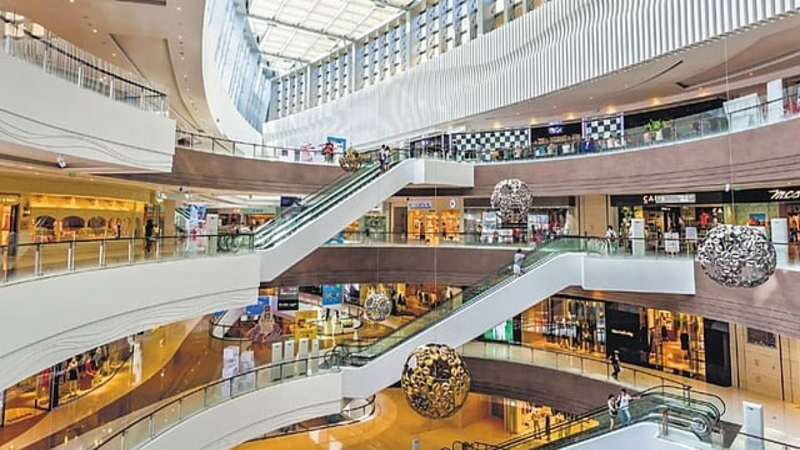
Pakistan’s expanding retail sector is driving growing demand for shopping mall space and commercial retail units across major urban centers. As consumer spending gradually recovers and organized retail brands continue to expand their presence, shopping malls and commercial plazas are witnessing increased leasing activity. Developers and investors say the rise of modern retail formats has transformed commercial property markets in cities such as Karachi, Lahore, and Islamabad, where new retail projects are being planned to accommodate local and international brands seeking premium commercial space.
Organized Retail Growth Reshaping Commercial Property Market
Over the past decade, Pakistan’s retail sector has steadily evolved from traditional markets toward organized retail environments such as shopping malls and large commercial complexes. Consumers are increasingly drawn to modern retail spaces that combine shopping, dining, and entertainment facilities within a single location.
This shift in consumer preferences has encouraged retailers to seek space in well managed malls and commercial centers where footfall is higher and infrastructure is better organized. Retail chains, clothing brands, electronics stores, and restaurants now prefer locations that provide consistent visitor traffic and convenient access for customers.
Developers say the demand for organized retail spaces has significantly increased occupancy levels in existing malls while also encouraging the construction of new retail developments.
Major Cities Leading Retail Property Expansion
Pakistan’s largest metropolitan areas remain the primary hubs for commercial retail property activity. Karachi, the country’s financial center, continues to see strong demand for retail outlets in major commercial districts and shopping malls.
Lahore has also emerged as a major retail destination, with numerous malls and commercial plazas catering to both local and international brands. The city’s rapidly expanding population and rising middle class have created favorable conditions for retail business growth.
Islamabad’s retail market has also matured in recent years, with the development of modern shopping centers and mixed use commercial projects. These complexes often combine retail outlets with restaurants, entertainment venues, and office spaces, attracting both consumers and investors.
Retail Brands Increasing Mall Occupancy
Retail expansion by local and international brands has played a key role in boosting mall occupancy rates. Franchise outlets, fashion brands, food chains, and electronics retailers are continuously seeking new commercial locations in high traffic areas.
Shopping malls provide retailers with organized infrastructure, reliable utilities, security services, and marketing support that are often unavailable in traditional markets. These advantages help businesses attract larger customer bases while maintaining consistent sales performance.
Real estate analysts say that anchor tenants such as large fashion brands or supermarkets often attract additional retailers, helping shopping malls maintain strong occupancy levels and increasing overall commercial property value.
Developers Investing in New Retail Projects
The rising demand for organized retail space has encouraged developers to invest in new commercial projects across Pakistan’s major cities. Many modern developments now include dedicated retail floors, shopping centers, and mixed use complexes designed to support both retail and office activities.
Developers say retail tenants often provide stable rental income, making commercial retail properties attractive for investors seeking long term returns. Shopping malls located in prime urban locations typically maintain high occupancy rates and generate consistent leasing revenue.
Several new commercial developments are also being planned near residential communities where growing populations create demand for nearby retail and entertainment facilities.
Changing Consumer Behavior Supporting Retail Spaces
Urban lifestyles in Pakistan have changed significantly over the past decade, with consumers increasingly preferring organized retail environments that offer a wider variety of products and services in one location. Shopping malls often serve not only as retail centers but also as social spaces where families gather for dining, entertainment, and leisure activities.
This change in consumer behavior has strengthened the role of malls as key components of urban commercial infrastructure. Developers believe that retail complexes offering integrated lifestyle experiences will continue to attract strong consumer interest.
Outlook for Commercial Retail Property
Market analysts expect Pakistan’s retail expansion to remain a major driver of commercial property development in the coming years. With growing urban populations and rising consumer spending, the demand for organized retail spaces is likely to continue increasing.
As developers invest in new malls and mixed use projects, commercial property markets in major cities are expected to benefit from stronger retail activity and expanding leasing opportunities.


Trending

 Artificial Intelligence4 months ago
South Korea Unveils $880 Billion AI and c Investment Plan

 Football3 months ago
Better Future Pakistan | Match -1 | Norway

 Latest News7 months ago
Crypto Liquidity and Capital Flows: Could Rising USDT Activity Influence Pakistan’s Equity Markets
 Latest News7 months ago
Etihad Town Phase I Introduces Overseas Block with Residential and Commercial Plot Opportunities in Lahore

 Football3 months ago
Better Future Pakistan | LIVE Match | Norway

 Latest News7 months ago
From Catalog Clicks to Conversational AI: How Moeed Sheikh Is Building Revenue Driven Digital Experiences
 Latest News7 months ago
Punjab Introduces Mandatory Underground Infrastructure Rules for New Housing Societies in Lahore
 Latest News7 months ago
PSX Bloodbath as KSE100 Plunges Over 13,000 Points After Trading Resumes