Energy security has become one of the most important priorities in international diplomacy as countries seek reliable access to fuel, electricity, and critical energy resources in an increasingly uncertain geopolitical environment. In recent years, global disruptions to oil, gas, and electricity markets have highlighted how closely energy supply is tied to economic stability and national security. Governments around the world are now placing greater emphasis on securing diversified energy sources, strengthening supply chains, and building diplomatic partnerships aimed at stabilizing global energy markets.
The concept of energy security refers to the ability of a country to ensure consistent and affordable access to energy resources needed to power industries, transportation, and households. Rapid economic growth, population expansion, and rising energy demand have increased competition among nations for resources such as crude oil, natural gas, and strategic minerals used in modern energy systems. As a result, energy policy has become deeply integrated with foreign policy, trade negotiations, and geopolitical alliances.
Recent global events have demonstrated how vulnerable energy markets can be to geopolitical tensions and supply disruptions. Conflicts in key energy-producing regions, shipping disruptions, and production cuts have caused volatility in oil and gas prices. These disruptions can have widespread economic consequences, affecting inflation, industrial production, and global trade flows. Governments are increasingly working through diplomatic channels to stabilize supply routes and ensure that energy markets remain functional during periods of geopolitical uncertainty.
One of the main strategies countries are pursuing to strengthen energy security is supply diversification. Instead of relying heavily on a single supplier or region, many nations are expanding their energy partnerships with multiple producers across different parts of the world. This approach reduces the risk of supply disruptions and allows countries to maintain stable energy imports even during geopolitical crises. Long-term energy contracts and international energy partnerships have become important tools in securing reliable energy flows.
Liquefied natural gas (LNG) has emerged as a major component of global energy diplomacy. Advances in LNG technology have made it possible to transport natural gas across long distances by sea, enabling countries to access global gas markets more easily. Many governments are investing in LNG import terminals, storage facilities, and regasification infrastructure to improve flexibility in their energy supply systems. These investments help countries respond more effectively to shifts in global energy supply and demand.
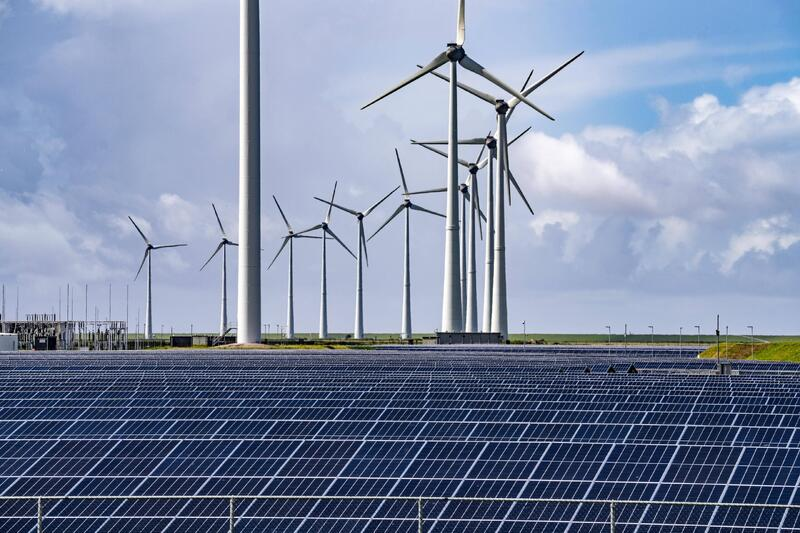
Renewable energy development is also playing a growing role in energy security strategies. Governments are investing heavily in solar, wind, and other renewable energy technologies to reduce dependence on imported fossil fuels. While renewable energy systems require significant infrastructure investment, they offer the long-term advantage of reducing vulnerability to international energy market fluctuations. Many countries are integrating renewable energy expansion into both their climate policies and national energy security plans.
Strategic energy reserves are another important component of energy security planning. Several major economies maintain emergency stockpiles of oil and fuel that can be released during supply disruptions to stabilize markets and support domestic demand. International coordination among countries with strategic reserves can help manage sudden supply shocks and prevent severe economic disruptions during energy crises.
Energy infrastructure protection has also become a priority in diplomatic discussions. Pipelines, shipping routes, power grids, and energy production facilities are critical components of national economies and are often vulnerable to geopolitical risks. Governments are increasingly cooperating on security measures aimed at protecting these assets from physical threats, cyberattacks, and other disruptions.
Looking ahead, energy security will remain a central issue in international diplomacy as countries navigate the transition toward cleaner energy systems while maintaining stable fuel supplies. Balancing the expansion of renewable energy with continued access to traditional energy resources will require coordinated policy approaches and international cooperation. As global energy markets evolve, diplomatic engagement will continue to play a key role in shaping the future of energy security and economic stability worldwide.








 Artificial Intelligence4 months ago
 Football3 months ago
 Latest News7 months ago
 Latest News7 months ago
 Football3 months ago
 Latest News7 months ago
 Latest News7 months ago
 Latest News7 months ago