Rising geopolitical tensions are increasingly influencing global trade patterns and reshaping international security alliances. In recent years, strategic competition among major powers, regional conflicts, and economic rivalries have significantly altered how countries approach diplomacy, trade partnerships, and defense cooperation. In 2026, the global geopolitical landscape is marked by a growing emphasis on national security, supply chain resilience, and the formation of new alliances aimed at managing both economic and strategic risks.
Trade relationships between major economies are becoming more closely linked with geopolitical considerations. Governments are increasingly evaluating economic partnerships not only in terms of financial benefits but also in relation to national security and technological independence. Strategic industries such as energy, semiconductors, rare earth minerals, and advanced manufacturing are now viewed as critical to national interests. As a result, several countries are seeking to reduce reliance on external suppliers and strengthen domestic production capabilities.
Supply chain security has become a major priority for governments and multinational corporations alike. Disruptions caused by global conflicts, trade disputes, and pandemic-related challenges have exposed vulnerabilities in international supply networks. In response, many countries are encouraging businesses to diversify supply sources, relocate production facilities closer to domestic markets, or establish alternative trade corridors with trusted partners. These adjustments are gradually reshaping the structure of global trade flows.
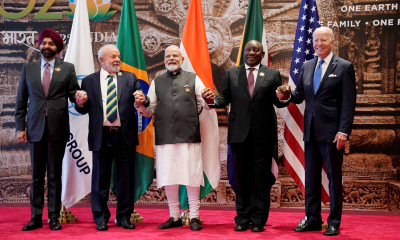
Security alliances are also evolving as nations respond to changing geopolitical conditions. Defense partnerships that were traditionally focused on military cooperation are increasingly expanding into areas such as cybersecurity, technology development, and economic coordination. Countries are strengthening defense collaborations through joint military exercises, intelligence sharing agreements, and coordinated responses to emerging security threats. These alliances are designed to enhance collective security and maintain regional stability in an increasingly complex geopolitical environment.
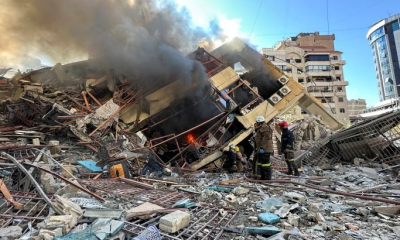
Regional conflicts and territorial disputes are further contributing to the shifting balance of global alliances. Ongoing tensions in several regions have prompted countries to reassess their diplomatic strategies and defense commitments. In some cases, nations are forming new partnerships to address shared security concerns, while in others, existing alliances are being reinforced to respond to evolving geopolitical risks. These developments are influencing not only military cooperation but also trade policies and economic partnerships.
Energy security has also become closely intertwined with geopolitical strategy. Access to reliable energy supplies is a key factor shaping diplomatic relations between countries. Governments are investing in energy diversification strategies, including renewable energy development, liquefied natural gas infrastructure, and alternative supply routes. These efforts are intended to reduce dependence on single suppliers and strengthen national energy resilience.
Technology and innovation are emerging as additional dimensions of geopolitical competition. Countries are competing to establish leadership in areas such as artificial intelligence, advanced computing, telecommunications networks, and semiconductor production. Technological capabilities are increasingly seen as strategic assets that influence economic competitiveness and national security. As a result, governments are implementing policies that support domestic research, protect critical technologies, and regulate technology transfers.
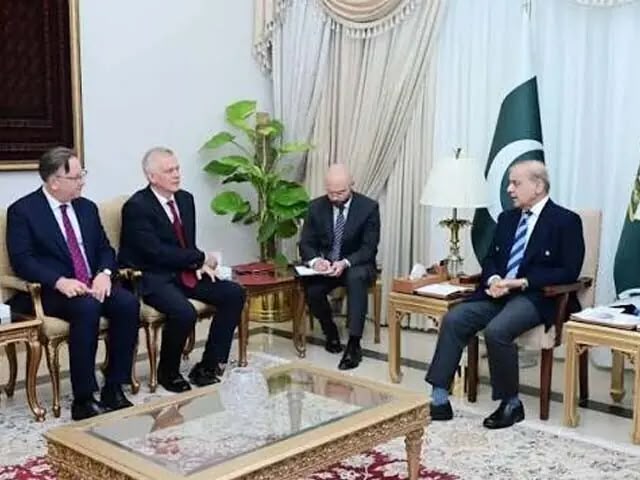
Despite these tensions, global trade and diplomacy remain interconnected through multilateral institutions and international agreements. Organizations focused on trade cooperation, financial stability, and conflict resolution continue to play an important role in facilitating dialogue among nations. Diplomatic negotiations and international forums remain key platforms for managing disputes and promoting economic cooperation.
Looking ahead, geopolitical tensions are likely to remain a defining factor in shaping global trade relationships and security alliances. Governments will continue to balance economic cooperation with strategic competition as they adapt to evolving global dynamics. The ability of nations to manage geopolitical challenges while maintaining open channels for trade and diplomacy will be critical in determining the stability of the international system in the years ahead.


















 Artificial Intelligence4 months ago
 Football3 months ago
 Latest News7 months ago
 Latest News7 months ago
 Football3 months ago
 Latest News7 months ago
 Latest News7 months ago
 Latest News7 months ago