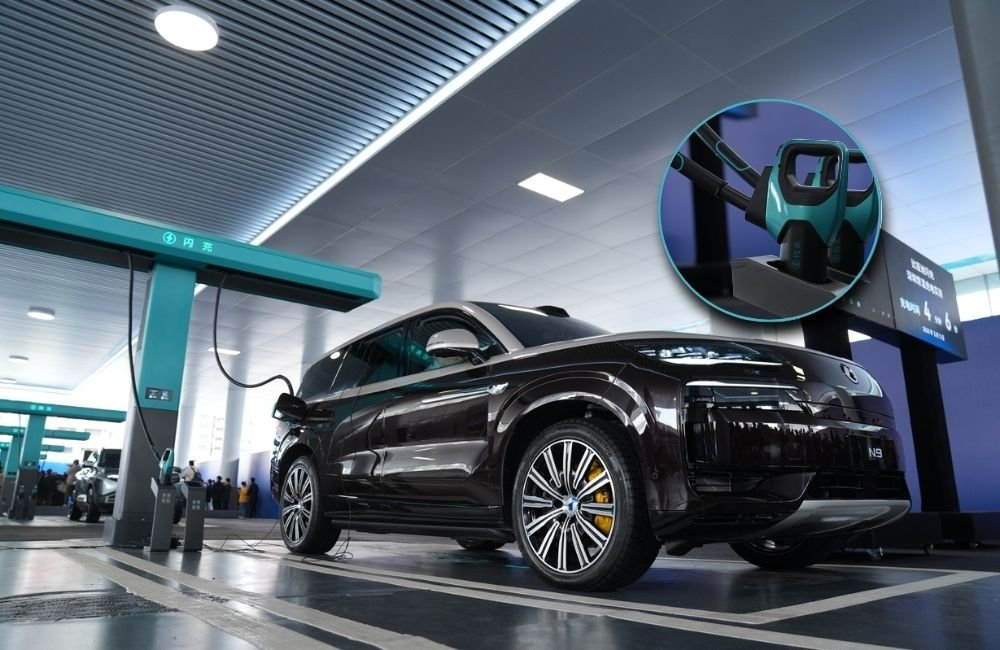
The global electric vehicle industry is entering a new phase of competition as automakers race to develop faster and more extensive charging networks to support the rapid growth of electric mobility. As electric vehicles become more popular worldwide, reliable and efficient charging infrastructure has become one of the most critical factors influencing consumer adoption. In 2026, major automotive companies, energy providers, and technology firms are investing billions of dollars to build high-speed charging stations capable of dramatically reducing charging times. This global effort aims to make electric vehicle ownership more convenient and eliminate one of the biggest concerns for potential buyers—charging accessibility.
Fast-charging technology has advanced significantly in recent years, allowing electric vehicles to recharge much more quickly than before. Early EV charging systems often required several hours to fully charge a vehicle battery, but modern high-powered chargers can now restore a large portion of battery capacity in less than thirty minutes. Some next-generation charging systems are designed to deliver ultra-fast charging speeds that could add hundreds of kilometers of driving range in a short stop. These improvements are helping electric vehicles become more practical for long-distance travel and everyday commuting.
Automakers are increasingly collaborating with energy companies and infrastructure providers to expand charging networks across major markets. Several international partnerships have been formed to deploy thousands of fast-charging stations along highways, urban centers, and key transportation corridors. These stations are designed to support multiple vehicle models and provide consistent charging performance across different regions. The goal is to create a seamless charging experience for drivers regardless of where they travel, ensuring that EV users have reliable access to power during long journeys.
The expansion of charging networks is also being supported by government initiatives and public investment programs. Many countries have introduced policies aimed at accelerating the development of EV infrastructure as part of broader climate and energy strategies. Funding programs, tax incentives, and regulatory frameworks are encouraging private companies to invest in charging stations and related technologies. Governments recognize that widespread charging availability is essential for achieving long-term goals related to carbon emissions reduction and sustainable transportation.
Technological innovation is playing a key role in improving charging performance and efficiency. Advances in battery management systems, power electronics, and charging connectors are helping vehicles handle higher charging speeds safely. Some manufacturers are developing vehicles with advanced battery architectures that support extremely high power inputs without damaging the battery. In addition, smart charging systems are being introduced to manage electricity demand more efficiently, allowing charging stations to balance energy loads and reduce strain on power grids.
The competition to build the fastest and most accessible EV charging networks is also shaping the broader electric vehicle market. Automakers that offer reliable charging solutions alongside their vehicles are gaining a competitive advantage in attracting new customers. Many manufacturers are integrating charging services directly into their vehicle ecosystems, allowing drivers to locate stations, plan routes, and manage payments through digital applications connected to their vehicles.
As electric vehicle adoption continues to expand globally, charging infrastructure will remain a crucial component of the transition toward clean mobility. Industry experts expect the development of ultra-fast charging networks to accelerate further as technology improves and investments increase. With continued collaboration between automakers, energy companies, and governments, the race to build the fastest charging EV networks is likely to play a central role in shaping the future of transportation.










 Artificial Intelligence4 months ago
 Football3 months ago
 Latest News7 months ago
 Latest News7 months ago
 Football3 months ago
 Latest News7 months ago
 Latest News7 months ago
 Latest News7 months ago