The global automotive industry is undergoing one of its most significant transformations as electric vehicles rapidly gain traction and accelerate the shift away from traditional internal combustion engines. Governments, automakers, and consumers are increasingly embracing electric mobility as concerns over climate change, fuel costs, and environmental sustainability grow worldwide. In 2026, electric vehicles are becoming a central pillar of modern transportation strategies as countries introduce stricter emission standards and invest heavily in clean energy infrastructure. The transition toward electrification is reshaping the future of the automotive sector, pushing manufacturers to rethink vehicle design, production strategies, and long-term mobility solutions.
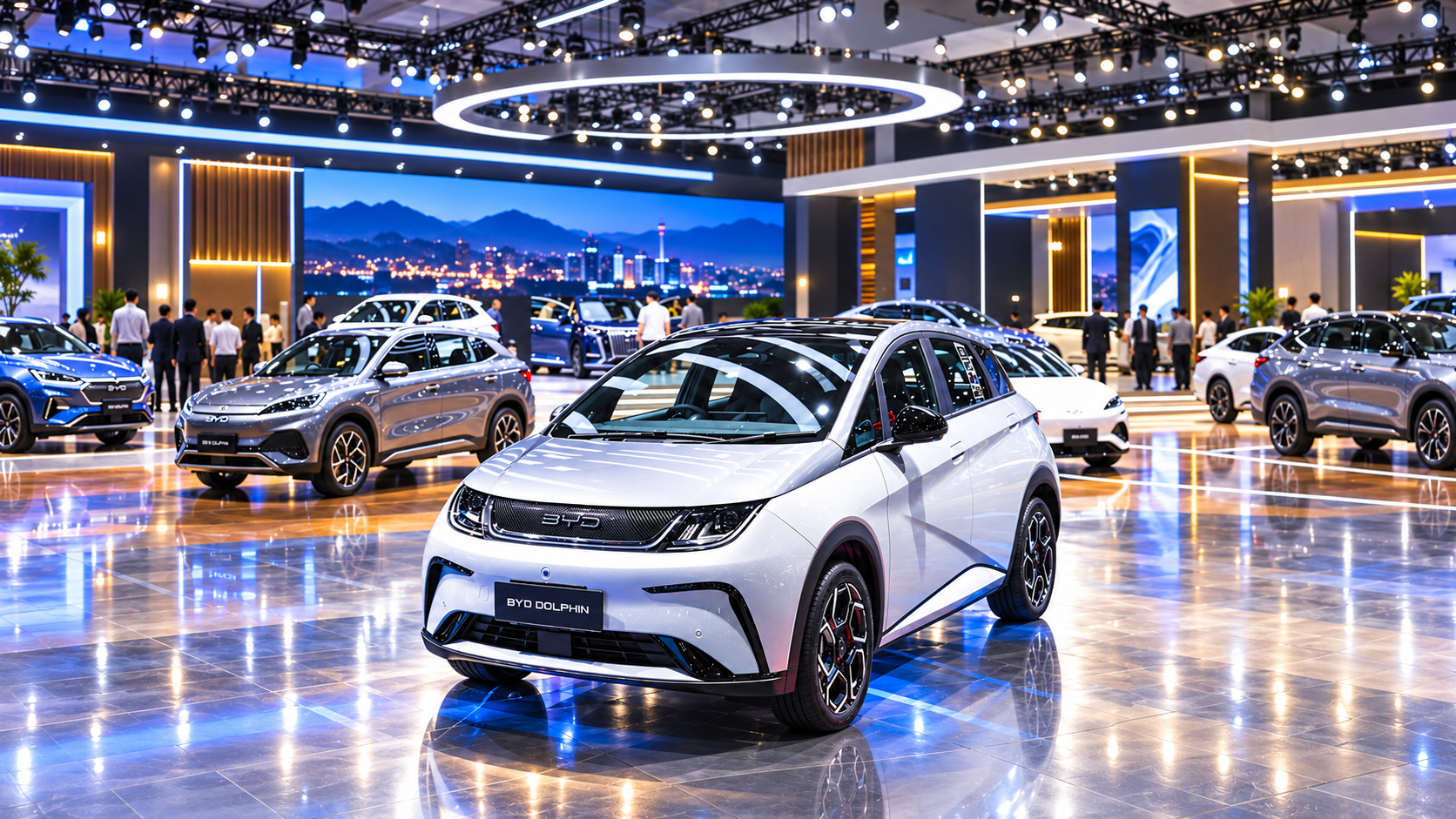
One of the primary drivers behind the rise of electric vehicles is the global push to reduce carbon emissions. Transportation accounts for a large portion of global greenhouse gas output, prompting policymakers to implement regulations aimed at reducing reliance on fossil fuels. Several countries have announced plans to phase out the sale of new gasoline and diesel vehicles over the coming decades. These policies have encouraged automakers to accelerate their electric vehicle programs, with many major brands committing substantial investments to expand their EV product lines. As a result, consumers now have access to a wider variety of electric models, ranging from compact city cars to luxury SUVs.
Technological improvements in battery systems have played a crucial role in making electric vehicles more practical and appealing. Advances in lithium-ion battery technology have significantly increased the driving range of modern EVs while reducing charging times. Many new electric vehicles can now travel several hundred kilometers on a single charge, addressing one of the major concerns that previously discouraged potential buyers. In addition, research into next-generation battery technologies aims to further enhance energy density, improve durability, and lower production costs, which could make electric vehicles even more accessible to mainstream consumers.
The rapid expansion of charging infrastructure is another key factor supporting the global adoption of electric vehicles. Governments and private companies are investing in extensive networks of charging stations to ensure that drivers can recharge their vehicles conveniently during daily commutes or long-distance travel. Public charging points are increasingly available in urban areas, shopping centers, workplaces, and along major highways. Fast-charging technologies are also improving, allowing drivers to recharge a significant portion of their battery capacity in a relatively short time. These developments are helping reduce range anxiety and making EV ownership more practical for a growing number of drivers.
Automakers are also redesigning vehicle platforms specifically for electric powertrains. Unlike combustion engines, electric motors require fewer moving parts, which allows engineers to develop new vehicle architectures that maximize efficiency and interior space. Dedicated electric platforms support advanced technologies such as over-the-air software updates, improved energy management systems, and enhanced driver assistance features. These innovations are helping electric vehicles compete not only on environmental benefits but also on performance, technology integration, and driving experience.
Consumer attitudes toward electric vehicles are also evolving as awareness of sustainability and long-term cost savings increases. While the initial purchase price of electric vehicles can sometimes be higher than conventional cars, lower fuel costs and reduced maintenance requirements can lead to savings over time. Government incentives, including tax credits and subsidies, are further encouraging consumers to consider electric options when purchasing new vehicles.
As the automotive industry continues to transition toward electrification, electric vehicles are expected to play an increasingly dominant role in global transportation systems. With continued innovation in battery technology, expanding charging networks, and strong regulatory support, the shift away from combustion engines is likely to accelerate in the years ahead. The rise of electric vehicles represents a major milestone in the evolution of modern mobility and the global effort to build a more sustainable transportation future.











 Artificial Intelligence4 months ago
 Football3 months ago
 Latest News7 months ago
 Latest News7 months ago
 Football3 months ago
 Latest News7 months ago
 Latest News7 months ago
 Latest News7 months ago