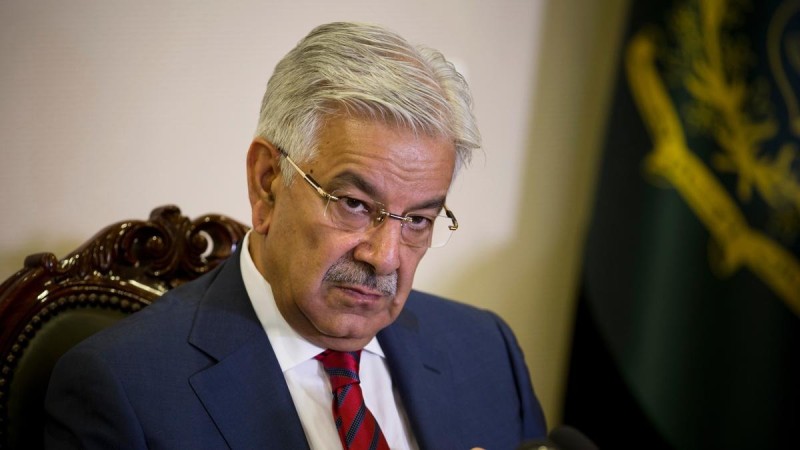
Pakistan may consider increasing its defence budget in the upcoming fiscal plan as regional tensions and security challenges continue to shape the country’s strategic priorities. Defence Minister Khawaja Asif has indicated that the current security environment requires stronger military preparedness and a reassessment of defence allocations in the federal budget. His remarks come at a time when geopolitical tensions in the Middle East and persistent border security issues are influencing national policy discussions. Defence spending has historically remained one of the largest components of Pakistan’s budget, and the possibility of an increase reflects the government’s focus on safeguarding national security while navigating economic constraints.
Regional Security Environment Drives Budget Considerations
Pakistan’s defence minister highlighted the growing uncertainty in the region, pointing to rising tensions involving the United States, Iran, and Israel. According to him, the possibility of a broader conflict in the Middle East has created an unpredictable security environment that could have global consequences. While international diplomatic efforts are continuing to prevent further escalation, the situation remains fragile. Governments across the region are closely monitoring developments as any expansion of conflict could impact energy markets, international trade routes, and regional stability.
Khawaja Asif noted that several European countries appear cautious about openly supporting military escalation in the ongoing tensions. This hesitation suggests that the current conflict environment lacks unified international backing, although geopolitical alliances continue to influence strategic decisions. In such circumstances, countries often reassess their defence preparedness to ensure that they can respond effectively to potential security threats. Pakistan’s security leadership believes that maintaining strong defence capabilities is necessary to protect national interests during periods of heightened regional instability.
Another major concern highlighted by the defence minister is the strategic importance of the Strait of Hormuz, a key maritime corridor through which nearly twenty percent of the world’s oil supply passes. Any disruption in this vital shipping route could significantly affect global energy markets. A blockade or military conflict near the strait could lead to a sharp rise in oil prices, supply shortages, and economic volatility across international markets. For countries that rely heavily on energy imports, including Pakistan, such developments would create additional financial pressure and increase inflationary risks.
Economic Implications of Higher Defence Spending
An increase in defence spending would carry important implications for Pakistan’s fiscal planning. The federal budget already faces multiple pressures including rising debt servicing obligations, development expenditures, social welfare programs, and subsidies aimed at stabilizing the economy. Expanding defence allocations would require careful budget management to ensure that other sectors do not face significant funding constraints.
Economists often debate the balance between national security spending and long term economic development. While defence expenditure is essential for maintaining sovereignty and territorial security, excessive military spending can sometimes reduce fiscal space for investments in education, healthcare, infrastructure, and industrial development. Governments therefore try to maintain a balance that allows both security preparedness and economic growth.
At the same time, defence spending can contribute to economic activity when domestic industries participate in manufacturing and technological development related to military equipment and logistics. Countries that develop local defence production capabilities often create employment opportunities and strengthen their industrial base. Pakistan has gradually invested in local defence manufacturing over the years, and further development in this area could help reduce reliance on expensive imports while supporting domestic economic activity.
Border Security and Counter Terrorism Operations
Apart from regional geopolitical tensions, Pakistan continues to face ongoing security challenges along its western border. Khawaja Asif expressed concern about militant attacks that originate from areas near the Afghanistan border, stating that these incidents remain a serious threat to national stability. According to the defence minister, Pakistan has repeatedly attempted diplomatic engagement with Afghan authorities to address cross border security concerns.
The minister stated that militant groups operating against Pakistan have continued their activities despite ongoing counter terrorism operations by Pakistani security forces. He emphasized that Pakistan will continue military operations until the threat posed by militant organizations is eliminated. Counter terrorism campaigns remain a central component of Pakistan’s national security strategy, particularly in regions where militant networks have previously operated.
Khawaja Asif also referred to past military tensions between Pakistan and India, stating that Pakistan has demonstrated its ability to respond effectively despite facing larger adversaries. Maintaining strong defence capabilities, he argued, is necessary to ensure deterrence and stability in South Asia. Security officials believe that defence preparedness plays a crucial role in preventing conflict by maintaining a balance of power in the region.
Fiscal Planning and Defence Priorities in the Upcoming Budget
As Pakistan prepares its next federal budget, discussions around defence allocations are expected to intensify among policymakers and economic planners. National security requirements must be considered alongside broader economic challenges such as inflation, debt obligations, and the need for sustainable development spending. Budget planners will likely evaluate the security environment, economic conditions, and fiscal constraints before finalizing defence allocations for the coming year.
A moderate increase in defence spending could signal the government’s intention to strengthen military readiness without significantly disrupting economic priorities. However, any decision regarding budget expansion will depend on revenue projections, economic performance, and negotiations with international financial institutions that influence fiscal policy decisions.
Outlook
Pakistan’s defence budget debate reflects the broader challenge of balancing security needs with economic stability. As regional tensions continue to evolve and security threats persist, policymakers will need to carefully assess fiscal priorities to ensure that national defence remains strong while economic growth and development goals are not compromised






 Artificial Intelligence4 months ago
 Football3 months ago
 Latest News7 months ago
 Latest News7 months ago
 Football3 months ago
 Latest News7 months ago
 Latest News7 months ago
 Latest News7 months ago