ISLAMABAD: The Pakistan Mercantile Exchange (PMEX) is preparing to introduce futures trading in key agricultural commodities including rice, maize, and sugar in the coming months, expanding its product offerings beyond precious metals.
PMEX Chief Executive Officer Khurrum Zafar announced on Monday that all regulatory and operational requirements for launching trading in these commodities have been completed. According to him, rice futures are expected to begin trading in the near future, while sugar contracts are likely to be introduced in the next quarter.
Speaking at a meeting with stakeholders, Zafar encouraged banks, traders, and investors from Islamabad and nearby regions to participate in commodity trading through the regulated exchange platform.
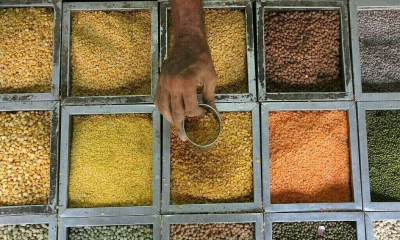
He emphasized the need to transition Pakistan’s traditional mandi-based agricultural trading system, which has existed for more than a century, into a modern digital marketplace. According to Zafar, introducing commodity futures trading can help bring transparency and efficiency to agricultural markets.
The goal is to create meaningful change for farmers who frequently suffer due to price volatility and market distortions, he said.
PMEX has already finalized agreements with dealers and sugar mills to facilitate sugar futures trading on the exchange. Meanwhile, the two other agricultural commodities maize and rice will soon be added to the trading platform as well.
PMEX operates as Pakistan’s only commodity futures exchange licensed and regulated by the Securities and Exchange Commission of Pakistan (SECP). Officials stressed that any individual, platform, or group offering commodity trading services outside the PMEX regulatory framework should be considered unregulated. Investors are advised to trade only through licensed PMEX brokers.
During the event, PMEX Director Zahid Latif highlighted the benefits of organized commodity trading, particularly in improving price discovery and risk management across the agricultural supply chain.
He explained that futures trading allows farmers, traders, and consumers to hedge against price fluctuations, creating a more stable market environment.
However, Latif also pointed out that Pakistan needs a more reliable accredited warehousing system. Such a system would enable traders, especially those operating in remote areas, to trust the quality and standards of stored agricultural produce without needing to physically inspect it.
Market experts believe that introducing agricultural commodity futures could modernize Pakistan’s commodity markets, improve transparency, and offer farmers better protection against unpredictable price cycles.









 Artificial Intelligence4 months ago
 Football3 months ago
 Latest News7 months ago
 Latest News7 months ago
 Football3 months ago
 Latest News7 months ago
 Latest News7 months ago
 Latest News7 months ago