Rising geopolitical tensions and increasing global oil prices are expected to play a significant role in shaping Pakistan’s monetary policy outlook as the State Bank of Pakistan prepares for its upcoming Monetary Policy Committee meeting. Analysts believe the central bank is likely to keep the policy rate unchanged at 10.5 percent due to heightened uncertainty surrounding inflation, external balances and global economic developments. With energy prices climbing and geopolitical tensions affecting global markets, policymakers are expected to adopt a cautious approach to interest rate decisions while monitoring the potential impact of these developments on Pakistan’s macroeconomic stability.
Geopolitical Developments Influencing Monetary Policy Outlook
Pakistan’s monetary policy outlook is increasingly being influenced by geopolitical developments and volatility in global energy markets. Analysts say that global tensions, particularly the ongoing confrontation involving the United States and Iran, have unsettled financial markets and pushed commodity prices higher. These developments have raised concerns for economies that depend heavily on imported fuel, including Pakistan. As geopolitical risks intensify, central banks across the world are facing challenges in balancing inflation control with economic growth. For Pakistan, the uncertainty created by global events has made policymakers more cautious in adjusting interest rates until there is greater clarity regarding the economic outlook.
Analysts Expect SBP to Maintain Policy Rate
Financial analysts and research institutions expect the State Bank of Pakistan to maintain the policy rate at 10.5 percent in the upcoming policy meeting. Research conducted by Arif Habib Limited suggests that the central bank may prefer to keep interest rates steady in the near term due to global uncertainty and rising energy costs. Maintaining the existing policy rate would signal a careful approach by policymakers who are assessing both domestic and international economic indicators before making further monetary policy adjustments. Such a stance would allow the central bank to observe inflation trends and external sector developments while maintaining financial stability.
Rising Oil Prices Add Pressure on the Economy
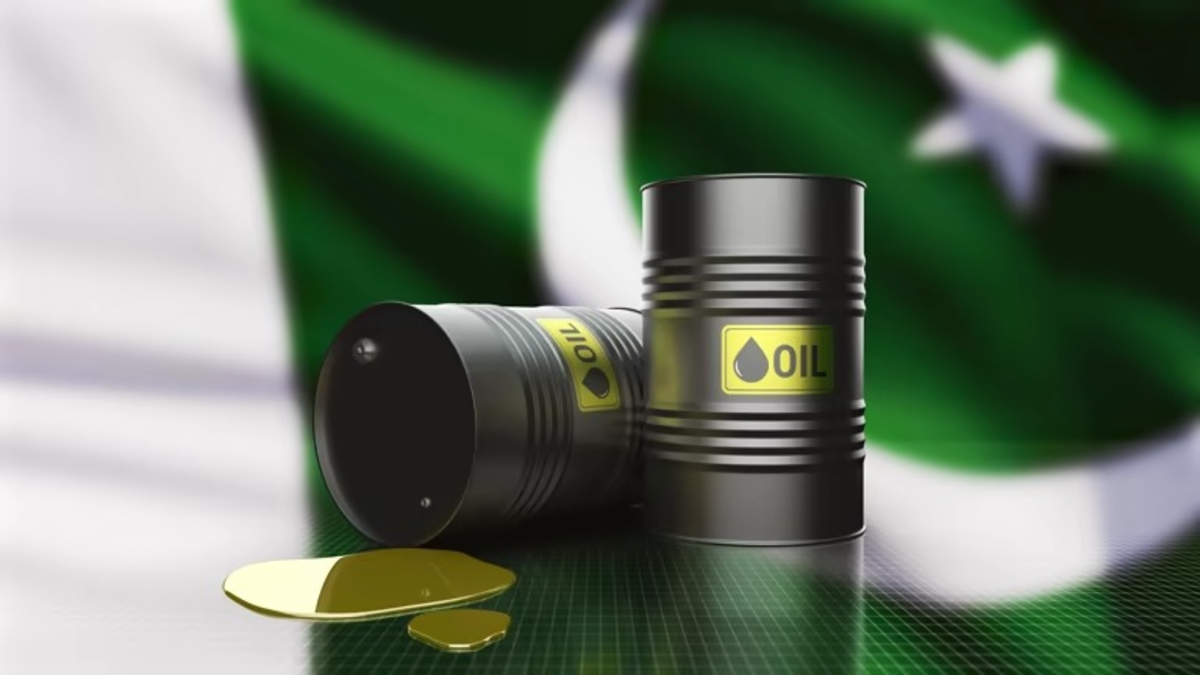
Higher oil prices remain a major concern for Pakistan’s economic outlook. As an import-dependent economy, Pakistan relies heavily on imported energy to support its industrial and transportation sectors. When global oil prices rise, the cost of energy imports increases significantly, placing pressure on the country’s trade balance and foreign exchange reserves. Analysts point out that geopolitical tensions have already contributed to a noticeable surge in global crude oil prices. According to market data, Brent crude has increased by approximately 18 percent, while West Texas Intermediate has risen by around 21 percent. Meanwhile, Arab Light crude prices have climbed by about 16 percent, reflecting the volatility currently affecting international energy markets.
Impact on Pakistan’s External Sector
The rise in oil prices could have substantial implications for Pakistan’s external sector. Higher energy costs increase the country’s import bill and widen the current account deficit if export growth does not offset the increase in imports. Economic research indicates that every $10 per barrel increase in global oil prices could widen Pakistan’s current account deficit by roughly $2 billion annually. Such developments can create additional pressure on the country’s balance of payments and foreign exchange reserves. Policymakers must therefore carefully assess global energy market developments when determining monetary policy actions.
Pressure on the Rupee and Inflation Outlook
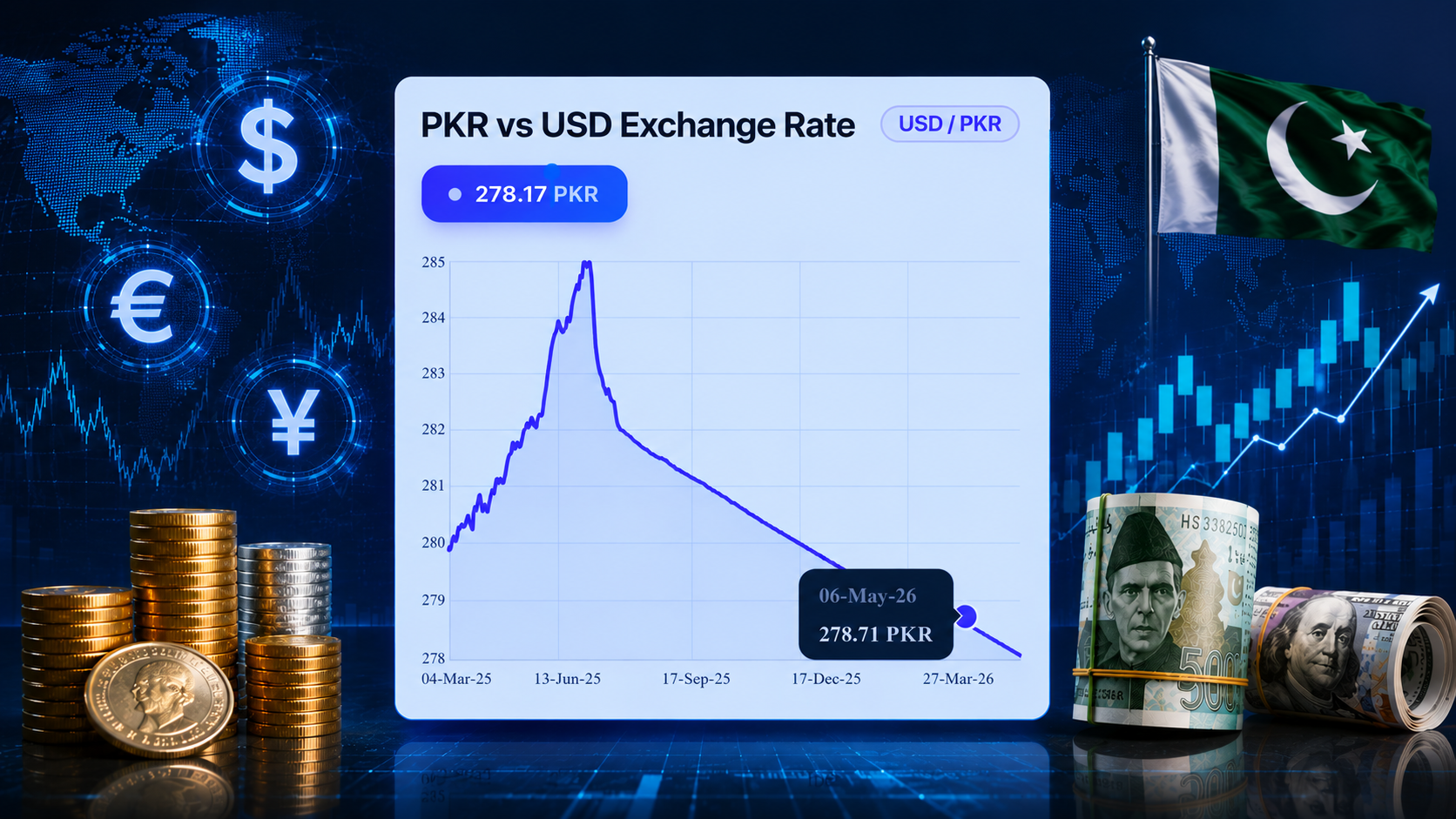
Higher oil prices not only affect Pakistan’s trade balance but can also put pressure on the national currency. As import costs rise, the demand for foreign currency increases, which can weaken the domestic currency and contribute to higher inflation. Rising fuel prices also have a ripple effect across the economy, increasing transportation costs, production expenses and consumer prices. These factors can complicate the central bank’s efforts to maintain price stability while supporting economic growth. Maintaining the current policy rate could therefore provide policymakers with additional time to evaluate whether global price shocks translate into sustained inflationary pressures within the domestic economy.
Monetary Policy Strategy Amid Global Volatility
Central banks often adopt cautious monetary policy strategies during periods of global uncertainty. For Pakistan, maintaining the policy rate at its current level could help stabilize financial markets while policymakers evaluate the evolving economic environment. Interest rates remain one of the most important tools available to central banks for controlling inflation and managing economic conditions. By holding the policy rate steady, the State Bank of Pakistan can continue monitoring key indicators such as inflation, currency stability, external balances and industrial growth before deciding whether further adjustments are necessary.
Outlook for Pakistan’s Monetary Policy
Looking ahead, the direction of Pakistan’s monetary policy will largely depend on global oil market developments, geopolitical risks and domestic inflation trends. If energy prices continue to rise or external pressures intensify, policymakers may maintain a cautious stance to safeguard macroeconomic stability. At the same time, improvements in inflation and external accounts could provide greater flexibility for future policy adjustments as economic conditions evolve.








 Artificial Intelligence4 months ago
 Football3 months ago
 Latest News7 months ago
 Latest News7 months ago
 Football3 months ago
 Latest News7 months ago
 Latest News7 months ago
 Latest News7 months ago