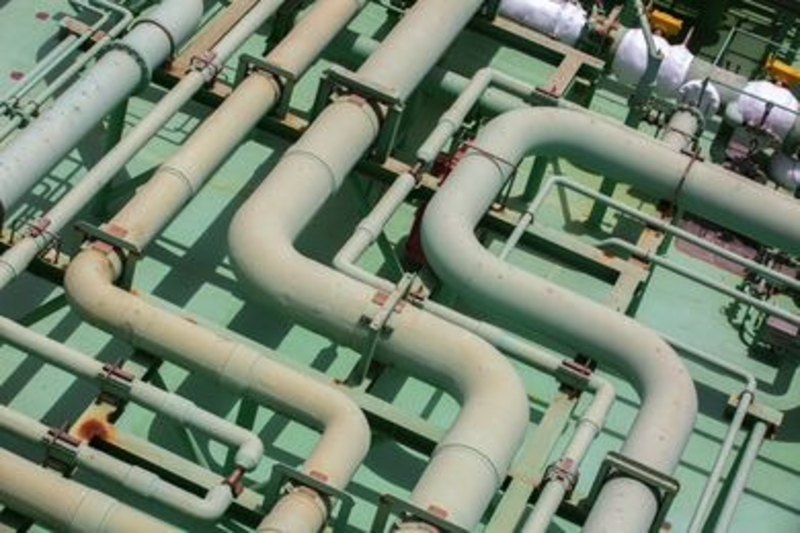
Pakistan has begun reducing natural gas supplies to certain industrial consumers as global energy disruptions linked to the Middle East conflict start affecting regional supply chains. Authorities say the move is a precautionary measure to manage available gas resources and maintain stability in the country’s broader energy network. Pakistan relies heavily on imported liquefied natural gas to meet industrial and power sector demand, making the economy sensitive to supply disruptions in global energy markets. The latest developments come as tensions in the Middle East have disrupted major energy export facilities and shipping routes, creating uncertainty in the international gas market. Energy planners in Pakistan say maintaining a balanced distribution of available gas has become essential while policymakers monitor evolving global conditions that could influence energy availability in the coming weeks.
The country’s largest gas distribution company has informed several industrial consumers that their gas allocations may be reduced as authorities attempt to preserve supplies for priority sectors. Officials say the adjustments primarily affect industries that consume large volumes of gas for manufacturing and export production. Energy authorities have emphasized that the decision is part of a broader supply management strategy rather than an indication of a nationwide shortage. However, the move highlights the pressure on Pakistan’s energy system, which depends significantly on imported LNG cargoes. Pakistan imports a substantial portion of its liquefied natural gas from Qatar, making the country particularly exposed to disruptions in Gulf energy infrastructure and maritime shipping routes that carry LNG shipments across the region.
Global energy markets have experienced heightened volatility following disruptions to key export facilities and trade routes in the Middle East. One of the largest LNG export hubs in the region has faced operational challenges amid escalating tensions, while maritime traffic through the Strait of Hormuz has also been affected. This strategic waterway is one of the world’s most important routes for energy shipments, carrying large volumes of crude oil and liquefied natural gas to global markets. Analysts say interruptions in this corridor can quickly influence global energy prices and supply flows. Countries that rely on imported fuel, such as Pakistan, may experience indirect impacts even if domestic energy reserves remain stable.
Industrial groups have expressed concern that reduced gas supplies could temporarily affect manufacturing output if restrictions remain in place for an extended period. Many export oriented industries depend on stable energy access to maintain production schedules and meet international orders. Energy analysts note that supply adjustments during periods of global disruption are common as governments attempt to prioritize essential sectors such as power generation and residential consumption. Authorities in Pakistan have stated that they are closely monitoring global energy developments and working with suppliers to ensure that LNG cargoes continue to arrive according to contractual agreements.
Government officials have also indicated that contingency planning is underway to manage potential supply fluctuations. Energy planners are assessing domestic gas production levels and exploring alternative arrangements to ensure stable fuel availability across key sectors of the economy. Economists say the situation illustrates how geopolitical tensions in major energy producing regions can quickly influence markets far beyond the immediate conflict zone. For Pakistan, the priority remains maintaining energy stability while minimizing disruptions to industrial production and economic activity.









 Artificial Intelligence4 months ago
 Football3 months ago
 Latest News7 months ago
 Latest News7 months ago
 Football3 months ago
 Latest News7 months ago
 Latest News7 months ago
 Latest News7 months ago