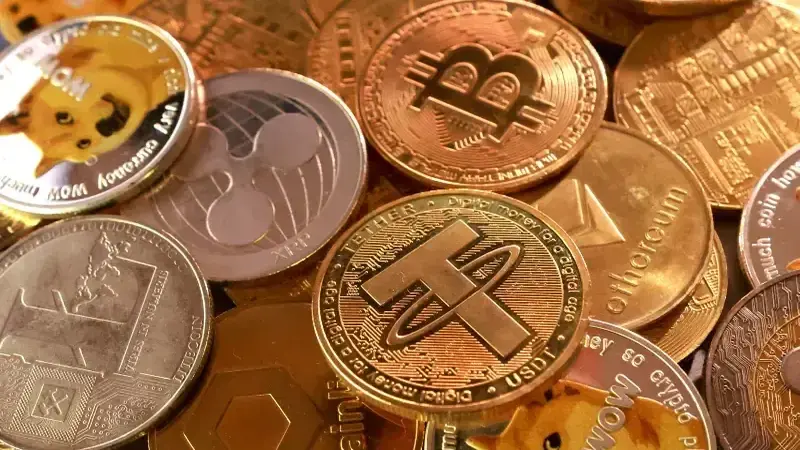
Pakistan’s economic policy debate is increasingly intersecting with the rapid growth of digital financial assets. Among these assets, USDT has become one of the most widely used stablecoins for traders and individuals seeking access to dollar linked liquidity. As the government prepares fiscal strategies and evaluates financial sector reforms, the expanding use of digital dollars is drawing attention from economists and policymakers. Stablecoins now represent an alternative channel through which capital moves across borders and financial markets. This development raises new questions about taxation, currency stability, and how digital assets could influence future budget planning.
Growing Digital Dollar Usage in Pakistan
Over the past few years the demand for dollar denominated assets has remained strong across many emerging economies. In Pakistan this demand has also appeared in digital markets where individuals often turn to stablecoins to preserve value during periods of currency volatility. USDT provides users with exposure to a dollar linked asset while allowing transactions to occur through global cryptocurrency exchanges. This accessibility has made stablecoins a convenient option for traders, freelancers and digital entrepreneurs who participate in international markets. As a result stablecoin trading volumes connected to the region have steadily increased.
Budget Policy and Capital Flow Concerns
The growing presence of digital dollar assets introduces new considerations for fiscal policy discussions. Governments traditionally monitor capital movement through banking systems and regulated financial channels. However stablecoins allow value to move digitally across borders with greater speed. This shift creates challenges for policymakers who aim to maintain currency stability while managing external financing pressures. Economists argue that understanding digital capital flows will become increasingly important when designing tax policies, financial regulations and broader economic strategies linked to the national budget framework.
Financial Inclusion and Digital Innovation
Despite the regulatory questions surrounding stablecoins, many analysts believe digital assets also offer opportunities for financial innovation. Stablecoins such as USDT can provide faster international transactions and lower payment costs for businesses engaged in global commerce. Freelancers and technology professionals often rely on digital payment channels to receive earnings from overseas clients. For individuals operating outside traditional banking networks, digital assets can offer access to global financial infrastructure. This practical use case has encouraged growing interest in blockchain based financial services across emerging markets.
Regulatory Considerations for Policymakers
As digital assets gain popularity policymakers are increasingly discussing how to integrate them into regulatory frameworks. Financial authorities around the world are examining issues such as consumer protection, anti money laundering compliance and stablecoin reserve transparency. For Pakistan the challenge lies in balancing innovation with financial stability. Regulators may consider developing guidelines that clarify how digital assets should be taxed, monitored and reported within the broader financial system. Clear policies could help reduce uncertainty while encouraging responsible participation in digital financial markets.
Impact on Currency Stability Discussions
Digital dollar assets naturally attract attention in countries where exchange rate stability remains a policy priority. When individuals move savings into dollar linked instruments, it can influence local currency demand and financial market expectations. Stablecoins therefore add another dimension to the long standing debate about dollarization in emerging economies. Economists emphasize that the overall scale of digital asset usage remains relatively small compared with traditional financial markets. However monitoring these trends is important because technological adoption often grows rapidly once digital financial tools become widely accessible.
Global Context of Stablecoin Growth
The increasing role of USDT in Pakistan’s financial conversation reflects a broader global trend. Stablecoins have become a central component of cryptocurrency markets and digital payments infrastructure. Major exchanges, fintech platforms and decentralized finance systems rely on stablecoins for settlement and liquidity management. As more institutions explore blockchain based finance the demand for digital dollar instruments may continue expanding. This global momentum suggests that digital asset regulation will likely become an important topic in economic policy discussions across many countries.
Outlook
Pakistan’s budget discussions are evolving alongside rapid technological change in global finance. Digital assets such as USDT are introducing new questions about capital movement, financial regulation and the future structure of payment systems. Policymakers will likely continue examining these developments as part of broader economic reforms.













 Artificial Intelligence4 months ago
 Football3 months ago
 Latest News7 months ago
 Latest News7 months ago
 Football3 months ago
 Latest News7 months ago
 Latest News7 months ago
 Latest News7 months ago