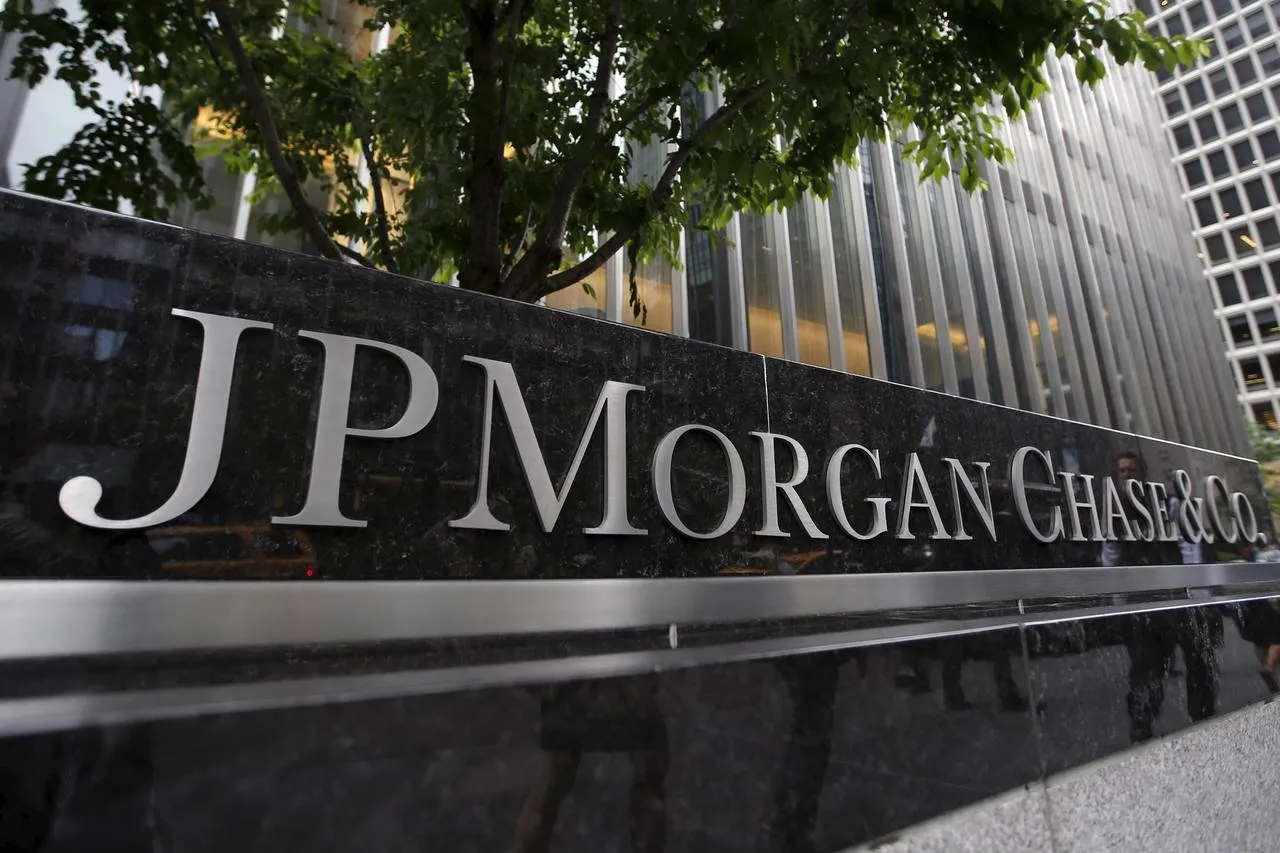
Global capital markets continue to function smoothly despite rising geopolitical tensions and increased volatility in financial markets, according to senior banking executives. Kevin Foley, global head of capital markets at JPMorgan, said investor demand for financing transactions remains strong even as global markets respond to geopolitical developments and shifting economic conditions. His comments reflect broader optimism among financial institutions that capital markets remain resilient and capable of supporting corporate financing activity during periods of uncertainty.
Financial markets have experienced increased volatility in recent weeks as geopolitical tensions in the Middle East have influenced commodity prices and investor sentiment. Despite these challenges, Foley noted that capital markets remain active, with companies continuing to access financing through bond offerings, equity issuance, and other financial instruments. Investors appear willing to allocate capital to corporate issuers that demonstrate stable financial performance and clear growth strategies, suggesting that underlying market demand remains intact even amid short-term uncertainty.
Market participants have also observed shifts in investor behavior as financial conditions evolve. In some cases, investors are adjusting portfolio allocations or rotating between sectors to manage risk more effectively. These adjustments reflect changing economic expectations rather than a withdrawal of capital from financial markets. Analysts say that such portfolio rotations are common during periods of geopolitical tension and market volatility, as investors seek opportunities while balancing risk exposure across different asset classes.
The continued activity in capital markets is also supported by strong liquidity conditions across global financial systems. Large institutional investors, including pension funds, asset managers and sovereign wealth funds, maintain significant pools of capital that must be deployed in financial markets. This steady supply of investment capital helps sustain demand for corporate debt and equity offerings even when broader economic conditions appear uncertain.
Corporate borrowers have also adapted to evolving market conditions by carefully timing financing transactions and structuring deals that appeal to investors. Many companies are prioritizing balance sheet stability and maintaining access to diversified funding sources to navigate potential economic headwinds. Financial advisers say that strategic planning and strong investor communication have become increasingly important as companies manage capital-raising efforts in a dynamic market environment.
In addition to geopolitical factors, investors are also closely monitoring inflation trends, interest rate expectations and global economic indicators. Central bank policies continue to influence borrowing costs and investment strategies across international markets. While uncertainty surrounding interest rates remains a key consideration for both issuers and investors, many financial institutions believe that markets remain well positioned to absorb fluctuations in economic conditions.
Overall, the resilience of global capital markets highlights the strength of modern financial infrastructure and the adaptability of investors during periods of uncertainty. As geopolitical tensions and economic developments continue to shape market conditions, financial institutions expect capital markets to remain an essential channel for companies seeking funding and investors searching for opportunities. Market participants will continue watching global economic trends closely to assess how evolving risks may influence financing activity in the months ahead.










 Artificial Intelligence4 months ago
 Football3 months ago
 Latest News7 months ago
 Latest News7 months ago
 Football3 months ago
 Latest News7 months ago
 Latest News7 months ago
 Latest News7 months ago