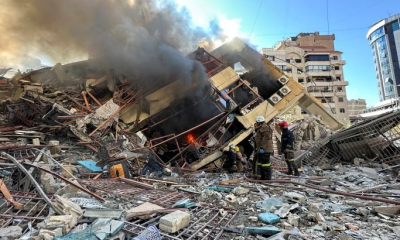
Regional conflicts are placing increasing pressure on global institutions and international alliances as geopolitical tensions rise across several parts of the world. In recent years, disputes involving territorial claims, security concerns, and political rivalries have intensified, challenging the ability of global organizations to maintain stability and coordinate diplomatic responses. In 2026, the growing frequency of regional crises is forcing international institutions and security alliances to reassess their roles in conflict management and global governance.
Global institutions were originally designed to promote cooperation among nations and provide platforms for resolving disputes through diplomacy rather than confrontation. Organizations responsible for maintaining international peace, economic coordination, and humanitarian support continue to play a central role in addressing conflicts. However, the complexity and speed of modern geopolitical disputes are testing the effectiveness of these institutions as governments pursue competing strategic interests.
Regional conflicts can have far-reaching consequences beyond the immediate areas where disputes occur. Escalating tensions often disrupt trade routes, energy supply chains, and financial markets, affecting the global economy. Military confrontations or sanctions between countries can also lead to broader geopolitical divisions, influencing diplomatic relationships among major powers. As a result, international institutions are increasingly required to address both the political and economic impacts of regional instability.
Security alliances are also adapting to the evolving geopolitical landscape. Many defense partnerships that were originally focused on collective military protection are now expanding their scope to include cybersecurity cooperation, intelligence sharing, and strategic economic coordination. Countries within these alliances are strengthening joint defense capabilities while also collaborating on broader security challenges such as cyber threats and technological competition.
Diplomatic negotiations remain one of the primary tools used by global institutions to manage regional conflicts. Multilateral forums allow governments to engage in dialogue, present their positions, and seek peaceful resolutions to disputes. While diplomatic progress can often be slow, these negotiations help reduce the risk of further escalation by maintaining open communication channels between conflicting parties.
Humanitarian considerations also play an important role in international responses to regional conflicts. When conflicts lead to displacement, economic disruption, or infrastructure damage, global institutions coordinate humanitarian assistance programs aimed at supporting affected populations. Relief efforts may include food distribution, medical aid, and refugee support programs designed to mitigate the human impact of ongoing crises.
Economic sanctions and diplomatic pressure are sometimes used by international alliances as tools to influence the behavior of governments involved in conflicts. Sanctions can target trade, financial transactions, and access to international markets in an effort to encourage negotiations or policy changes. While such measures can apply significant economic pressure, they may also have broader implications for global trade and economic stability.
Technological developments are adding new dimensions to regional conflicts. Cyber operations, information warfare, and the use of advanced military technologies are increasingly shaping the nature of modern disputes. International institutions are now exploring ways to establish guidelines and agreements governing the use of emerging technologies in conflict situations.
Despite these challenges, global institutions and alliances remain central to efforts aimed at preserving international stability. Cooperation among nations continues to be essential for addressing complex geopolitical issues and preventing conflicts from escalating further. International diplomacy, economic coordination, and humanitarian collaboration all play critical roles in maintaining the foundations of the global order.
As geopolitical tensions continue to evolve, global institutions and alliances will need to adapt to new forms of conflict and shifting power dynamics. Strengthening diplomatic frameworks, promoting dialogue, and improving mechanisms for conflict prevention will remain essential for maintaining international peace and cooperation in the years ahead.
















 Artificial Intelligence4 months ago
 Football3 months ago
 Latest News7 months ago
 Latest News7 months ago
 Football3 months ago
 Latest News7 months ago
 Latest News7 months ago
 Latest News7 months ago