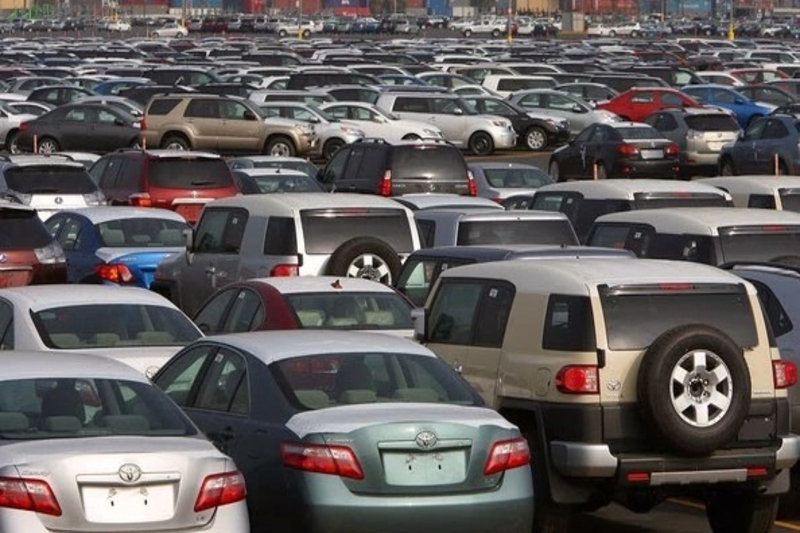
Pakistan’s automobile industry has urged the government to reduce the current sales tax rate on vehicles from 25 percent to 18 percent in the upcoming policy cycle, arguing that high taxation is placing significant pressure on the sector. Industry stakeholders believe that the current tax structure has made vehicles increasingly expensive for consumers, leading to declining sales and slowing production across the automotive market. Representatives from the auto sector have formally approached government authorities with their proposal, emphasizing that lowering the tax rate could help revive demand and stimulate economic activity in the industry. The request comes at a time when Pakistan’s automotive market is already facing multiple challenges including rising production costs, weaker consumer purchasing power, and economic uncertainty.
Industry Highlights Impact of High Sales Tax
Automobile manufacturers and industry representatives argue that the existing 25 percent sales tax has significantly increased the cost of vehicles in the domestic market. Higher taxation directly affects retail prices, making cars less affordable for consumers and discouraging potential buyers from entering the market.
Industry stakeholders say that the tax burden has contributed to declining sales volumes in recent months. When vehicle prices rise due to higher taxes, many consumers postpone purchases or shift toward the used car market instead of buying new vehicles. This trend reduces demand for locally manufactured vehicles and affects production levels across the sector.
Manufacturers have warned that continued pressure on sales could lead to further slowdowns in production activity. The automotive industry supports a wide network of suppliers, dealerships, and service providers, meaning that declining sales can have ripple effects across multiple sectors of the economy.
Industry representatives believe that reducing the sales tax rate would help stabilize vehicle prices and encourage consumers to return to the market.
Proposal to Reduce Sales Tax to 18 Percent
The auto sector has proposed lowering the sales tax rate to 18 percent, which industry experts consider a more sustainable level for the market. The proposed reduction aims to align the tax rate on vehicles with the standard sales tax applied to many other goods and services in Pakistan.
A lower tax rate could make vehicles more affordable and stimulate consumer demand. Industry stakeholders argue that increased sales volumes could offset some of the government’s revenue loss from the tax reduction by expanding the overall tax base.
Automobile manufacturers say that improved market conditions could also encourage new investment in local production facilities and supply chains. Higher production levels would support employment in the automotive sector and related industries such as parts manufacturing and logistics.
Industry leaders maintain that reducing the sales tax would not only benefit manufacturers but also help consumers who have been struggling with rising vehicle prices and broader inflationary pressures.
Policy Discussions Ahead of Next Fiscal Cycle
Sources indicate that the proposal submitted by the auto industry is currently under consideration as part of discussions for the upcoming policy cycle. Government authorities are reviewing various fiscal measures that could influence industrial activity and economic growth.
Changes in sales tax rates typically require approval through official government notifications issued by the Federal Board of Revenue. If the government decides to reduce the tax rate, the adjustment would likely be implemented through a regulatory order outlining the revised taxation structure for vehicles.
However, policymakers must balance industry demands with fiscal considerations. Sales tax revenues represent an important source of government income, and any reduction in tax rates may affect revenue collection unless it is offset by increased economic activity or alternative fiscal measures.
Officials have not yet issued any formal statement confirming whether the proposed tax reduction will be included in upcoming fiscal policies.
Economic Impact on Consumers and Industry
Reducing the sales tax rate on vehicles could have several economic implications for both consumers and the automotive industry. Lower taxes would reduce the final retail price of vehicles, potentially making car ownership more accessible for middle income households.
Improved affordability could stimulate demand and lead to higher sales volumes across the market. Increased production activity would benefit local manufacturers and strengthen Pakistan’s automotive supply chain.
At the same time, stronger vehicle sales could generate additional economic activity through financing services, insurance, and after sales maintenance. These supporting industries play an important role in the broader economic ecosystem linked to automobile manufacturing.
Industry representatives argue that a balanced tax structure is essential for maintaining the long term health of the automotive sector and ensuring sustainable growth.
Outlook
The auto sector’s request for a reduction in sales tax highlights growing concerns about high taxation and its impact on vehicle demand. As policymakers review fiscal options for the next policy cycle, the government’s decision on vehicle sales tax could play an important role in shaping the future direction of Pakistan’s automotive market.







 Artificial Intelligence4 months ago
 Football3 months ago
 Latest News7 months ago
 Latest News7 months ago
 Football3 months ago
 Latest News7 months ago
 Latest News7 months ago
 Latest News7 months ago