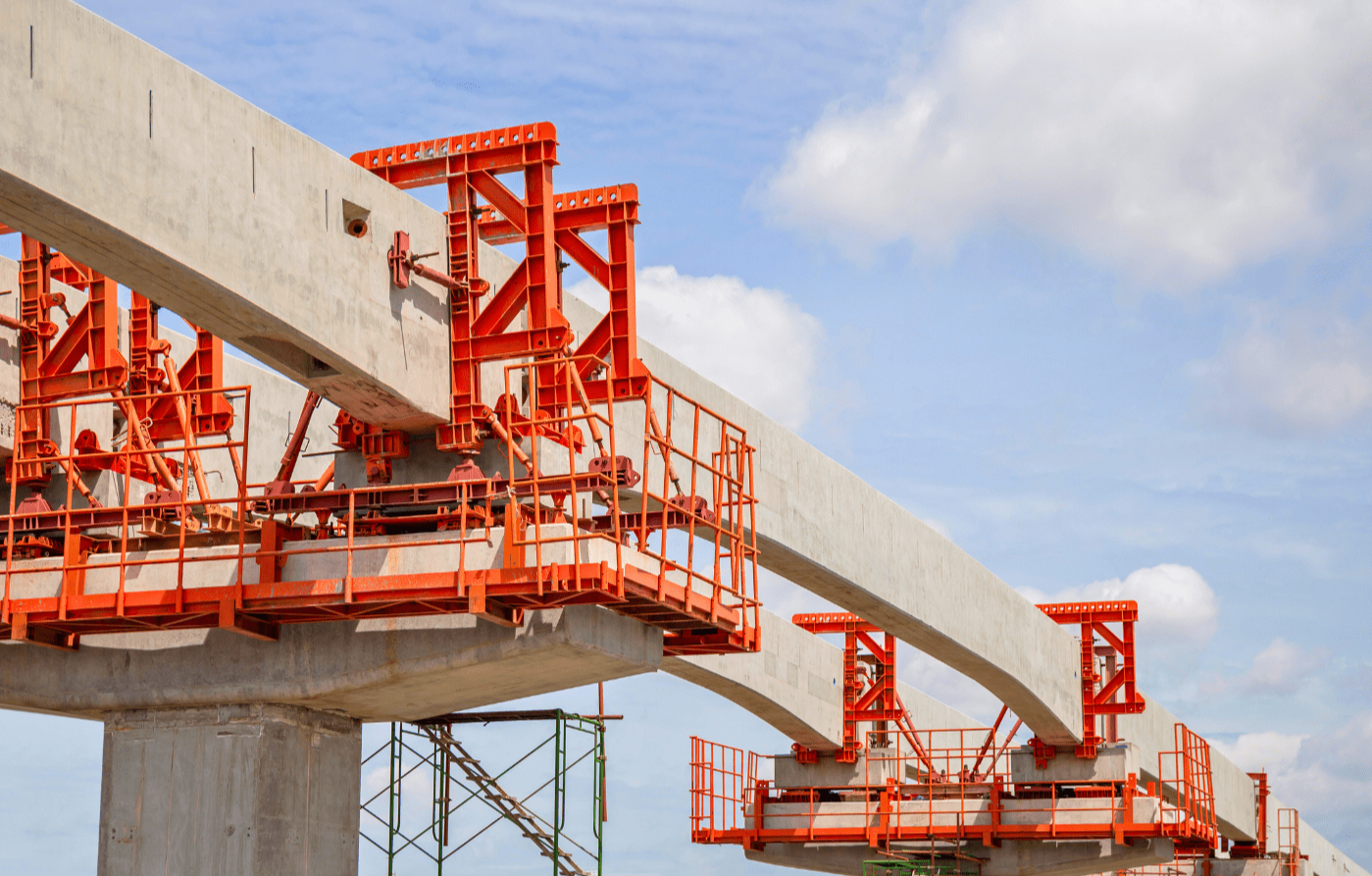
Large-scale public infrastructure projects are increasingly becoming a central tool for governments seeking to stimulate economic growth and reshape regional development strategies. From transportation networks and energy corridors to digital infrastructure and logistics hubs, governments around the world are investing heavily in infrastructure to support long-term economic expansion. In 2026, infrastructure development is not only viewed as a means of improving connectivity but also as a strategic policy instrument for strengthening regional economies and addressing development gaps between urban and rural areas.
Infrastructure investment plays a crucial role in enabling economic activity by improving the movement of goods, services, and people. Modern highways, rail networks, ports, and airports allow businesses to operate more efficiently and access wider markets. In many countries, governments are prioritizing transportation projects that link industrial zones, manufacturing centers, and agricultural regions to domestic and international trade routes. These projects are designed to reduce logistics costs, improve supply chain reliability, and encourage private sector investment in emerging regional markets.
Energy infrastructure is also a key component of regional development strategies. Reliable access to electricity and energy resources is essential for industrial production, technology sectors, and urban growth. Governments are investing in power generation facilities, electricity transmission systems, and renewable energy projects to support economic expansion and reduce energy shortages. In addition to improving industrial productivity, expanded energy infrastructure also supports household access to electricity and contributes to broader social development objectives.
Digital infrastructure has emerged as another important area of public investment. High-speed internet networks, data centers, and telecommunications systems are becoming essential foundations for modern economies. Governments are increasingly focusing on expanding digital connectivity to underserved regions, enabling businesses and communities to participate in the digital economy. Improved digital infrastructure supports sectors such as e-commerce, financial technology, education, and remote work, helping regional economies diversify beyond traditional industries.
Public infrastructure projects are also reshaping urban and regional planning strategies. Many governments are integrating infrastructure development into broader economic corridors that combine transportation, industrial zones, housing developments, and commercial centers. These integrated development strategies aim to create clusters of economic activity that can generate employment opportunities and attract long-term investment. Special economic zones and logistics hubs are often established alongside new infrastructure projects to encourage industrial expansion and international trade.
Financing large infrastructure projects remains a major challenge for many governments. Public-private partnerships are increasingly being used as a financing model that allows governments to collaborate with private investors and development institutions. These partnerships can help mobilize additional capital while distributing project risks among multiple stakeholders. International financial institutions and development banks are also playing an important role in supporting infrastructure projects in developing regions.
Despite the potential economic benefits, infrastructure projects must also address environmental and social considerations. Large-scale construction projects can affect ecosystems, local communities, and land use patterns. Governments are increasingly incorporating environmental impact assessments and sustainability planning into infrastructure development processes. Sustainable infrastructure initiatives focus on minimizing environmental damage while maximizing long-term economic and social benefits.
As global economic competition intensifies, infrastructure development is expected to remain a central component of national and regional economic strategies. Countries that successfully invest in efficient transportation systems, reliable energy networks, and advanced digital infrastructure will be better positioned to support industrial growth and attract investment. In the coming years, public infrastructure projects are likely to continue shaping the economic geography of regions and influencing the future direction of development policies worldwide.







 Artificial Intelligence4 months ago
 Football3 months ago
 Latest News7 months ago
 Latest News7 months ago
 Football3 months ago
 Latest News7 months ago
 Latest News7 months ago
 Latest News7 months ago